NTU's Nontoxic Photoinitiators: The EU Ban's 3D Printing Savior
The world of 3D printing has always been a bit of a paradox. On one hand, it is a technology of immense creative freedom, allowing us to print everything from intricate jewelry to complex aerospace components. On the other hand, it is a technology that has historically carried a heavy environmental and health baggage, largely due to the chemicals required to make plastics hard and stable. For years, the industry has relied on a pair of chemical workhorses: TPO (Thioxanthone) and BAPO (Bisphenol A Diphenylphosphinate). These photoinitiators are the unsung heroes of Stereolithography (SLA) and Digital Light Processing (DLP) printing, triggering the chemical reactions that turn liquid resin into solid plastic under UV light. But now, the tide is turning. The European Union, a global leader in environmental regulation, is moving to ban these very ingredients in resins. This regulatory shift has sent ripples through the additive manufacturing community, raising urgent questions about sustainability, cost, and the future of high-performance 3D printing. Enter the researchers at Nanyang Technological University (NTU) in Singapore, who have developed a breakthrough that might just save the day: nontoxic photoinitiators that could replace TPO and BAPO entirely [1].
This is not just another incremental improvement in material science; it is a potential paradigm shift. As we navigate the complexities of 2026, where sustainability is no longer a buzzword but a business requirement, the story of NTU’s innovation is a critical chapter in the history of 3D printing. It represents the industry’s maturation, moving from a "print at all costs" mentality to one that prioritizes health, safety, and environmental stewardship. Let’s dive deep into what this means, how it works, and why it matters for the future of additive manufacturing.
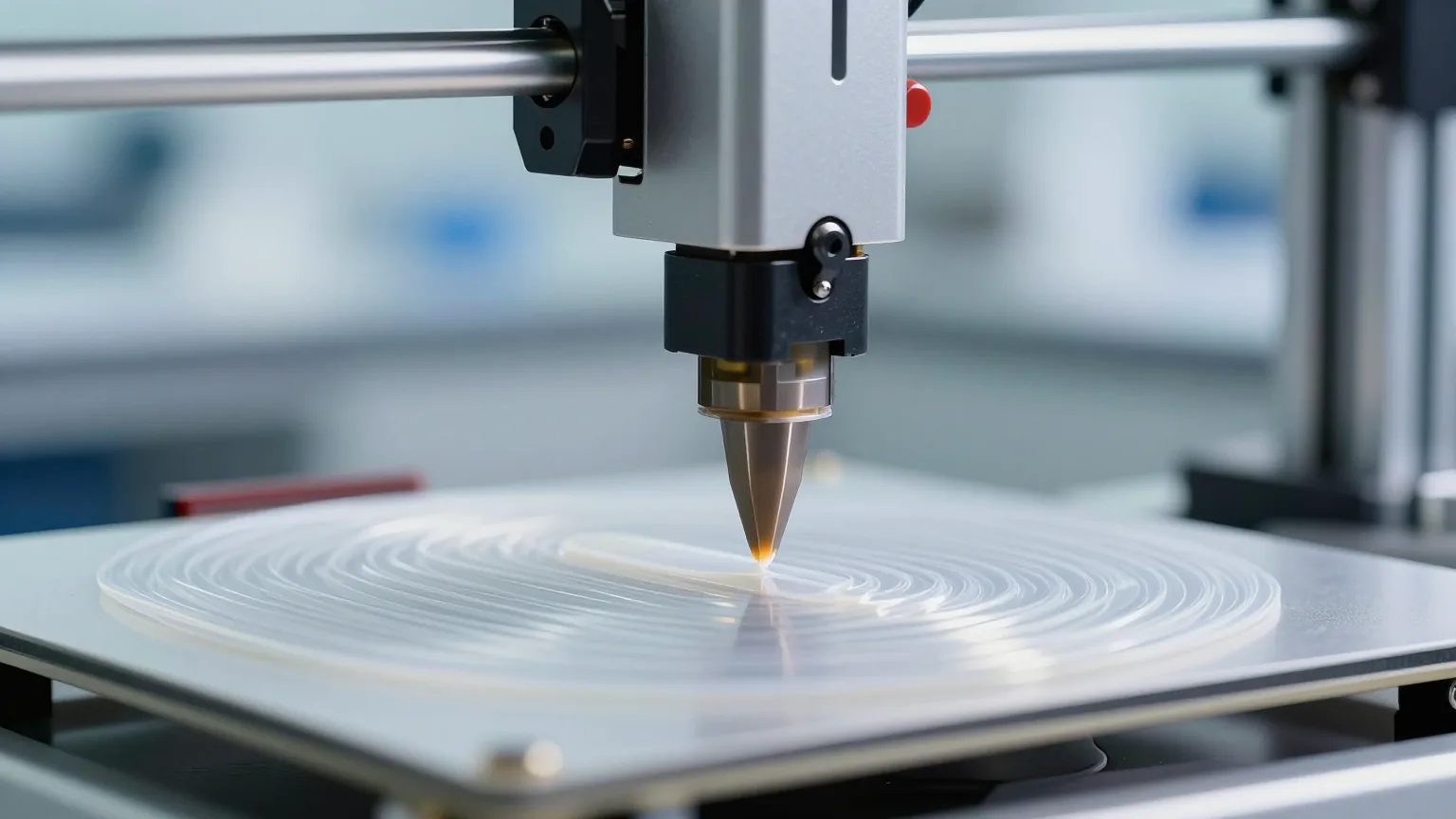
The Chemical Backbone of 3D Printing
To understand why NTU’s work is so significant, we first need to look under the hood of a standard 3D printing resin. Most photopolymer resins used in SLA and DLP machines consist of three main components: a monomer (the building blocks), a crosslinker (which joins the blocks together), and a photoinitiator. The photoinitiator is the spark plug of the engine. When exposed to UV light, it breaks down into reactive radicals that kickstart the polymerization process, causing the liquid resin to cure and harden layer by layer.
For decades, TPO and BAPO have been the gold standard for this role. They are efficient, produce high-quality parts with excellent surface finishes, and are relatively inexpensive. However, they come with a catch. TPO is a thioxanthone derivative, and BAPO contains bisphenol A (BPA), a compound that has been widely scrutinized for its potential endocrine-disrupting effects. In the context of 3D printing, where operators often handle uncured resin with their bare hands or in poorly ventilated small workshops, the exposure risk is real. Furthermore, the environmental impact of these chemicals in waste streams and discarded prototypes has become a focal point for regulatory bodies worldwide [1].
The EU’s Regulatory Hammer
The European Union has long been the vanguard of chemical regulation, most famously through REACH (Registration, Evaluation, Authorisation and Restriction of Chemicals). Recently, the EU has intensified its scrutiny of resins and additives used in consumer and industrial 3D printing. The move to ban TPO and BAPO is not an isolated incident but part of a broader trend toward "Green Chemistry" in manufacturing. The EU’s stance is clear: if a chemical poses a risk to human health or the environment, it must be replaced or restricted, regardless of its utility in industrial processes [1].
This regulatory pressure is a double-edged sword for the 3D printing industry. On one hand, it forces manufacturers to innovate and adopt safer materials, which can enhance the industry’s public image and appeal to corporate clients with strict ESG (Environmental, Social, and Governance) goals. On the other hand, it creates immediate logistical and financial challenges. Companies that have built their product lines around TPO- and BAPO-based resins now face the daunting task of reformulating their products without compromising performance. For small and medium-sized enterprises (SMEs) in the 3D printing space, this transition can be particularly burdensome, as they may lack the R&D resources to develop new chemistries in-house. This is where NTU’s solution becomes a lifeline.
NTU Singapore: A Hub for Additive Innovation
Nanyang Technological University (NTU) in Singapore has established itself as a global leader in 3D printing research. Located in a nation that is a major hub for advanced manufacturing and technology, NTU has a strong track record of translating academic research into practical industrial applications. Their work in 3D printing spans a wide range of disciplines, from biomedical applications to aerospace engineering. The university’s researchers have long been focused on the challenges of material science in additive manufacturing, recognizing that the limitations of 3D printing often lie not in the machines, but in the materials [1].
The development of nontoxic photoinitiators is a testament to NTU’s commitment to solving real-world problems. The research team understood that simply finding a "green" alternative was not enough; the new photoinitiators had to perform just as well as TPO and BAPO in terms of cure speed, depth of cure, and final part properties. Achieving this balance is notoriously difficult in polymer chemistry. Many early attempts at "eco-friendly" photoinitiators resulted in slower cure times, poorer surface finishes, or reduced mechanical strength of the printed parts. NTU’s breakthrough lies in their ability to design molecules that are both environmentally benign and chemically efficient [1].
The Science Behind the Savior
While the exact molecular structures of NTU’s new photoinitiators are likely proprietary, the general approach involves designing compounds that can be activated by UV light without releasing harmful byproducts. Traditional TPO and BAPO work by breaking down into reactive species that initiate polymerization, but this process can leave residual chemical traces or produce volatile organic compounds (VOCs) during the curing process. NTU’s nontoxic alternatives are designed to minimize or eliminate these byproducts. They may utilize different chemical mechanisms, such as Type I or Type II photoinitiation, that are optimized for safety and efficiency [1].
One of the key challenges in developing new photoinitiators is ensuring that they are compatible with a wide range of monomers and crosslinkers. Resin formulations are complex mixtures, and changing one component can have cascading effects on the entire system. For example, a new photoinitiator might react differently with a specific monomer, leading to uneven curing or brittleness in the final part. NTU’s researchers have likely conducted extensive testing to ensure that their photoinitiators are versatile and can be integrated into existing resin formulations with minimal adjustment. This compatibility is crucial for the widespread adoption of the new technology, as it allows existing resin manufacturers to transition to the new chemicals without overhauling their entire production processes [1].
Performance vs. Safety: The Great Trade-Off
In the world of 3D printing, performance is king. Users expect their prints to be strong, dimensionally accurate, and aesthetically pleasing. Any change in material chemistry must be rigorously tested to ensure that it does not compromise these key attributes. The concern with replacing TPO and BAPO is that the new photoinitiators might not offer the same level of performance. For instance, they might require higher UV light intensities to achieve the same cure speed, which could increase energy consumption and heat generation in the printer. Alternatively, they might result in a shallower depth of cure, leading to poor interlayer adhesion and weak prints [1].
NTU’s research addresses these concerns by demonstrating that their nontoxic photoinitiators can match or even exceed the performance of traditional chemicals in certain metrics. While specific data on cure speed and part strength is not publicly available in the initial news reports, the fact that NTU is highlighting this work suggests that they have achieved a satisfactory balance between safety and performance. This is a critical step, as it shows that safety and performance are not mutually exclusive. The industry can have both, provided that the right materials are developed [1].
Impact on the 3D Printing Supply Chain
The adoption of NTU’s nontoxic photoinitiators will have a ripple effect throughout the 3D printing supply chain. Resin manufacturers will need to reformulate their products, which will involve significant R&D investment and testing. This process will likely take time, as resin formulations are complex and require extensive validation to ensure consistency and reliability. However, the long-term benefits are substantial. Manufacturers that adopt the new photoinitiators early will gain a competitive edge, as they can market their resins as "eco-friendly" and "compliant with EU regulations." This is particularly important for companies that serve corporate clients in Europe, who are increasingly demanding sustainable materials [1].
Printer manufacturers will also need to adapt. While the new photoinitiators are designed to be compatible with existing SLA and DLP printers, there may be minor adjustments needed in the UV light intensity or exposure time settings. Printer manufacturers will need to update their firmware and user manuals to reflect these changes. Additionally, they may need to offer new resin cartridges that are specifically formulated with the nontoxic photoinitiators. This will require coordination between resin suppliers and printer manufacturers, which can be a complex process. However, the end result will be a more sustainable and safer 3D printing ecosystem [1].
Economic Implications for Manufacturers and Users
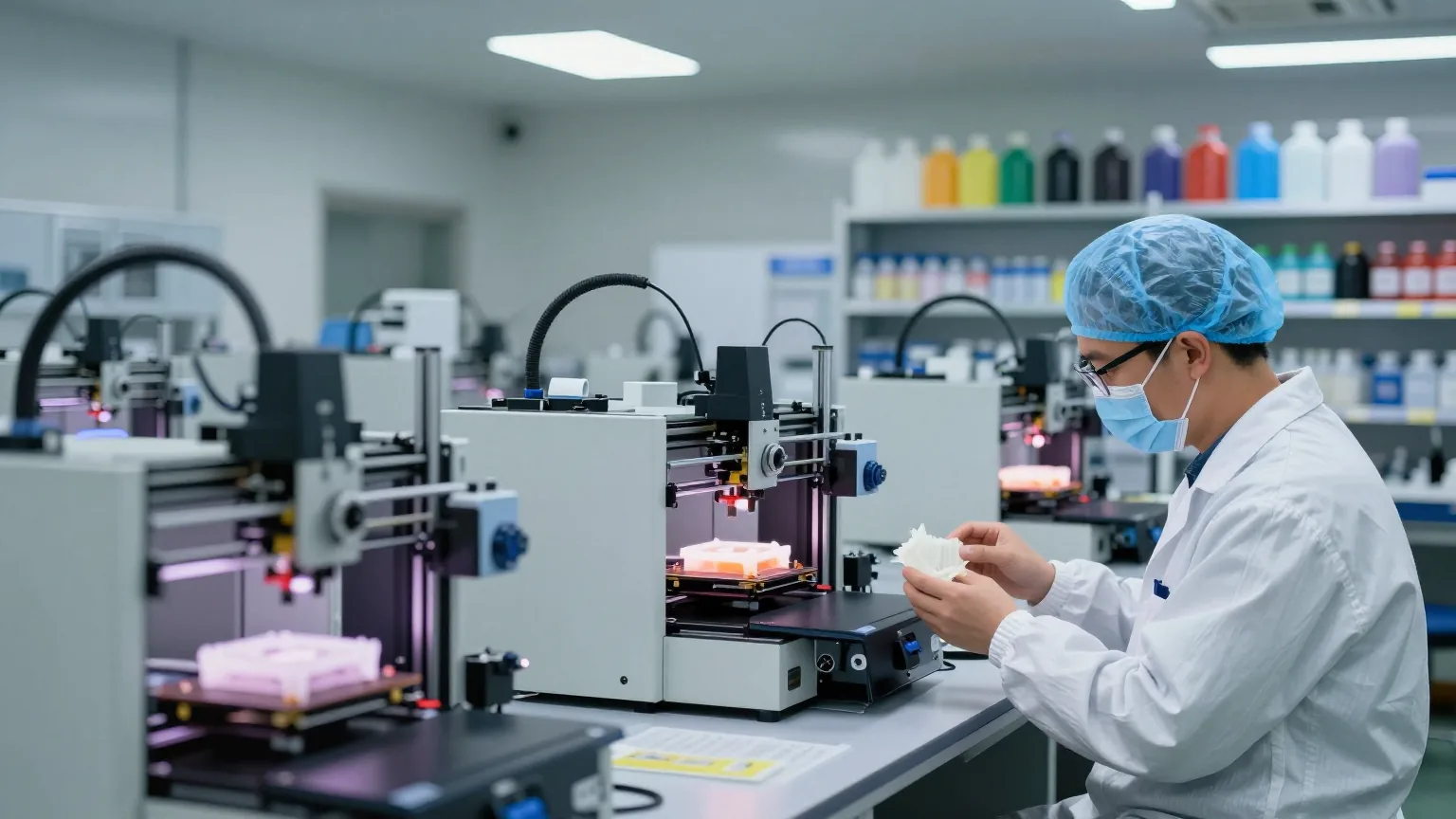
The transition to nontoxic photoinitiators will have economic implications for both manufacturers and users. In the short term, the cost of resins may increase as resin manufacturers invest in R&D and testing. The new photoinitiators may also be more expensive to produce than TPO and BAPO, which could be passed on to consumers. However, the long-term costs may be lower. For example, companies that use 3D printing in their production processes may benefit from reduced waste and lower environmental compliance costs. Additionally, the use of safer chemicals can reduce the need for expensive personal protective equipment (PPE) and ventilation systems in 3D printing facilities, leading to cost savings [1].
For users, the economic impact may be minimal. The price of a single resin cartridge is unlikely to change dramatically, and the benefits of using safer resins are well worth the small increase in cost. Moreover, the adoption of nontoxic photoinitiators may open up new markets for 3D printing. For example, the technology could become more attractive to industries that have strict health and safety regulations, such as healthcare and food processing. This could lead to increased demand for 3D printing services and products, which could ultimately drive down costs through economies of scale [1].
Broader Trends in 2026: Sustainability and AI
NTU’s work on nontoxic photoinitiators is part of a broader trend in 3D printing in 2026. The industry is increasingly focused on sustainability, with manufacturers and researchers exploring ways to reduce waste, lower energy consumption, and use more sustainable materials. This trend is driven by a growing awareness of the environmental impact of 3D printing and a desire to make the technology more appealing to a wider audience. In addition to nontoxic photoinitiators, other innovations in 2026 include AI-assisted design, which can optimize part geometry for reduced material usage, and low-waste multicolor printing, which minimizes the amount of unused resin [2].
AI is also playing a significant role in the 3D printing industry. AI algorithms can be used to predict print failures, optimize print settings, and even design new materials. This is a game-changer for the industry, as it can reduce the time and cost associated with trial-and-error printing. In the context of NTU’s nontoxic photoinitiators, AI could be used to optimize the resin formulation and print settings to ensure that the new chemicals perform at their best. This synergy between AI and material science is a key driver of innovation in 3D printing [2].
Cultural and Historical Context: The Rise of Green Manufacturing
The move toward nontoxic photoinitiators is not just a technical development; it is a cultural shift. For decades, the 3D printing industry has been viewed as a "dirty" technology, associated with toxic fumes, messy resins, and environmental waste. However, this perception is changing. The industry is increasingly being seen as a tool for sustainable manufacturing, with the potential to reduce waste, lower energy consumption, and create more efficient products. This shift is driven by a growing awareness of the environmental impact of traditional manufacturing processes and a desire to create a more sustainable future [2].
Historically, the 3D printing industry has been slow to adopt sustainable practices. This was largely due to the lack of viable alternatives to traditional materials and the high cost of developing new ones. However, the situation is changing. With the development of nontoxic photoinitiators and other sustainable materials, the industry is finally catching up with the rest of the manufacturing world. This is a positive development, as it will help to improve the public perception of 3D printing and make it more attractive to a wider range of users [2].
Modern Perspectives: What It Means for the Future
From a modern perspective, NTU’s nontoxic photoinitiators represent a significant step forward for the 3D printing industry. They address one of the key challenges facing the technology: the environmental and health impact of the materials used. By providing a safer and more sustainable alternative to TPO and BAPO, NTU has made it possible for the industry to grow and expand into new markets. This is particularly important as the 3D printing industry continues to mature and become more integrated into mainstream manufacturing [1].
The adoption of nontoxic photoinitiators will also have a positive impact on the health and safety of 3D printing operators. As mentioned earlier, many operators handle uncured resin with their bare hands or in poorly ventilated small workshops. The use of safer chemicals will reduce the risk of exposure to harmful substances, which is a major concern for many users. This will make 3D printing more accessible and appealing to a wider range of users, including those in home and office environments [1].
Challenges and Considerations
Despite the promise of NTU’s nontoxic photoinitiators, there are still challenges to overcome. One of the main challenges is the cost of production. As mentioned earlier, the new photoinitiators may be more expensive to produce than TPO and BAPO, which could lead to higher resin prices. This could be a barrier to adoption for some users, particularly those in price-sensitive markets. However, as the technology matures and production scales up, the cost is likely to decrease [1].
Another challenge is the need for standardization. The 3D printing industry is highly fragmented, with many different resin formulations and printer models. This makes it difficult to develop a one-size-fits-all solution. NTU’s nontoxic photoinitiators may not be compatible with all resin formulations, which could limit their adoption. To address this challenge, the industry needs to work together to develop standards for nontoxic photoinitiators and ensure that they are compatible with a wide range of printers and resins [1].
Conclusion: A New Era for 3D Printing
NTU’s development of nontoxic photoinitiators is a landmark achievement for the 3D printing industry. It addresses one of the key challenges facing the technology: the environmental and health impact of the materials used. By providing a safer and more sustainable alternative to TPO and BAPO, NTU has made it possible for the industry to grow and expand into new markets. This is a positive development, as it will help to improve the public perception of 3D printing and make it more attractive to a wider range of users [1].
As we look to the future, it is clear that sustainability will be a key driver of innovation in 3D printing. The industry must continue to develop new materials and processes that are safer, more efficient, and more environmentally friendly. NTU’s work is a great start, but there is still much more to be done. By working together, researchers, manufacturers, and users can create a 3D printing industry that is not only innovative but also sustainable [1].
Call to Action: If you are involved in the 3D printing industry, now is the time to start thinking about how you can adopt more sustainable practices. Consider using resins that are formulated with nontoxic photoinitiators, and look for ways to reduce waste and lower your energy consumption. By taking action today, you can help to create a more sustainable future for 3D printing. The future is here, and it is green. Let’s make the most of it.