EU Bans TPO? NTU’s Nontoxic Photoinitiators Are 3D Printing’s New Hope
The Great Resin Purge: Why Your Favorite 3D Printing Chemicals Are About to Become History
If you have been deep in the trenches of FDM or resin 3D printing, you know the smell. That distinct, slightly chemical scent that lingers in the air after a long print job. For years, we accepted it as the price of admission for high-resolution, detailed, and durable parts. But the tide is turning, and it is not just a shift in consumer preference—it is a regulatory hammer coming down from Brussels. The European Union is moving to ban two of the most common photoinitiators used in 3D printing resins: TPO (2,4,6-Trimethylbenzoyldiphenylphosphine oxide) and BAPO (Bis(2,4,6-trimethylbenzoyl)phenylphosphine oxide). [1]
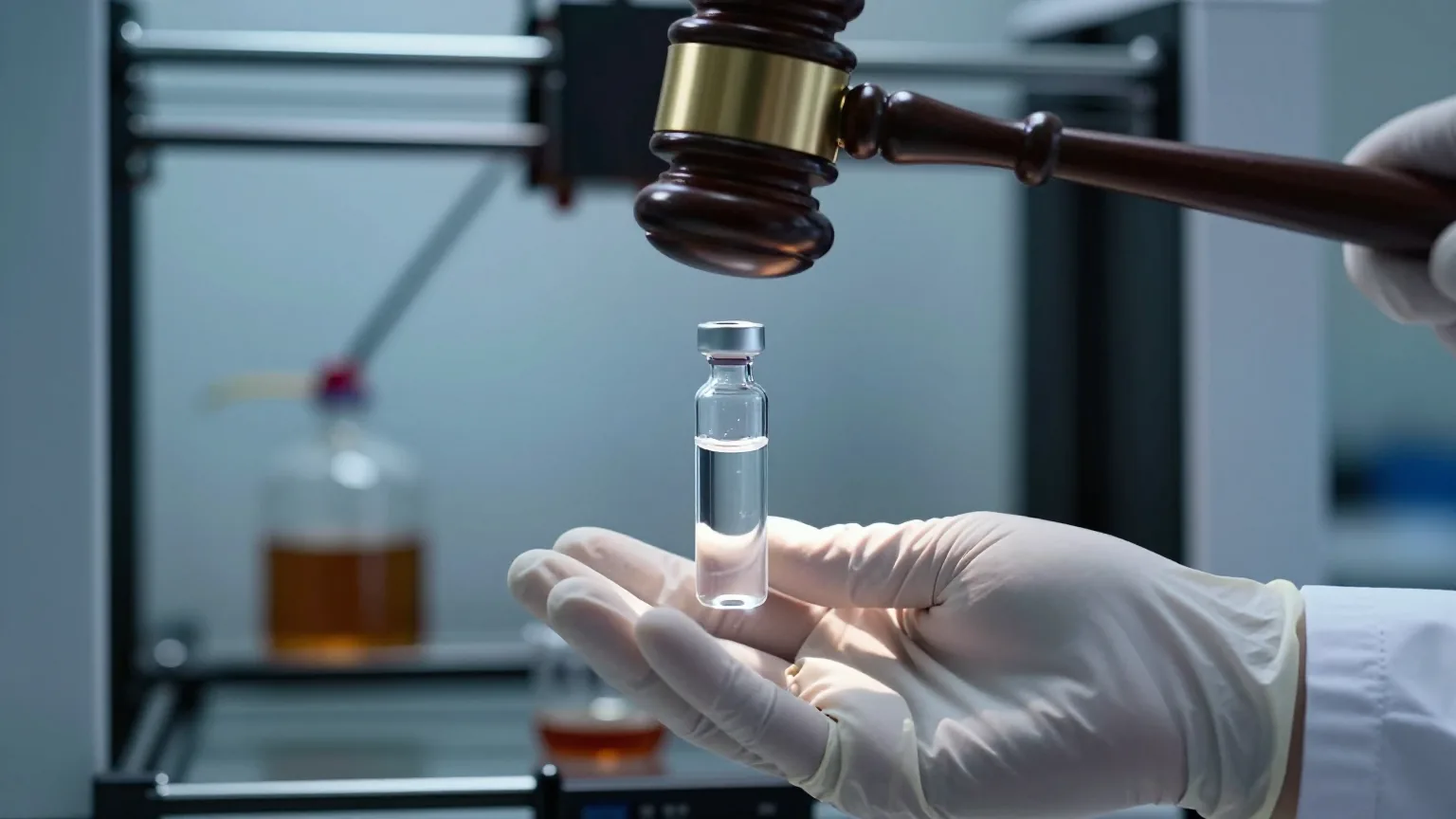
For the average maker, this might sound like niche chemical trivia. But for the global 3D printing industry, it is an existential threat to the status quo. If the EU bans these ingredients, and the rest of the world follows suit—as it often does—the entire supply chain for standard resin printing will need to be rebuilt. The good news? We are not facing a dead end. We are facing a pivot. And at the forefront of this pivot is a team of researchers from Nanyang Technological University (NTU) in Singapore, who have developed nontoxic photoinitiators that could replace the banned chemicals without sacrificing performance. [1]
This is not just a story about chemistry; it is a story about how the 3D printing industry is maturing from a hobbyist’s playground into a regulated, responsible industrial sector. It is a story about health, environmental stewardship, and the relentless drive for innovation. Let’s dive into why this ban matters, what NTU’s breakthrough means for your printer, and where the industry is headed next.
The Hidden Danger in Your Resin Vat
Before we talk about the solution, we need to understand the problem. Photoinitiators are the catalysts that make 3D printing possible. In resin printing, a liquid polymer is exposed to UV light, and the photoinitiator absorbs that light, triggering a chemical reaction that hardens the resin layer by layer. Without them, the resin would just stay liquid forever. TPO and BAPO have been the workhorses of this process for decades because they are effective, stable, and relatively inexpensive.
However, "effective" does not mean "safe." Recent studies have raised significant concerns about the health risks associated with TPO and BAPO. These chemicals are known endocrine disruptors, meaning they can interfere with the body’s hormonal systems. Prolonged exposure, even through skin contact or inhalation of vapors, has been linked to potential reproductive and developmental issues. [1] For years, many printers operated in unventilated spaces, and many users handled uncured resin with bare hands, assuming the risk was minimal. The EU’s decision to ban these ingredients is a direct response to mounting evidence that the risks were far higher than previously thought.
This is not the first time the 3D printing industry has faced a health reckoning. Remember the early days of FDM printing, when we were worried about the particulate matter and fumes released by PLA and ABS? The industry adapted. We built enclosures, added HEPA filters, and developed safer filaments. Now, the same adaptation is happening in the resin world, but the stakes are higher because the chemicals themselves are being targeted for elimination, not just their byproducts.
Why the EU is Leading the Charge
It is no surprise that the European Union is at the forefront of this regulatory shift. The EU has long been a global leader in environmental and health regulations, from the RoHS directive to the Green Deal. Their approach is precautionary: if a chemical poses a potential risk, it is better to restrict or ban it now than to deal with the consequences later. [1] This approach has a ripple effect. When the EU bans a substance, it creates a de facto global standard. Manufacturers who want to sell in the EU, which is a massive market, must reformulate their products. Since most resin manufacturers operate on a global scale, they often choose to switch to safer alternatives worldwide rather than maintaining two separate supply chains.
Historically, we have seen this pattern play out in other industries. When the EU banned certain plastics in packaging, the entire global packaging industry shifted. When they restricted lead in gasoline, the rest of the world eventually followed. In 3D printing, the ban on TPO and BAPO is likely to trigger a similar global shift. It is a push for "green chemistry," where the goal is not just to make things work, but to make them work without harming people or the planet.
Enter NTU: The Science Behind the Solution
So, if we can’t use TPO and BAPO, what do we use? This is where the research from Nanyang Technological University (NTU) in Singapore comes in. A team of researchers there has developed a new class of photoinitiators that are nontoxic and can effectively replace the banned chemicals. [1] This is a huge deal because it solves the two biggest problems with switching photoinitiators: toxicity and performance.
In the past, safer alternatives often came with a catch. They might be less efficient, requiring more UV light or longer curing times. They might be less stable, leading to shelf-life issues. Or they might be more expensive, making the final resin cost prohibitive for hobbyists. NTU’s breakthrough appears to address these concerns. Their photoinitiators are designed to be as effective as TPO and BAPO, if not more so, while eliminating the health risks. [1] This means that manufacturers can switch to these new chemicals without having to redesign their entire printing process or significantly increase their costs.
The research is not just about finding a chemical substitute; it is about understanding the molecular interactions that make photoinitiators work. By tweaking the molecular structure, the NTU team was able to create a molecule that absorbs UV light efficiently and triggers the polymerization reaction quickly, but does not interact with biological systems in harmful ways. This is a triumph of materials science, and it highlights the critical role that academic research plays in driving industrial innovation.
The Impact on the Hobbyist Maker
As a hobbyist, you might be thinking, "Great, but what does this mean for my printer?" The short answer is: very little, at least in the short term. Most resin manufacturers will handle the transition behind the scenes. You will likely notice a new label on your resin bottles, perhaps indicating that it is "TPO-free" or "BAPO-free." [1] The print quality, speed, and ease of use should remain largely the same. In fact, you might even see improvements. Safer resins often come with better odor control, meaning less chemical smell in your workspace. They may also be easier to clean up, as they are less likely to cause skin irritation or allergic reactions.
However, there are some things to watch out for. When a new chemical is introduced, there can be a learning curve. You might need to tweak your exposure settings slightly. Different photoinitiators absorb light at different wavelengths, so if the new resin uses a different type of photoinitiator, it might require a different amount of UV light to cure properly. Most resin manufacturers will provide updated recommended settings, but it is always a good idea to run a test print when you switch to a new brand or formulation. [1]
There is also the issue of compatibility. If you have a large library of resins from different brands, you might find that some of them are not compatible with your printer’s UV light source. This is not a new problem, but it could become more common as the industry transitions to new chemistries. It is worth keeping an eye on the specifications of your new resins to ensure they are compatible with your printer’s light source.
The Industrial Perspective: Speed and Safety
While the hobbyist market is important, the real impact of this shift will be felt in the industrial sector. For companies using 3D printing for production, the health and safety of their employees is a top priority. A ban on TPO and BAPO will force industrial users to adopt safer resins, which will improve working conditions. [2] This is a positive development, as it helps to address the stigma that 3D printing is a "dirty" or "dangerous" process. By making the process safer, the industry can attract more talent and expand into new applications where health and safety are critical, such as medical device manufacturing or food-related applications.
Interestingly, the industrial sector is already moving in this direction. Companies like GM are deploying Stratasys 3D printing across their production network, and they are prioritizing speed and efficiency in their 3D printed parts. [2] To maintain high speed, they need resins that cure quickly and reliably. The new photoinitiators from NTU could be a key enabler for this, as they offer the speed and efficiency that industrial users need, without the health risks that have held the industry back. [1]
Moreover, the shift to safer resins aligns with the broader trend of sustainability in manufacturing. Many industrial companies are under pressure to reduce their environmental footprint, and using safer, less toxic chemicals is a key part of that strategy. By adopting nontoxic photoinitiators, companies can demonstrate their commitment to environmental stewardship and corporate social responsibility. [5] This is not just a regulatory requirement; it is a business advantage. Customers and partners are increasingly looking for companies that prioritize sustainability, and using safe, green materials is a powerful way to stand out in a crowded market.
AI and the Future of Resin Formulation
The development of new photoinitiators is not happening in a vacuum. It is part of a broader trend of using artificial intelligence and machine learning to accelerate materials discovery. In 2026, researchers are using AI to design new materials that are optimized for specific applications. [4] For example, a team of researchers used AI to identify six successful experiments out of 40, leading to the development of a new solid-state material that converts sunlight into higher-energy UV light. [4] This kind of AI-assisted design is transforming the field of materials science, and it is likely to play a significant role in the development of new 3D printing resins.
Imagine a future where you can tell an AI, "I need a resin that is biodegradable, cures in 10 seconds, and is safe for food contact," and it generates a formulation that meets all of those criteria. This is not science fiction; it is the future of materials science. [5] As AI becomes more sophisticated, it will be able to predict the properties of new materials with increasing accuracy, reducing the time and cost of development. This will make it easier for manufacturers to switch to safer, more sustainable resins, and it will allow them to customize their formulations for specific applications.
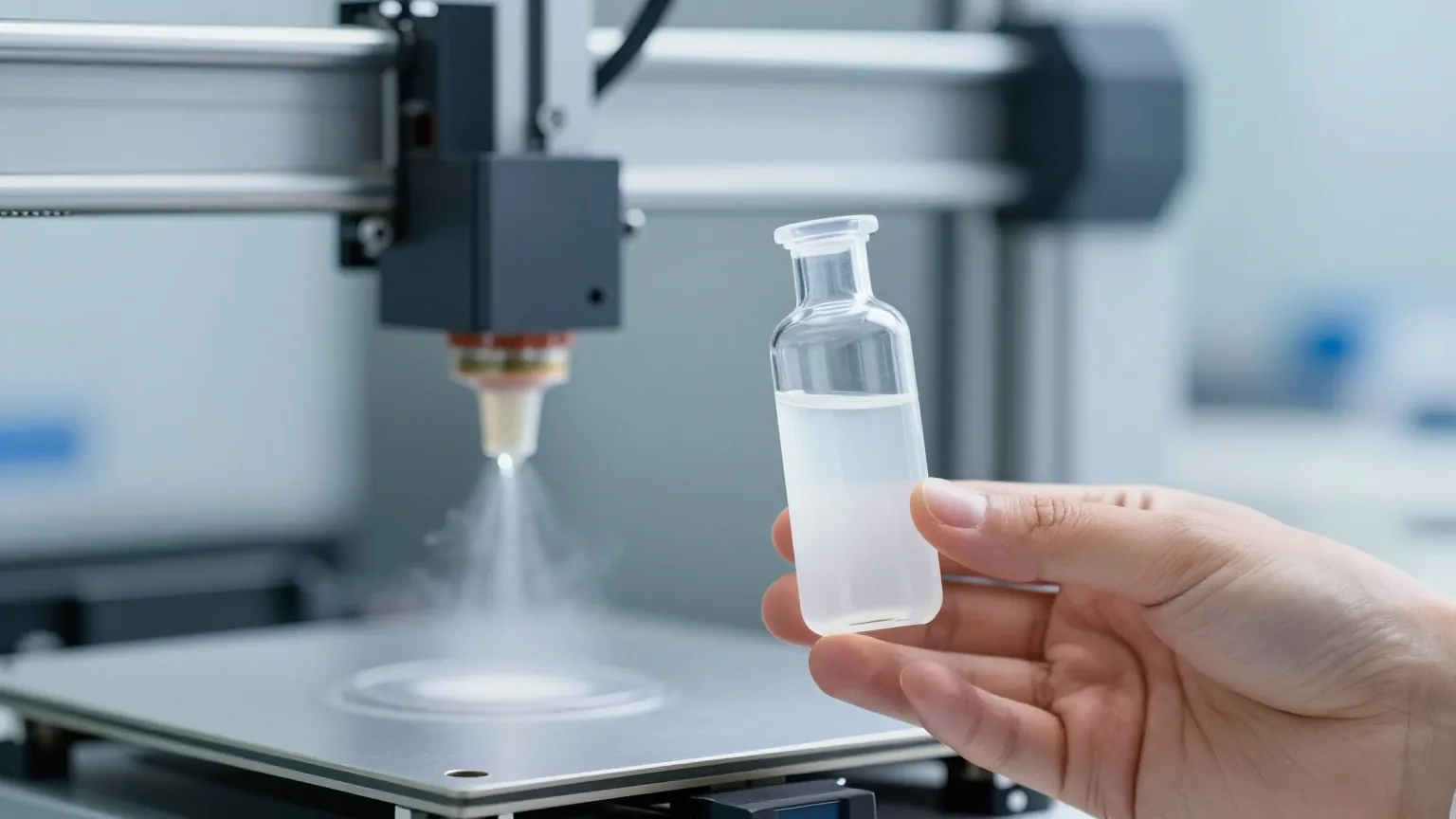
Furthermore, AI is being used to optimize the printing process itself. By analyzing data from previous prints, AI can predict and prevent errors, such as layer adhesion issues or surface defects. [5] This is particularly important when using new resins, as it can help to ensure that the new formulation is compatible with the printer and the printing process. By combining AI-assisted design with AI-assisted printing, the industry can create a closed-loop system that is both efficient and sustainable.
The Role of NFC and Smart Spools
While the chemistry is changing, the hardware is also evolving to support this new era of 3D printing. One of the latest innovations is the use of NFC (Near Field Communication) tags to manage resin spools. Prusa has released an OpenPrintTag NFC Upgrade for their Core One Series printers, which allows the printer to read information from the resin spool. [3] This includes details such as the resin type, color, and material usage. The tag can also trigger automations, such as adjusting the print settings based on the resin type. [3]
This is a small but significant step towards a more intelligent printing ecosystem. As the industry moves to safer resins, it will be important to ensure that the printer is using the correct settings for each resin. NFC tags can help to automate this process, reducing the risk of errors and improving the consistency of prints. [3] In the future, we might see NFC tags being used to track the entire lifecycle of a resin, from production to disposal. This could help to ensure that resins are used responsibly and disposed of safely, further reducing their environmental impact.
The use of NFC tags also opens up new possibilities for customization. Imagine a printer that can automatically adjust its settings based on the specific needs of the print job. For example, if you are printing a medical device, the printer could switch to a higher-resolution mode and use a biocompatible resin. If you are printing a prototype, it could switch to a faster mode and use a lower-cost resin. [5] This level of customization is currently difficult to achieve manually, but it is becoming increasingly possible with the help of smart hardware and software.
Looking Beyond the EU: A Global Shift
While the EU is leading the charge, other regions are taking notice. The United States, Canada, and other countries are likely to follow suit in the coming years. [1] This is not just a matter of trade; it is a matter of public health. As more people become aware of the risks associated with TPO and BAPO, there will be growing pressure on regulators to act. [1] The 3D printing industry must be prepared for this global shift, and it must invest in the development of safer alternatives.
One of the challenges of a global shift is the lack of standardization. Different countries may have different regulations, which could make it difficult for manufacturers to operate on a global scale. To address this, the industry needs to work together to develop global standards for safe resins. This will require collaboration between manufacturers, researchers, regulators, and consumers. [5] By working together, we can create a global market for safe, sustainable 3D printing resins, which will benefit everyone.
It is also worth noting that the shift to safer resins is not just about eliminating harmful chemicals; it is about creating new opportunities. For example, the development of biodegradable resins could open up new applications in agriculture, packaging, and medical devices. [5] By focusing on sustainability, the industry can tap into new markets and create new value. This is a win-win situation for everyone: safer for people, better for the planet, and more profitable for businesses.
The Cultural Shift: From "Just Works" to "Works Safely"
There is a cultural shift happening in the 3D printing community. In the early days, the focus was on "just making it work." If it printed, it was good enough. But as the industry has matured, the focus has shifted to "making it work safely and sustainably." [5] This is a positive change, as it reflects a growing awareness of the social and environmental impact of technology. We are no longer just consumers; we are citizens who are responsible for the world we live in.
This cultural shift is also driving innovation. Makers are no longer just satisfied with printing things; they are asking questions about how things are made, what they are made of, and what happens to them when they are no longer needed. [5] This is a powerful force for change, and it is pushing the industry to adopt new materials and processes that are safer and more sustainable. The ban on TPO and BAPO is a catalyst for this shift, but it is not the only one. There are many other factors at play, including consumer demand, regulatory pressure, and technological advancement.
As a community, we have a responsibility to support this shift. We can do this by choosing to buy resins from manufacturers that prioritize safety and sustainability. We can do this by sharing our knowledge and experiences with others. We can do this by advocating for stronger regulations and better standards. [5] By working together, we can create a 3D printing industry that is not only innovative and efficient, but also responsible and sustainable.
Practical Tips for Navigating the Transition
So, what can you do as a maker to prepare for this transition? Here are a few practical tips:
- Check the Label: When buying new resin, look for labels that indicate it is TPO-free or BAPO-free. [1] This will help you ensure that you are using a safer product.
- Test Your Settings: When you switch to a new resin, run a test print to ensure that your settings are correct. Different photoinitiators may require different exposure times. [1]
- Improve Ventilation: Even with safer resins, it is always a good idea to improve ventilation in your printing space. This will help to reduce your exposure to any fumes or vapors. [2]
- Wear Protective Gear: Always wear gloves and a mask when handling resin. This is not just a precaution; it is a necessity. [1]
- Stay Informed: Keep up to date with the latest news and developments in the 3D printing industry. This will help you make informed decisions about the products you buy and the processes you use. [5]
By taking these steps, you can ensure that your 3D printing experience is safe, efficient, and sustainable. You can also help to drive the industry towards a better future. [5]
The Road Ahead: A New Era of 3D Printing
The ban on TPO and BAPO is a turning point for the 3D printing industry. It is a reminder that technology does not exist in a vacuum; it exists in a world of people and planets that we have a responsibility to protect. [1] The development of nontoxic photoinitiators by NTU is a testament to the power of innovation and collaboration. [1] It shows that we can have both performance and safety, efficiency and sustainability.
As we look to the future, we can expect to see even more breakthroughs in materials science and printing technology. AI will play a bigger role in design and optimization. [4] Smart hardware will make printing more intuitive and efficient. [3] And the industry will continue to move towards safer, more sustainable practices. [5] This is not just a trend; it is a transformation. And it is one that we can all be part of.
The 3D printing industry is at a crossroads. We can choose to resist change, clinging to old ways and old chemicals. Or we can choose to embrace change, adopting new materials and new processes that are better for people and the planet. [5] The choice is ours. And it is a choice that will shape the future of 3D printing for years to come.
Call to Action: Join the Movement
So, what can you do? You can start by making a small change in your own practice. Switch to a TPO-free resin. Improve your ventilation. Share your knowledge with others. [1] You can also support manufacturers and researchers who are working to develop safer, more sustainable materials. [5] By doing so, you are not just printing parts; you are helping to build a better future. [2]
The 3D printing community is strong, and it is creative. We have the power to drive this transition. Let’s use that power wisely. Let’s make 3D printing safer, more sustainable, and more accessible for everyone. [5] The future is bright, and it is up to us to make it so.
Stay curious, stay safe, and keep printing.