EU Bans TPO: New Nontoxic Photoinitiators Save 3D Printing Resins
The Great Resin Panic: Why Your 3D Printer Might Need a New Heart
If you have been following the 3D printing news cycle, you have likely felt a familiar twinge of anxiety. The industry is no stranger to sudden regulatory shifts, supply chain hiccups, or software updates that break half our workflows. But the latest development in the realm of Fused Deposition Modeling (FDM) and, more specifically, Stereolithography (SLA) and Digital Light Processing (DLP), hits close to home for resin users everywhere. The European Union is moving to ban two of the most common photoinitiators used in 3D printing resins: TPO (2-hydroxy-4’-(2-hydroxyethoxy)-2-methylpropiophenone) and BAPO (bis(2,4,6-trimethylbenzoyl)phenylphosphine oxide).
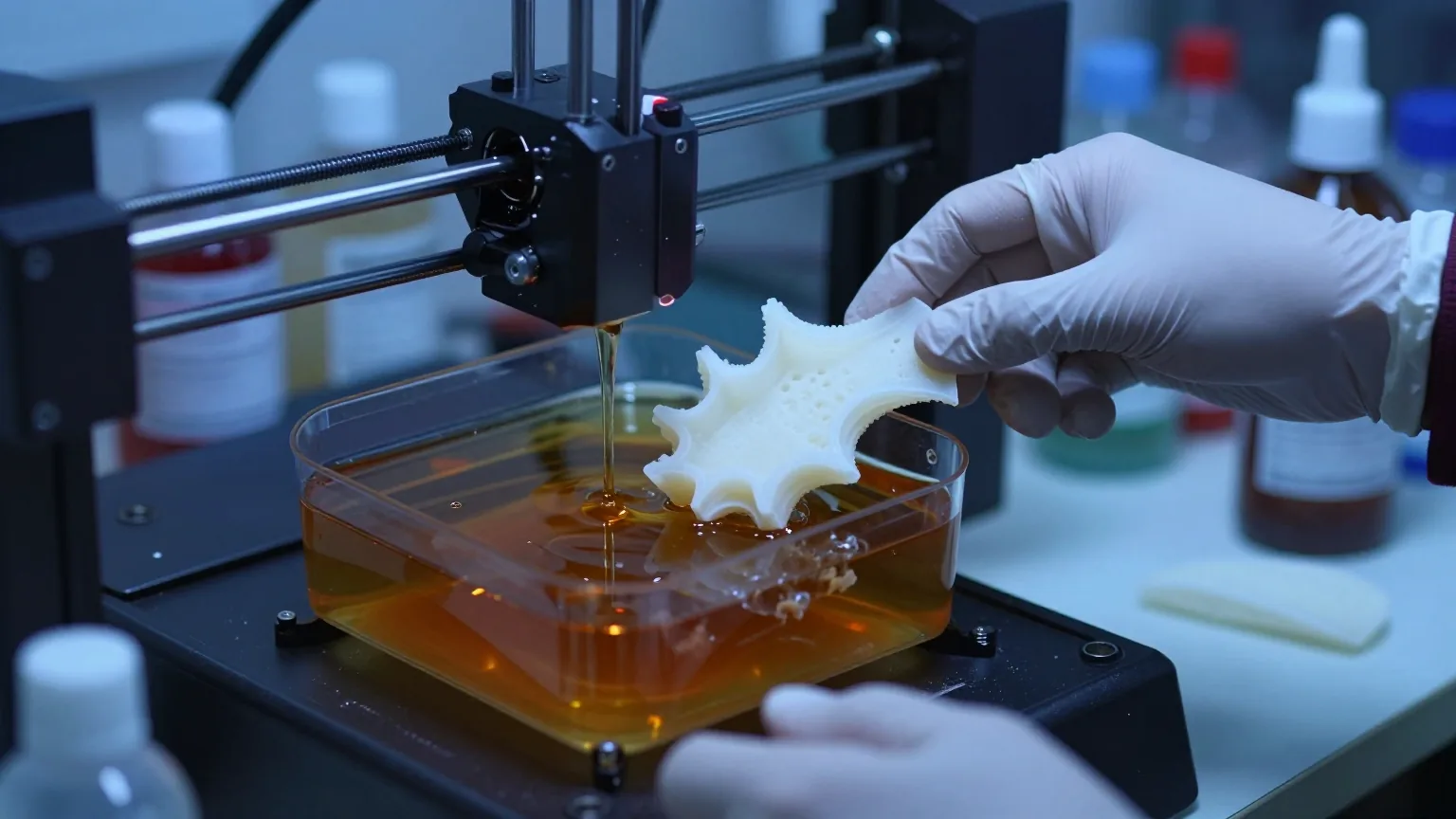
For many hobbyists and industrial users, this sounds like the end of the world. TPO and BAPO have been the invisible workhorses of the resin printing industry for years. They are the chemicals that allow light to cure liquid resin into solid plastic. Without them, your printer just flashes light at a puddle of sticky liquid and nothing happens. So, is the EU trying to shut down a major manufacturing sector? Not exactly. In fact, this regulatory pressure is catalyzing one of the most significant scientific breakthroughs in our field’s history. Researchers at Nanyang Technological University (NTU) in Singapore have developed nontoxic photoinitiators that could replace TPO and BAPO, potentially saving the industry from a regulatory dead end [1].
Understanding the Invisible Chemicals: What Are Photoinitiators?
Before we dive into the solution, let’s take a step back and understand the problem. In 3D printing, specifically in additive manufacturing processes that use light, photoinitiators are the magic dust. They are organic compounds that absorb light energy and undergo a chemical reaction, producing free radicals or ions. These active species then trigger the polymerization of the resin monomers, turning them from a liquid state into a solid network. Think of them as the match that lights the fire of polymerization.
TPO and BAPO have been the industry standards for good reason. They are effective, relatively inexpensive, and work well across a range of wavelengths. However, they come with a dark side. Like many chemical compounds, they carry potential health and environmental risks. TPO, in particular, has raised concerns regarding its potential to cause genetic damage and its persistence in the environment. BAPO, while often considered safer in some contexts, still falls under the broad umbrella of chemicals that regulators are scrutinizing to ensure workplace safety and environmental protection.
The EU’s move to ban these ingredients is part of a broader trend toward stricter chemical regulations. It is not an isolated incident. It is a signal that the era of "if it works, it’s fine" is over. The industry is being forced to look at the lifecycle of its materials, from the chemical composition of the resin to the disposal of failed prints. This is a shift from a purely functional perspective to a holistic, safety-first perspective.
The EU’s Regulatory Hammer: Why Now?
Why is the EU acting now? The regulatory landscape in Europe has been evolving rapidly. The REACH (Registration, Evaluation, Authorisation and Restriction of Chemicals) regulation has become a powerful tool for ensuring that chemicals do not pose unacceptable risks to human health or the environment. TPO and BAPO have been identified as substances of very high concern (SVHCs) or have been flagged for restriction due to their potential hazardous properties.
This is not just about being "green." It is about liability and safety. Manufacturers, printers, and end-users are all exposed to potential legal and health risks if they continue to use banned substances. For large-scale industrial printers, the cost of compliance and the risk of supply chain disruption are significant. For hobbyists, it means that the resins they buy today may not be available in a few years, or they may be required to switch to more expensive, specialized alternatives.
The ban is a wake-up call. It forces the entire supply chain—from raw material suppliers to resin manufacturers to printer OEMs—to rethink their formulations. It is a painful but necessary step toward a more sustainable and safe industry. As one industry observer noted, the pressure to "fail fast and mold smarter" is now extending to the chemical level [2]. We can no longer afford to ignore the long-term consequences of our material choices.
Enter NTU Singapore: A Breakthrough in Nontoxic Chemistry
Just when the industry seemed to be in a bind, a team of researchers at Nanyang Technological University (NTU) in Singapore stepped in with a game-changing solution. They have developed nontoxic photoinitiators that could replace TPO and BAPO [1]. This is not just a minor tweak; it is a fundamental reimagining of how we cure resins. The researchers focused on creating compounds that are not only effective at initiating polymerization but are also biodegradable and non-toxic to humans and the environment.
The significance of this breakthrough cannot be overstated. It provides a viable alternative that meets the stringent requirements of the EU’s new regulations. It means that resin manufacturers can reformulate their products without sacrificing performance. It means that printer users can continue to enjoy the high-resolution, detailed prints that 3D printing offers, without the worry of using hazardous chemicals.
NTU’s work is part of a broader trend in materials science. Researchers are increasingly looking at bio-based and sustainable alternatives to traditional petrochemicals. This shift is driven not only by regulatory pressure but also by a growing awareness of the environmental impact of our manufacturing processes. The development of nontoxic photoinitiators is a prime example of how innovation can turn a regulatory threat into an opportunity for improvement.
How Do Nontoxic Photoinitiators Work?
While the exact chemical structures of NTU’s new photoinitiators are proprietary, the general principle is similar to traditional photoinitiators. They absorb light energy and generate reactive species that initiate polymerization. The key difference lies in their chemical composition. Instead of using aromatic compounds like TPO, which are potentially hazardous, the new initiators likely use aliphatic or other non-aromatic structures that are less toxic and more biodegradable.
One of the challenges in developing nontoxic photoinitiators is maintaining efficiency. Traditional photoinitiators are highly efficient, meaning they can initiate polymerization with minimal light exposure. Newer, safer alternatives have sometimes suffered from lower efficiency, leading to longer print times or incomplete curing. NTU’s research appears to have overcome this hurdle, creating initiators that are both safe and effective. This is crucial for the 3D printing industry, where print time and quality are paramount.
Additionally, the new photoinitiators may offer other benefits. For example, they might be more stable, leading to longer shelf life for resins. They might also be less prone to yellowing or degradation over time, resulting in prints with better color fidelity and durability. These secondary benefits could make nontoxic resins not just a regulatory necessity, but a superior product choice.
The Impact on Resin Manufacturers: A Race to Reformulate
The development of nontoxic photoinitiators puts resin manufacturers in a unique position. They now have a viable path to compliance with EU regulations. However, the transition will not be immediate. Resin manufacturers will need to test and validate the new formulations to ensure they meet their quality standards. This process can take months or even years, especially for industrial resins that require rigorous testing.
Smaller, hobbyist-focused resin brands may be quicker to adapt, as they often have more flexibility in their R&D processes. Larger, industrial brands may be more cautious, given the high stakes involved. However, the pressure from regulators and customers will likely accelerate the transition. We can expect to see a wave of new, nontoxic resins hitting the market in the coming years.
Manufacturers will also need to educate their customers about the changes. Many users are accustomed to specific resin brands and formulations. Switching to a new resin can be a daunting process, requiring adjustments to printer settings and post-processing techniques. Manufacturers will need to provide clear guidance and support to help users make the transition smoothly. This is an opportunity for brands to differentiate themselves by offering superior customer support and education.
What This Means for Hobbyists: A New Era of Safe Printing
For hobbyists, the ban on TPO and BAPO might seem like a distant concern. After all, most hobbyists are not printing in large volumes, and the risk of exposure to small amounts of resin is low. However, the impact will still be felt. As resin manufacturers reformulate their products, prices may initially increase due to the cost of new ingredients and testing. This could make hobbyist resins more expensive in the short term.
However, the long-term benefits are significant. Nontoxic resins will be safer to use, reducing the risk of skin irritation, respiratory issues, and other health problems associated with traditional resins. They will also be easier to dispose of, as they are biodegradable and less hazardous to the environment. This makes 3D printing a more sustainable and responsible hobby.
Hobbyists should start preparing for this change by familiarizing themselves with the new resin formulations. Look for resins that are explicitly labeled as nontoxic or biodegradable. Pay attention to the photoinitiators used in the resin, and choose brands that are transparent about their ingredients. By doing so, you can ensure that your printing experience remains safe and enjoyable, even as the industry evolves.
The Broader Context: Sustainability in 3D Printing
The ban on TPO and BAPO is part of a broader movement toward sustainability in 3D printing. The industry is increasingly recognizing the need to reduce its environmental footprint, from the energy consumption of printers to the waste generated by failed prints and support structures. Nontoxic photoinitiators are just one piece of this puzzle. Other areas of focus include the development of bio-based resins, recyclable materials, and energy-efficient printing technologies.
This shift is not just driven by regulatory pressure. It is also driven by consumer demand. Customers are increasingly conscious of the environmental impact of their purchases and are looking for products that are sustainable and ethically produced. 3D printing, with its potential for on-demand manufacturing and reduced waste, is well-positioned to meet this demand. By adopting nontoxic resins and other sustainable practices, the industry can reinforce its image as a leader in green manufacturing.
The cultural context of this shift is also important. We are living in a time of heightened awareness about climate change and environmental degradation. The 3D printing industry, like many others, is being held accountable for its impact on the planet. This is a positive development, as it encourages innovation and responsibility. It forces us to think more carefully about the materials we use and the waste we generate. In the long run, this will lead to a more sustainable and resilient industry.
Technological Synergies: AI and Smart Printing
The development of nontoxic photoinitiators does not happen in a vacuum. It is part of a broader trend of technological innovation in 3D printing. For example, AI-assisted design and manufacturing are becoming increasingly common, allowing users to optimize their prints for strength, weight, and material usage [3]. Similarly, smart printers with automated quality validation are becoming more prevalent, ensuring that prints are consistent and reliable [2].
These technologies can complement the use of nontoxic resins. AI can help optimize printing parameters for new resin formulations, ensuring that prints are cured correctly and efficiently. Smart printers can monitor the printing process in real-time, detecting and correcting any issues that may arise. This integration of chemistry and technology will lead to a more robust and user-friendly 3D printing ecosystem.
Furthermore, the development of new materials like polymer color routers, which can be 3D printed, opens up new possibilities for functional and aesthetic applications [1]. These innovations, combined with nontoxic resins, will expand the range of applications for 3D printing, from medical devices to consumer goods. The industry is moving toward a future where 3D printing is not just a prototyping tool, but a mainstream manufacturing method.
Challenges and Considerations: The Road Ahead
Despite the promising developments, there are still challenges to overcome. One of the main concerns is the cost of nontoxic photoinitiators. If the new ingredients are significantly more expensive than TPO and BAPO, it could lead to higher prices for resins. This could make 3D printing less accessible to hobbyists and small businesses. However, as production scales up, costs are likely to decrease. Additionally, the benefits of using nontoxic resins, such as reduced health risks and easier disposal, may justify the higher cost for many users.
Another challenge is the compatibility of nontoxic resins with existing printers. Some printers may be optimized for traditional resins, and switching to new formulations may require adjustments to printing parameters. This could lead to a period of transition, where users need to experiment with their settings to achieve optimal results. Printer manufacturers will need to provide clear guidance and support to help users make the switch.
There is also the issue of standardization. As different manufacturers develop their own nontoxic resin formulations, there may be variations in performance and quality. This could make it difficult for users to choose the right resin for their needs. Industry standards bodies may need to step in to establish guidelines for nontoxic resins, ensuring that they meet certain quality and safety criteria. This will help build trust in the new products and facilitate their adoption.
Cultural Shifts: From Hobby to Responsibility
The shift toward nontoxic resins reflects a broader cultural change in the 3D printing community. We are moving away from a mindset of "hacker culture," where the goal is to push the boundaries of technology regardless of the consequences, to a mindset of responsible innovation. We are recognizing that our actions have impacts, and we are taking steps to mitigate those impacts. This is a positive development, as it encourages a more thoughtful and ethical approach to technology.
This cultural shift is also evident in the way we discuss 3D printing. We are no longer just talking about speed and resolution; we are talking about sustainability, safety, and social responsibility. This is a sign of maturity, as the industry grows up and takes its place in the broader manufacturing landscape. It is a reminder that technology is not just about what we can do, but what we should do.
For hobbyists, this shift means that we are part of a larger community that is committed to making a positive impact. By choosing nontoxic resins and sustainable practices, we are contributing to a better world. It is a small step, but it is a step in the right direction. Together, we can make 3D printing a force for good.
Conclusion: Embracing the Change
The EU’s ban on TPO and BAPO is a significant development in the 3D printing industry. It is a challenge, but it is also an opportunity. The development of nontoxic photoinitiators by NTU Singapore provides a viable solution, paving the way for a safer and more sustainable future for resin printing. While there are still challenges to overcome, the industry is well-positioned to adapt and thrive.
As we look to the future, we can expect to see a rapid adoption of nontoxic resins, driven by regulatory pressure and consumer demand. We can also expect to see further innovations in materials and technology, as the industry continues to push the boundaries of what is possible. The 3D printing industry is at a crossroads, and the choice we make now will shape its future.
So, what should you do? If you are a resin printer, start paying attention to the resins you use. Look for brands that are committed to sustainability and safety. Educate yourself about the new formulations and the benefits they offer. And, most importantly, embrace the change. It is not just about compliance; it is about being part of a community that is working to make a positive impact. The future of 3D printing is bright, and it is nontoxic.
Join the conversation. Share your thoughts on the future of resin printing with your local 3D printing community. Ask your favorite resin brands about their plans for nontoxic formulations. And, if you are a researcher or developer, consider contributing to the effort to create safer and more sustainable materials. Together, we can build a better future for 3D printing.