EU BANS TPO: New Nontoxic Photoinitiators Rescue 3D Printing Resins
The Great Resin Scare: Why Your Favorite 3D Printing Chemicals Are About to Hit the Shelf
Imagine waking up one morning to find that the very materials you use to bring your digital creations to life are suddenly classified as hazardous, restricted, or outright banned. For the 3D printing community, this isn’t science fiction; it’s a regulatory reality knocking on the door. As we navigate the latter half of 2026, the additive manufacturing industry is facing a significant pivot point driven by environmental and health regulations. Specifically, the European Union has tightened its noose around two common photoinitiators found in resin 3D printing: TPO (2,4,6-trimethylbenzoyldiphenylphosphine oxide) and BAPO (bis(2,4,6-trimethylbenzoyl)phenylphosphine oxide). These chemicals, long staples in the formulation of high-performance resins, are now under the spotlight due to concerns regarding their toxicity and environmental persistence [1].
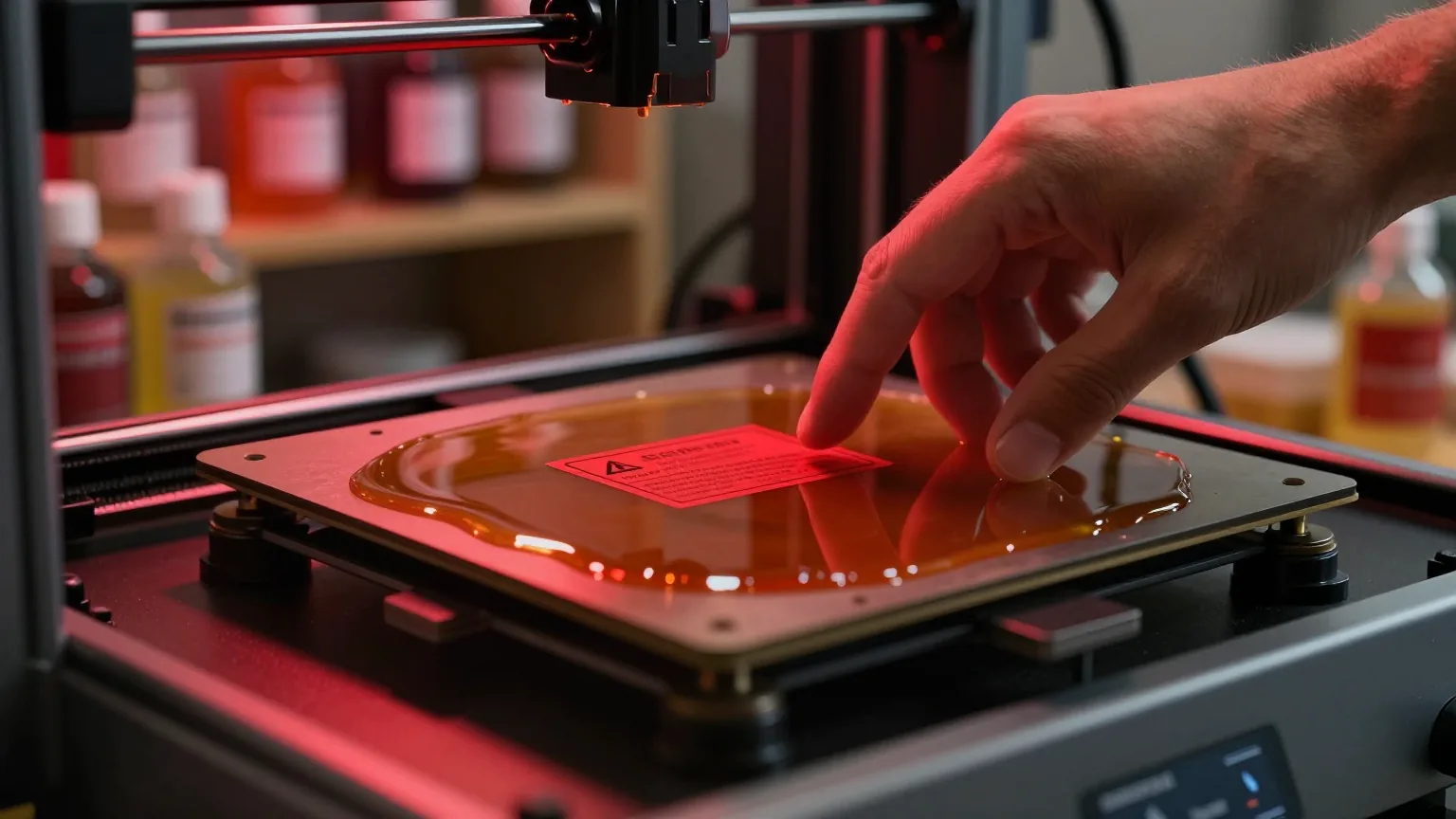
But before you panic and throw your FDM or SLA printer into the ocean, take a deep breath. This regulatory hammer is not an end, but a catalyst. In the world of technology, constraints often breed innovation. As the EU moves to ban or restrict these ingredients, researchers and manufacturers are racing to develop nontoxic alternatives that promise to keep the industry moving forward without compromising on performance. This isn’t just about compliance; it’s about the future of sustainable manufacturing. Let’s dive into what this means for you, the maker, and how the industry is reshaping itself to meet this challenge.
What Exactly Are TPO and BAPO?
To understand why these chemicals are under fire, we first need to understand what they do. In resin 3D printing, also known as stereolithography (SLA) or digital light processing (DLP), liquid photopolymer resins are cured into solid plastic using ultraviolet (UV) light. The magic behind this transformation lies in photoinitiators. These are the chemical "switches" that absorb UV light and trigger the polymerization process, turning the liquid resin into a solid structure.
TPO and BAPO have been the workhorses of this industry for years. They are efficient, stable, and produce high-quality prints with fine details. For a long time, they were the default choice for manufacturers because they worked well and were relatively inexpensive. However, their chemical structure has raised red flags. TPO, in particular, has been scrutinized for its potential toxicological effects. While it was once considered safe, newer studies have suggested that it may pose risks to human health and the environment if not handled and disposed of properly. The EU’s upcoming regulations reflect a broader shift toward "green chemistry," where the safety and biodegradability of materials are prioritized over convenience and cost [1].
The EU’s Regulatory Hammer: Why Now?
Why is the EU acting now? It’s not an isolated incident. Over the past decade, the European Union has become a global leader in chemical regulation, particularly through the REACH (Registration, Evaluation, Authorisation and Restriction of Chemicals) framework. The goal is to protect human health and the environment from the risks posed by chemicals. In the context of 3D printing, the concern is twofold: occupational exposure for users and the environmental impact of discarded resins and failed prints.
Resin 3D printing is a messy process. There are spills, there are failed prints, and there is the inevitable waste. When resins containing TPO and BAPO end up in landfills or water systems, they persist in the environment. Furthermore, users who handle these resins without proper protective equipment are exposed to volatile organic compounds (VOCs) and other harmful substances. The EU’s move to ban or restrict these photoinitiators is part of a larger trend to force the industry to adopt safer, more sustainable practices. It’s a classic case of "if you can’t measure it, you can’t manage it," and the EU is measuring the risks and deciding they are too high to ignore [1].
The Race for Nontoxic Alternatives
Here is where the story takes a turn for the better. The ban on TPO and BAPO has not left the industry stranded; it has ignited a race to find better solutions. Researchers at Nanyang Technological University (NTU) in Singapore have been at the forefront of this effort. They have developed nontoxic photoinitiators that could serve as direct replacements for TPO and BAPO [1]. These new compounds are designed to be just as effective in curing resins but without the toxicological baggage. This is a significant breakthrough because it means that the performance of 3D printed parts does not have to suffer for the sake of safety.
The development of these nontoxic photoinitiators is a testament to the power of academic research in solving industrial problems. By collaborating with manufacturers, universities are bridging the gap between theoretical chemistry and practical application. This collaboration is crucial because the transition to new chemicals requires not just a change in the formulation, but also a re-evaluation of the entire printing process. Factors such as curing time, layer adhesion, and post-processing requirements all need to be optimized for the new photoinitiators. The fact that NTU researchers have already identified viable alternatives suggests that the transition will be smoother than many fear [1].
Historical Context: The Evolution of 3D Printing Materials
To appreciate the significance of this shift, it’s helpful to look back at the history of 3D printing materials. In the early days of additive manufacturing, materials were often chosen for their availability and cost, with little regard for their environmental impact. The industry was focused on proving that 3D printing could work, not on making it sustainable. Over time, as the technology matured, the focus shifted to performance, speed, and quality. Now, as 3D printing becomes more mainstream and integrated into professional workflows, the focus is shifting again—this time to sustainability and safety.
This trajectory is not unique to 3D printing. It mirrors the evolution of the plastics industry as a whole, which has faced increasing pressure to reduce its environmental footprint. Just as the ban on single-use plastics has driven innovation in biodegradable alternatives, the restriction of toxic photoinitiators is driving innovation in green resin chemistry. This is a positive development, as it encourages the industry to think more holistically about the lifecycle of its materials, from production to disposal.
Impact on the Consumer Market
What does this mean for the average 3D printing enthusiast? In the short term, you might notice a slight increase in the price of resins as manufacturers transition to new formulations. New chemicals often come with higher research and development costs, which can be passed on to consumers. However, this price increase is likely to be temporary. As the demand for nontoxic resins grows, economies of scale will kick in, and prices will stabilize. Moreover, the shift to safer resins may actually reduce long-term costs for manufacturers by lowering the need for expensive waste disposal and safety measures.
For consumers, the most immediate impact will be a change in the types of resins available. You may see a surge in marketing for "eco-friendly" or "non-toxic" resins. It’s important to be critical of these claims and look for certifications or third-party testing to ensure that the products live up to their promises. The 3D printing community has a history of being skeptical of greenwashing, and this is no different. By demanding transparency and accountability from manufacturers, consumers can play a crucial role in driving the industry toward true sustainability.
The Role of Innovation in Overcoming Throughput Challenges

While the focus on nontoxic photoinitiators is a major development, it’s important to recognize that it is just one piece of the puzzle. The 3D printing industry is facing multiple challenges simultaneously, including the need to increase throughput and reduce waste. For example, two-photon polymerization 3D printing, a technology known for its extreme precision, has a significant throughput problem: the machine usually can print only one object at a time [4]. This limitation makes it difficult to compete with faster, less precise technologies like FDM or standard SLA. Similarly, powder removal, a critical step in metal 3D printing, is a job that looks simple but is actually quite complex and labor-intensive [4].
These challenges highlight the need for a holistic approach to improving 3D printing. It’s not enough to just make the materials safer; we also need to make the processes more efficient and sustainable. This is where innovation in areas such as automation, artificial intelligence, and process optimization comes into play. By addressing these broader challenges, the industry can create a more robust and resilient ecosystem that can withstand regulatory changes and continue to grow.
Current Trends: Speed and Accessibility in 2026
As we look at the current state of the 3D printing industry in 2026, one of the most notable trends is the democratization of high-speed printing. Speed was the battleground in 2024, but by 2026, fast printing has become normal [5]. Technologies that were once exclusive to high-end, expensive machines, such as CoreXY motion systems and high-flow hotends, have trickled down to budget-friendly options [5]. This trend is significant because it makes high-quality 3D printing accessible to a wider audience, including hobbyists, educators, and small businesses.
For example, Bambu Lab is set to launch its new H3C printer on November 3, 2026, at 9 AM EST [2]. This launch is part of a broader trend of manufacturers pushing the boundaries of what is possible in consumer 3D printing. Similarly, Peopoly has opened general sales for new models, featuring advanced bed leveling technology that the company developed in-house [2]. These developments show that the industry is not standing still; it is actively innovating to meet the needs of its users. The combination of faster printing, better accessibility, and safer materials creates a compelling value proposition for both new and existing users.
Technological Upgrades: The NFC Revolution
Another area of rapid innovation is in the integration of smart technology into 3D printers. One of the most exciting developments in recent months is the release of the OpenPrintTag NFC Upgrade for Prusa’s Core One Series printers [3]. This ~$20 upgrade allows the printer to read OpenPrintTags, which are NFC-enabled spools that contain information about the material, such as its type, color, and usage history [3]. This feature enables automations, such as adjusting print settings based on the material being used, and it allows users to track material usage directly on the spool [3].
While this may seem like a minor feature, it has significant implications for the future of 3D printing. By connecting the physical material to the digital workflow, manufacturers can create a more integrated and efficient system. This kind of smart technology can also help with sustainability by reducing waste and ensuring that materials are used optimally. As the industry moves toward safer and more sustainable materials, smart features like NFC tags will become increasingly important for tracking and managing the lifecycle of these materials.
The Future of Sustainable 3D Printing
Looking ahead, the future of 3D printing is likely to be defined by a growing emphasis on sustainability. The EU’s ban on TPO and BAPO is just the beginning. We can expect to see more regulations targeting other aspects of the 3D printing process, such as energy consumption, waste generation, and material sourcing. In response, manufacturers will continue to innovate, developing new materials, processes, and technologies that are both high-performing and environmentally friendly.
One area of particular promise is the development of biodegradable resins. While nontoxic photoinitiators are a crucial step, they do not address the issue of the resin itself being non-biodegradable. Researchers are working on developing resins that can break down naturally after their useful life, reducing the environmental impact of discarded prints. Additionally, there is a growing interest in using recycled materials in 3D printing, such as recycled plastics and even food waste. These innovations will not only make 3D printing more sustainable but also more circular, aligning with the principles of the circular economy.
Community and Call to Action
The 3D printing community plays a vital role in shaping the future of the industry. By staying informed, sharing knowledge, and demanding transparency from manufacturers, users can drive positive change. Here are a few ways you can get involved:
- Stay Informed: Keep up with the latest news and research in 3D printing, particularly regarding materials and sustainability. Follow reputable sources like 3D Printing News, Voxelmatters, and All3DP to stay updated on regulatory changes and technological advancements [1][2][3].
- Choose Wisely: When purchasing resins, look for products that are certified as non-toxic or eco-friendly. Support manufacturers that are transparent about their materials and processes.
- Reduce Waste: Implement best practices for reducing waste in your 3D printing workflow, such as optimizing support structures, recycling failed prints, and properly disposing of spent resins.
- Advocate for Change: Voice your support for sustainable 3D printing to manufacturers, policymakers, and your local community. By working together, we can create a future where 3D printing is not only innovative but also responsible.
The EU’s ban on TPO and BAPO is a challenge, but it is also an opportunity. It is an opportunity to rethink how we approach materials and processes in 3D printing, to innovate in new ways, and to build a more sustainable future. The industry has shown time and again that it can adapt and overcome, and this is no exception. By embracing this change, we can ensure that 3D printing continues to be a powerful tool for creativity, innovation, and progress.
Conclusion: A New Era for Additive Manufacturing
As we stand at the crossroads of regulatory change and technological innovation, the 3D printing industry is poised for a transformation. The ban on TPO and BAPO is a wake-up call, reminding us that our pursuit of performance and convenience must be balanced with a commitment to safety and sustainability. The development of nontoxic photoinitiators by researchers like those at NTU Singapore is a beacon of hope, showing that it is possible to have both [1].
But this is just the beginning. The future of 3D printing will be shaped by a combination of safer materials, faster and more accessible technology, and smart features that integrate the physical and digital worlds. By staying engaged and informed, we can all play a part in shaping this future. So, let’s roll up our sleeves, keep our printers running, and build a better, more sustainable world, one layer at a time.