EU Bans TPO? NTU’s Nontoxic Photoinitiators Offer a Green Escape
The Silent Revolution in Your Resin Vat: Why TPO is Being Banned and Why That’s Actually Good News
If you have been deep in the weeds of the 3D printing hobby, specifically the resin (SLA/DLP) side, you have likely felt the subtle shift in the air. It is not just a change in price or a new printer release; it is a regulatory wave crashing over the European Union’s shores, and it is washing away one of the most common ingredients in your favorite resin bottles. The target? TPO (2,4,6-trimethylbenzoyldiphenylphosphine oxide) and its cousin, BAPO. These chemicals, long considered the backbone of efficient resin curing, are now facing strict bans and restrictions within the EU due to toxicity concerns [1].
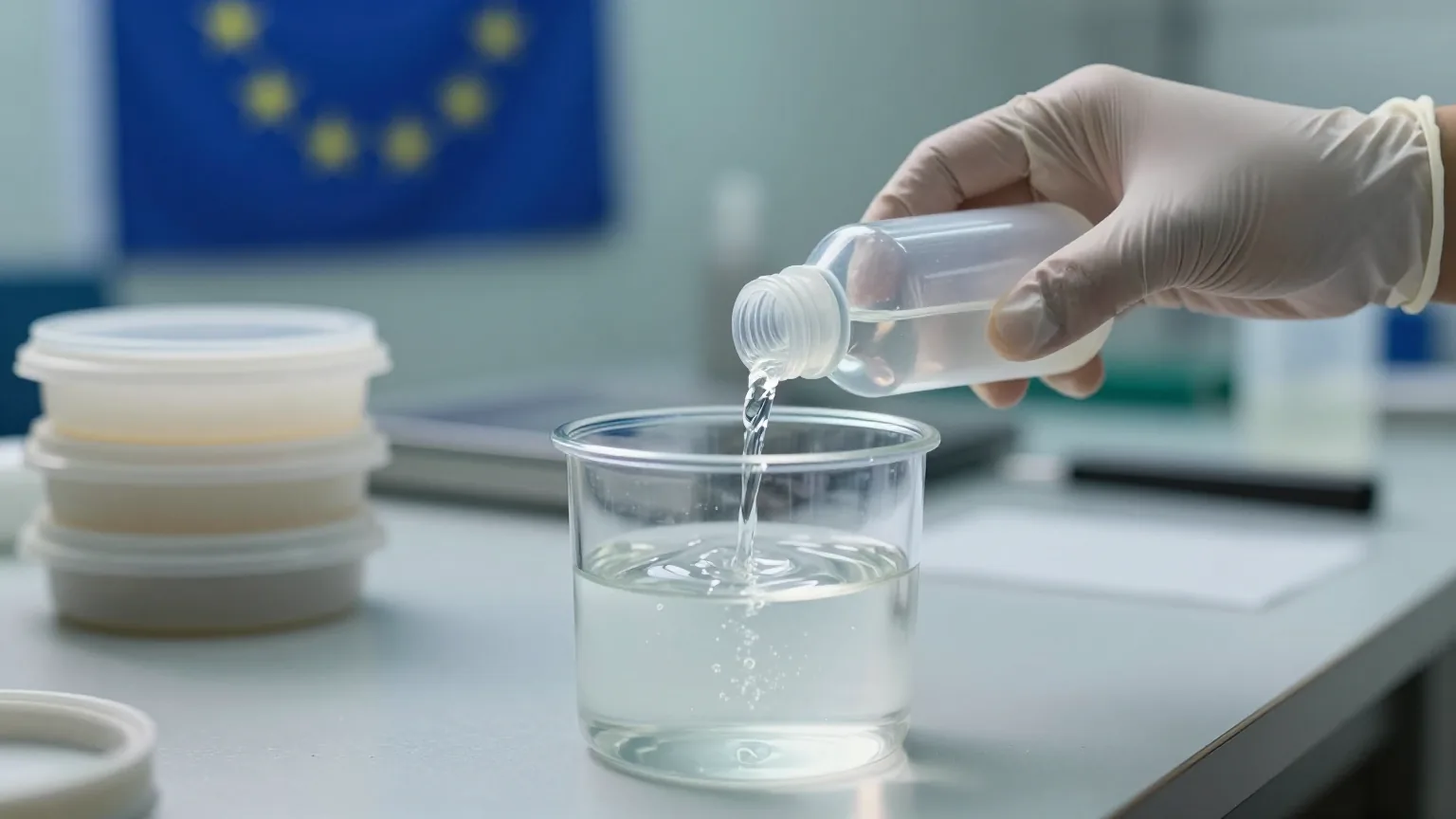
For many in the community, this news triggered a familiar panic: "Does this mean my printer is obsolete? Will resin become unaffordable? Do I have to switch to FDM and print slow, ugly blobs?" The short answer is no. The long answer is that we are standing on the precipice of a green escape route, courtesy of researchers at Nanyang Technological University (NTU) in Singapore. They have developed nontoxic photoinitiators that could seamlessly replace TPO and BAPO, offering a solution that is not only safer for the environment but potentially more efficient for the user [1].
This is not just a regulatory footnote; it is a fundamental re-engineering of the chemistry that makes 3D printing possible. As we navigate 2026, the intersection of environmental policy and material science is defining the future of additive manufacturing. Let’s unpack what is happening, why it matters, and how NTU’s breakthrough fits into the broader picture of 3D printing innovations.
The TPO Problem: A Legacy of Convenience
To understand why the ban is such a big deal, we first need to appreciate why TPO became the industry standard in the first place. In the early days of photopolymerization, finding a chemical that could effectively absorb UV light and trigger the hardening of liquid resin was a balancing act. You needed a photoinitiator that was potent enough to cure the resin quickly, stable enough to sit in a bottle for months without degrading, and clear enough not to yellow or cloud the final print. TPO checked all these boxes. It was a workhorse chemical, reliable and effective, which is why it ended up in the vast majority of consumer and industrial resins for the better part of two decades.
However, "effective" does not always mean "safe." As our understanding of chemical toxicity has evolved, so have our regulations. TPO and related phosphine oxide photoinitiators have raised concerns regarding their potential impact on human health and the environment. In the EU, where the REACH (Registration, Evaluation, Authorisation and Restriction of Chemicals) framework is the gold standard for chemical safety, the pressure to ban or restrict such substances has intensified. The ban is not a punitive measure; it is a protective one, designed to keep hazardous chemicals out of the hands of hobbyists and industrial workers alike, and out of the water table [1].
For the average 3D printer owner, this has felt like a rug being pulled out from under their feet. Resin manufacturers have been scrambling to reformulate their products, often resulting in a temporary "flavor of the month" situation where new resins arrive with different curing characteristics, sometimes leading to layer adhesion issues or increased brittleness. The uncertainty has been frustrating, but it is also a catalyst for change.
Enter NTU: The Science Behind the Green Escape
While the EU was tightening the noose, researchers at Nanyang Technological University (NTU) in Singapore were looking for a way out. Their team has made significant strides in developing nontoxic photoinitiators that could serve as direct replacements for TPO and BAPO [1]. This is not just a swap of one chemical for another; it is a paradigm shift in how we think about photoinitiation.
The NTU approach focuses on creating molecules that are inherently less hazardous. By redesigning the chemical structure of the photoinitiator, they aim to reduce or eliminate the toxicological concerns that have plagued TPO for years. The goal is to create a "green" photoinitiator that maintains the high efficiency required for fast, high-resolution 3D printing while being safe for human contact and biodegradable or easily recyclable in the environment.
This is a significant achievement because it addresses the core tension in 3D printing: the trade-off between performance and sustainability. For years, the industry has leaned heavily on high-performance chemicals that often came with an environmental cost. NTU’s research suggests that this trade-off is no longer necessary. We can have our cake and eat it too—specifically, we can have high-resolution, fast-curing prints without the toxic baggage.
The implications of this are far-reaching. If NTU’s photoinitiators can be scaled up and integrated into commercial resins, we could see a wave of "eco-friendly" resins that are not just a marketing gimmick but a genuine improvement in safety and sustainability. This would be a major step forward for the industry, particularly as 3D printing moves from niche hobbyist spaces into mainstream manufacturing and education.
The Broader Context: AI, Waste, and the 2026 Innovation Landscape
While the TPO ban and NTU’s photoinitiators are the headline stories, they are part of a larger trend in 3D printing innovations. The year 2026 is seeing a surge in technologies that aim to make 3D printing smarter, cleaner, and more efficient. From AI-assisted design to low-waste multicolor printing, the industry is undergoing a holistic transformation [2].
AI, for instance, is no longer just a buzzword. It is being integrated into the print workflow in ways that were unimaginable a few years ago. AI algorithms are now capable of predicting print failures before they happen, optimizing support structures to minimize material waste, and even suggesting design modifications to improve printability. This is particularly relevant in the context of the TPO ban, as AI can help manufacturers fine-tune the curing parameters for new, nontoxic resins to ensure optimal performance.
Similarly, the push for low-waste printing is gaining momentum. Traditional 3D printing is notorious for its waste, whether it is in the form of failed prints, support material, or excess resin. New technologies are emerging that aim to reduce this waste significantly. For example, some printers are now equipped with systems that can recycle failed prints or repurpose excess material, reducing the environmental footprint of the process [2].
In this context, NTU’s nontoxic photoinitiators fit perfectly. They are not just a solution to a regulatory problem; they are a component of a broader ecosystem of sustainable 3D printing. By replacing toxic chemicals with safe ones, and by integrating these new resins with AI-optimized printing processes, we can create a 3D printing workflow that is not only more efficient but also more responsible.
Industrial Implications: From Micro to Macro
The impact of this shift is not limited to the consumer market. In the industrial sector, where 3D printing is used for everything from aerospace components to medical implants, the need for safe and reliable materials is paramount. The ban on TPO and BAPO in the EU is a significant challenge for industrial manufacturers, who rely on consistent, high-performance resins for their production lines.
However, this challenge is also an opportunity. Companies that can quickly adapt to new, nontoxic photoinitiators will gain a competitive advantage in the EU market, where regulatory compliance is a key factor in procurement decisions. Moreover, the development of safer resins could open up new applications for 3D printing in industries that have previously been hesitant to adopt the technology due to safety concerns, such as food packaging or consumer electronics.
For instance, in the medical field, the use of 3D printing for creating custom implants and prosthetics is expanding rapidly. However, the toxicity of resins has been a barrier to adoption, as patients and healthcare providers are concerned about the potential health risks associated with residual chemicals in the final product. Nontoxic photoinitiators could help overcome this barrier, making 3D-printed medical devices safer and more acceptable to both patients and regulators.
Furthermore, the trend towards micro 3D printing is driving real impact in fields like microfluidics and nanotechnology. As printers become smaller and more precise, the need for high-quality, safe resins becomes even more critical. NTU’s research could play a key role in enabling these micro-scale applications, where even trace amounts of toxic chemicals could have significant consequences [3].
The Role of Hardware: New Printers for New Chemistry
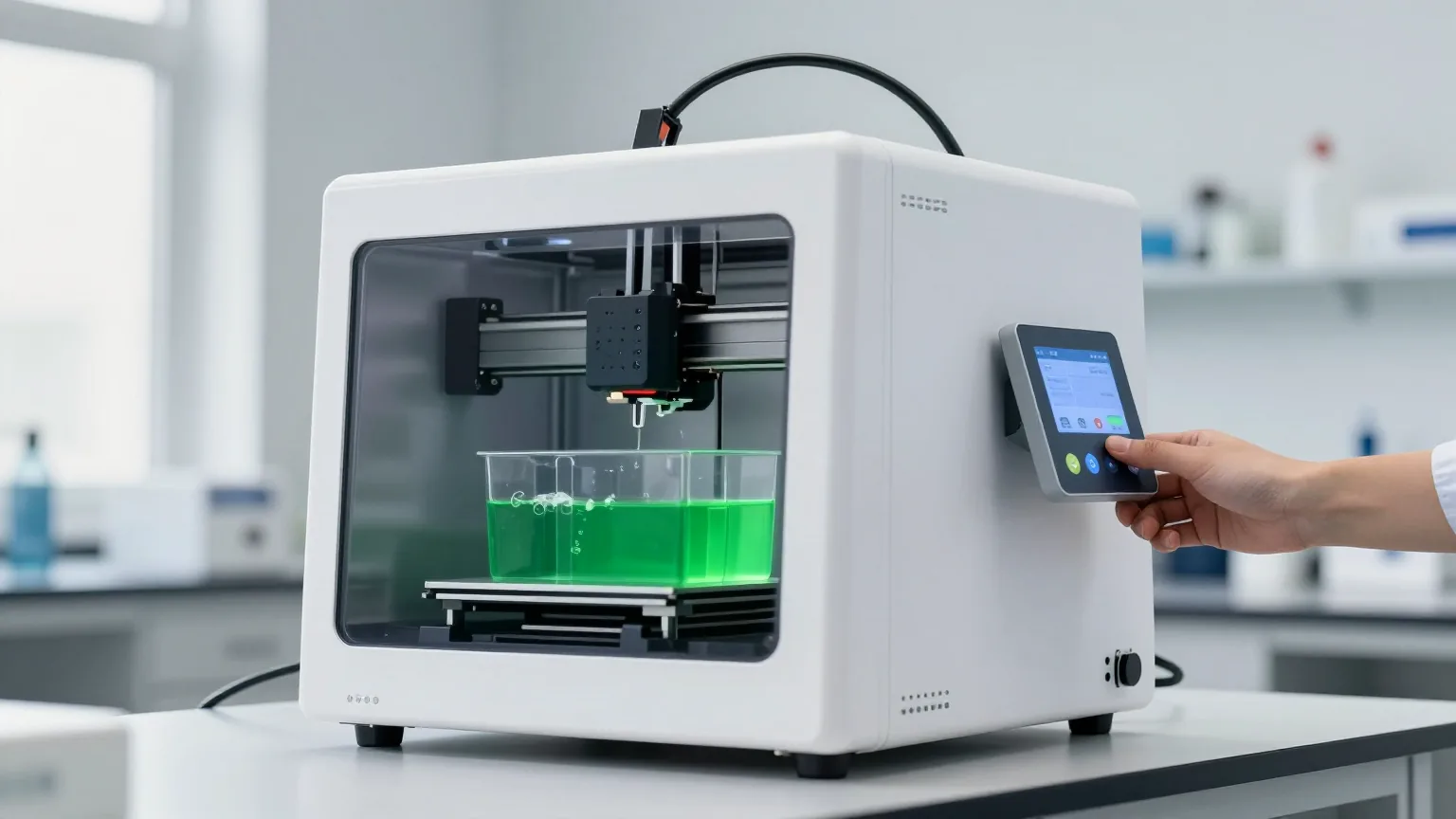
It is worth noting that the shift to nontoxic photoinitiators is not happening in a vacuum. It is coinciding with a wave of new printer hardware that is designed to work with a wide range of materials. For example, UltiMaker has recently unveiled the Factor 4 Plus, a high-speed industrial 3D printer with automated quality validation [3]. While this printer is primarily focused on FDM technology, its emphasis on quality and reliability reflects a broader industry trend towards creating hardware that can handle the complexities of new materials.
In the resin printing space, we are seeing similar developments. Printers are becoming more sophisticated, with features like automatic leveling, real-time monitoring, and advanced curing algorithms that can adapt to the specific characteristics of different resins. These features will be crucial for ensuring that nontoxic photoinitiators perform as expected, as they may require different curing parameters than traditional TPO-based resins.
Additionally, the emergence of compact, affordable industrial printers is making it easier for smaller businesses and research labs to adopt 3D printing. For instance, HP has introduced the Multi Jet Fusion 1200, a compact version of their large-scale industrial technology, designed for smaller workspaces and tighter budgets [5]. This democratization of industrial 3D printing means that more people will be using resins, and therefore, more people will be benefiting from the safety improvements offered by nontoxic photoinitiators.
Cultural Shifts: From Hobby to Responsibility
There is a cultural shift happening within the 3D printing community as well. A few years ago, the primary concern for most hobbyists was print speed and resolution. Today, there is a growing awareness of the environmental and health impacts of 3D printing. This shift is driven by a combination of factors, including the EU’s regulatory actions, the rise of eco-conscious consumerism, and the increasing visibility of 3D printing in mainstream media.
This cultural shift is evident in the way that the community discusses materials. Conversations about resin toxicity, waste management, and sustainable practices are now common on forums and social media platforms. This is a positive development, as it indicates that the community is taking its responsibilities seriously. It also creates a demand for safer, more sustainable materials, which in turn drives innovation from companies like NTU.
Moreover, the 3D printing community is becoming more interconnected, with knowledge and resources being shared across borders and disciplines. This collaboration is essential for addressing complex challenges like the TPO ban, as it requires input from chemists, engineers, regulators, and users. By working together, we can develop solutions that are not only technically sound but also socially and environmentally responsible.
Historical Perspective: Learning from the Past
To fully appreciate the current situation, it is helpful to look at the history of 3D printing materials. In the early days of the technology, materials were often experimental and inconsistent. Users had to tinker with settings and accept a high failure rate. Over time, the industry moved towards standardization, with the development of reliable materials and printers that could produce consistent results.
The current shift to nontoxic photoinitiators is a continuation of this trend, but with a new emphasis on safety and sustainability. It is a reminder that technological progress is not just about doing things faster or cheaper; it is also about doing them better and more responsibly. By learning from the past, we can avoid repeating the mistakes that led to the widespread use of toxic chemicals in the first place.
Historically, the 3D printing industry has been slow to address environmental concerns, often prioritizing performance and cost. However, the EU’s ban on TPO and BAPO is forcing the industry to change. This is a positive development, as it highlights the importance of proactive rather than reactive approaches to sustainability. By anticipating regulatory changes and developing sustainable solutions in advance, the industry can avoid the disruption and cost associated with last-minute reforms.
Practical Implications for Users
So, what does all this mean for you, the 3D printer user? If you are currently using TPO-based resins, you may start to notice changes in the market as manufacturers reformulate their products. It is important to stay informed and to test new resins thoroughly before using them for critical prints. Look for resins that are explicitly labeled as "TPO-free" or "nontoxic," and check for any third-party certifications or safety data sheets.
Additionally, consider the broader impact of your printing practices. Are you properly disposing of waste resin? Are you minimizing the use of support material? Are you using energy-efficient printers? By making small changes in your own workflow, you can contribute to a more sustainable 3D printing community. And if you are involved in product design, consider how you can design for sustainability, using materials and processes that minimize environmental impact.
Finally, keep an eye on the developments in photoinitiator technology. As NTU’s research progresses, we can expect to see more nontoxic photoinitiators coming to market. These new chemicals may offer improved performance, such as faster curing times or higher resolution, in addition to their safety benefits. By staying up-to-date with the latest innovations, you can ensure that you are using the best possible materials for your needs.
The Future of Photopolymerization
Looking ahead, the future of photopolymerization is bright. The development of nontoxic photoinitiators is just the beginning of a broader transformation in the field. We can expect to see the emergence of new types of resins that are not only safe but also have unique properties, such as self-healing, biodegradability, or enhanced mechanical strength. These new materials will open up new possibilities for 3D printing, allowing us to create products that were previously impossible.
Furthermore, the integration of AI and other advanced technologies will continue to drive innovation in photopolymerization. We can expect to see smarter printers that can automatically adjust curing parameters based on the specific resin being used, ensuring optimal performance and quality. We can also expect to see the development of new printing processes that are more efficient and sustainable, such as continuous liquid interface printing (CLIP) and other rapid curing technologies.
In the end, the ban on TPO and BAPO is not a setback for the 3D printing industry; it is an opportunity. It is a chance to rethink our approach to materials and to create a more sustainable and responsible technology. By embracing this challenge, we can ensure that 3D printing continues to grow and evolve, meeting the needs of users and the planet alike.
Conclusion: A Call to Action
The story of TPO and NTU’s nontoxic photoinitiators is a powerful reminder of the interconnectedness of technology, regulation, and sustainability. It shows that even in a fast-paced industry like 3D printing, small changes in chemistry can have a big impact. As we move forward, it is up to all of us—users, manufacturers, and researchers—to embrace these changes and to work together to create a better future for 3D printing.
So, what can you do? Start by educating yourself. Learn about the materials you are using and the impact they have on the environment. Support companies that are committed to sustainability and innovation. And most importantly, keep printing. The more we use 3D printing, the more we drive innovation and the more we can push the industry towards a greener, safer future. The green escape route is open; all we have to do is take it.