Bambu Lab H3C Launches: 9 Tools, TPU Support, and Black Friday Deals
The 3D printing landscape has always been a place of rapid evolution, but few moments in recent history have matched the sheer velocity of change we are witnessing in late 2026. For years, the debate in the maker community has centered on a single, polarizing question: Do you want a machine that does one thing perfectly, or a machine that does everything adequately? The release of the Bambu Lab H3C has not just answered this question; it has effectively dismantled the premise itself. By combining nine swappable PrintTools, an integrated filament management system, and native support for ultra-soft TPU, Bambu Lab has launched what many are calling the "Swiss Army Knife" of high-end FDM printing. And to make it all more exciting, this launch coincides with Black Friday savings sweeping the printersphere, creating a perfect storm of value and capability [1].
If you have been following the news in the 3D printing world, you know that 2026 has been a year of consolidation and innovation. From AI-assisted design tools to low-waste multicolor printing, the industry has been pushing the boundaries of what is possible [5]. But the H3C stands out as a hardware milestone. It represents a shift from the "single-extruder" era into a new age of modular versatility. Let’s dive deep into what this machine offers, why it matters, and how it fits into the broader context of additive manufacturing today.
The End of the Single-Extruder Era
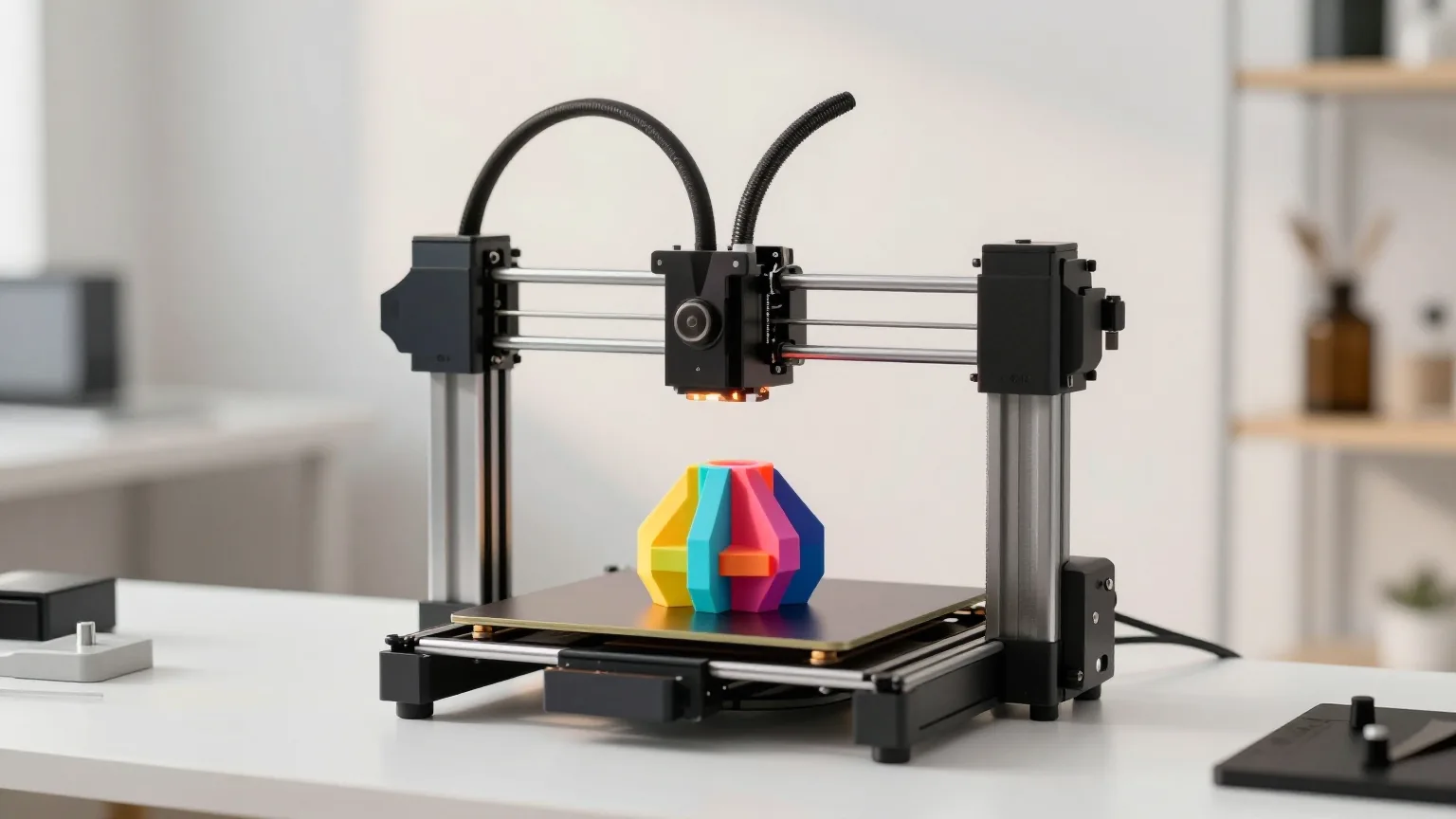
For over a decade, the standard for high-quality FDM printing was the single-extruder machine. It was simple, reliable, and relatively affordable. However, it came with significant limitations. If you wanted to print a part with two different materials, you needed a dual-extruder setup. If you wanted to print with dissolvable supports, you needed a specific configuration. If you wanted to print flexible TPU without clogging the hotend, you needed a specialized machine. The H3C changes this paradigm entirely. By introducing nine swappable PrintTools, Bambu Lab allows users to swap out the print head configuration on the fly [1].
This is not just a marketing buzzword. The "PrintTool" concept means that the core motion system, the bed, and the electronics remain constant, while the print head itself is a modular unit. You can have a tool designed for high-speed printing of PLA, another for high-temperature engineering plastics, and yet another specifically optimized for the low-temperature, high-flow requirements of TPU. This modularity reduces the risk of cross-contamination between materials and allows for specialized nozzle geometries for each material type. It is a significant leap forward from the fixed-geometry hotends of the past.
Mastering the Flexible: Native TPU Support
One of the most persistent pain points in the 3D printing community has been the printing of Thermoplastic Polyurethane (TPU). TPU is incredibly useful for applications ranging from phone cases to drone landing gear, but it is notoriously difficult to print on standard machines. The material is flexible, which means it can buckle in the feed path, causing jams and inconsistent extrusion. Traditional solutions have involved using special direct-drive extruders or even dedicated machines, often at a higher cost and with a smaller ecosystem of compatible filaments.
The H3C’s native support for ultra-soft TPU is a game-changer [1]. By integrating a print tool specifically designed for TPU, Bambu Lab has addressed the mechanical challenges at the source. This means that users no longer need to compromise on print speed or reliability when switching to flexible materials. The integrated filament management system likely plays a crucial role here, ensuring consistent tension and feed rates that are critical for flexible filaments. This feature alone could make the H3C the go-to machine for product developers and hobbyists who frequently work with flexible parts, eliminating the need for a separate, dedicated TPU printer.
The Nine Tools: A Deep Dive
So, what are these nine tools? While the specific names of each tool may vary, the general philosophy is clear: specialization. Based on early reviews and the launch details, the tool set appears to cover a wide spectrum of printing needs [1]. We can expect tools optimized for:
- High-Speed PLA/PETG: For general-purpose, high-volume printing where speed is paramount.
- High-Temperature Engineering Plastics: Tools with higher thermal mass and cooling capabilities for materials like ABS, PC, or PA.
- TPU/Flexible Materials: The dedicated flexible tool mentioned earlier, with specific feed mechanisms.
- Metal-Filled Composites: Tools with hardened nozzles to handle abrasive materials like carbon-filled or glass-filled filaments.
- Multi-Material Capabilities: Some tools may be designed to work with the integrated filament management system to handle multiple colors or materials in a single print job.
This level of specialization ensures that each material is printed under optimal conditions. Instead of a "one-size-fits-all" approach, the H3C offers a tailored experience for each material class. This is a significant advantage over machines with fixed hotends, which often have to compromise on settings to accommodate a wide range of materials.
Integrated Filament Management: The Unsung Hero
While the swappable tools are the headline feature, the integrated filament management system is the backbone that makes the H3C so powerful. In traditional multi-material setups, filament changes are often a manual, error-prone process. Filament can tangle, run out, or fail to retract properly, leading to failed prints and wasted time. The H3C’s integrated system automates this process, managing filament spools, tension, and switching with minimal user intervention [1].
This integration is particularly important when combined with the swappable tools. Imagine a scenario where you are printing a part that requires both a rigid structural component and a flexible hinge. With the H3C, the machine can automatically switch to the appropriate tool and filament, manage the transition, and continue printing without interruption. This level of automation is what separates the H3C from a simple multi-tool printer. It is a complete, self-contained production system.
Black Friday: A Timing That Speaks Volumes
The timing of the H3C launch cannot be overlooked. With Black Friday savings sweeping the printersphere, Bambu Lab has strategically positioned this launch to maximize its impact [1]. This is not just a coincidence; it is a calculated move to capture a large portion of the market during the holiday season. For many makers, Black Friday is the only time they can justify the purchase of a high-end machine. By launching the H3C during this period, Bambu Lab is offering a unique combination of cutting-edge technology and attractive pricing.
This strategy is effective for several reasons. First, it creates a sense of urgency, encouraging potential buyers to make a decision before the deals expire. Second, it allows Bambu Lab to generate significant buzz and social media engagement, as users share their purchases and first impressions. Finally, it helps to establish the H3C as the "it" machine of the holiday season, potentially overshadowing competitors who are not launching new products during this period. For consumers, this means that the barrier to entry for this level of technology is lower than it would be at any other time of the year.
Competitive Landscape: How the H3C Stands Out
To understand the significance of the H3C, it is helpful to look at the broader competitive landscape. In 2026, the 3D printing market is more crowded than ever. Companies like Creality, Prusa, and Flashforge are all pushing the boundaries of what is possible, with innovations ranging from AI-assisted design to low-waste multicolor printing [5]. However, few machines offer the level of modularity and material versatility that the H3C provides.
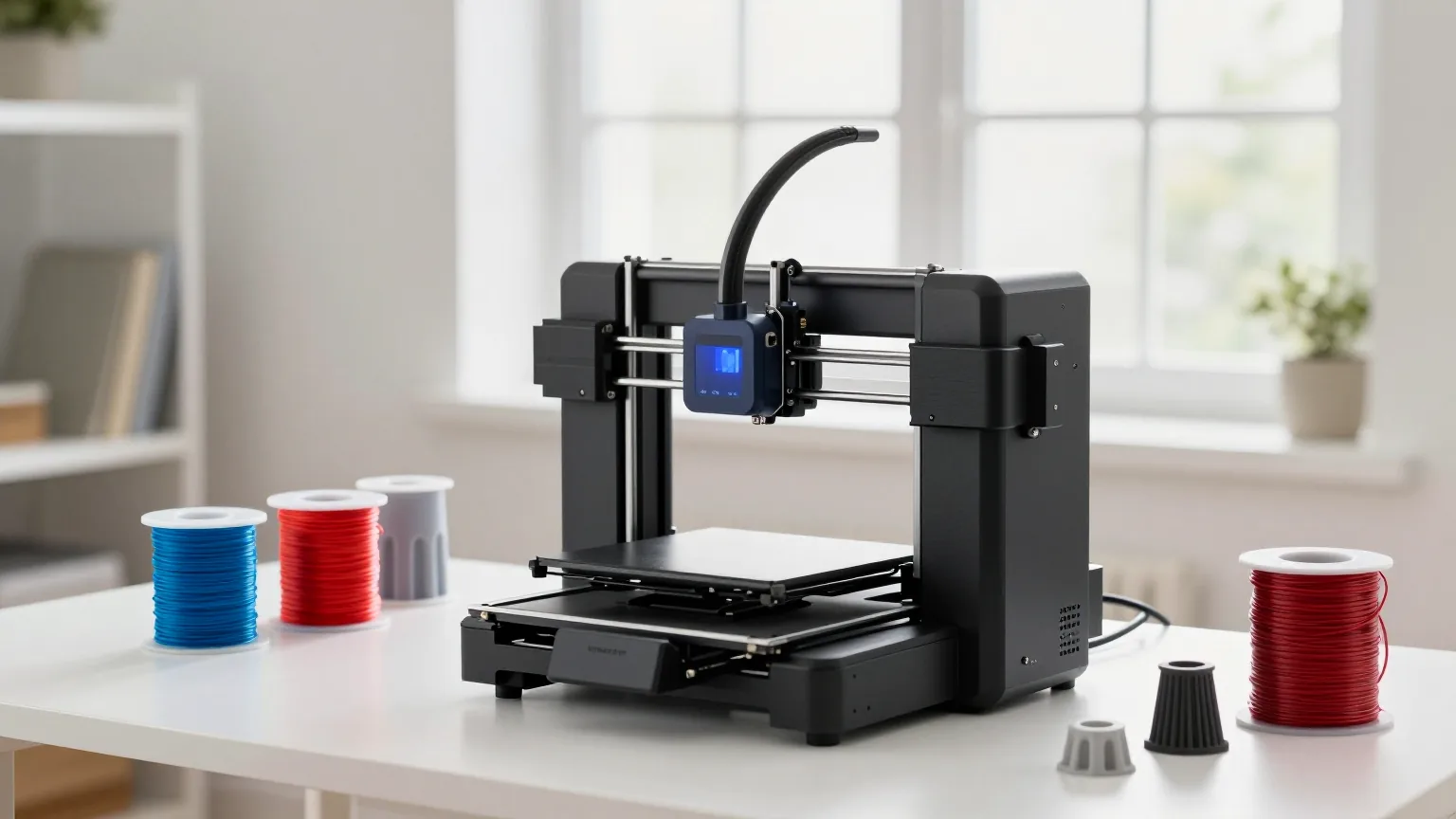
Prusa, for example, has made significant strides in open-source hardware and community support, as seen in their use of the CORE One L for printing spare parts and mounts [2]. However, their focus has been more on reliability and community engagement rather than the kind of aggressive modularity that Bambu Lab is offering. Flashforge, on the other hand, has been pushing the boundaries of speed and precision, but their machines are often less flexible in terms of material compatibility. The H3C’s nine-tool system and native TPU support give it a distinct advantage in terms of versatility. It is not just a fast printer; it is a versatile production tool.
Cultural Context: The Maker Movement in 2026
The launch of the H3C also reflects broader cultural trends in the maker movement. In 2026, the maker community is no longer just about hobbyists printing keychains and phone stands. It is about professionals, engineers, and even public institutions using 3D printing to solve real-world problems. For example, The New Raw has 3D printed Buoy, a series of swinging public seats made from discarded Rotterdam harbour rope recycled in the Netherlands [2]. This project demonstrates the potential of 3D printing to create sustainable, artistic, and functional objects from recycled materials.
Similarly, Prague’s central fire station uses a Prusa CORE One L to print its own mounts, door wedges, and spare parts, saving around 90% of the time and cost associated with traditional manufacturing [2]. These examples show that 3D printing is moving beyond the hobbyist sphere and into the realm of practical, everyday applications. The H3C, with its versatility and reliability, is perfectly positioned to serve these emerging use cases. It can print the rigid mounts needed for industrial applications, the flexible parts needed for consumer products, and the high-temperature components needed for engineering projects, all on a single machine.
Modern Applications: From Turbojets to Cruise Missiles
The applications of the H3C extend far beyond the home workshop. In the defense and aerospace sectors, 3D printing is becoming an increasingly important tool for rapid prototyping and production. For instance, Aurora Labs has secured A$6 million, with engineering group Walkinshaw as a strategic investor, to expand production of its 3D printed turbojets [2]. This investment highlights the growing confidence in additive manufacturing as a viable production method for complex, high-performance components.
Even more strikingly, the US Army is set to use 3D-printed rocket motors for low-cost cruise missiles, with X-Bow Systems tapped to 3D-print the motors [3]. This application demonstrates the potential of 3D printing to reduce costs and increase the speed of production for critical defense systems. While the H3C is not designed for printing rocket motors, its ability to handle a wide range of materials and its high level of automation make it a valuable tool for prototyping and small-batch production in these sectors. The lessons learned from these high-stakes applications are trickling down to the consumer market, driving improvements in reliability, speed, and material compatibility.
Technical Insights: Why TPU Was So Hard
For those who are curious about the technical challenges of printing TPU, it is worth diving a bit deeper. TPU is a thermoplastic polyurethane, which means it is a type of plastic that becomes pliable or moldable above its glass transition temperature and hardens below it. However, unlike rigid plastics like PLA or ABS, TPU remains flexible even when cooled. This flexibility is what makes it useful, but it also makes it difficult to print.
The main challenge is that TPU can stretch and buckle in the feed path, causing the extruder to lose grip and fail to extrude material consistently. This can lead to under-extrusion, layer adhesion issues, and even complete jams. Traditional solutions have involved using direct-drive extruders, which have a shorter feed path and are less prone to buckling. However, even with direct-drive extruders, TPU can be difficult to print at high speeds. The H3C’s dedicated TPU tool likely uses a combination of a specialized extruder, a heated feed path, and precise tension control to overcome these challenges. This allows for consistent, high-speed printing of TPU, which was previously difficult or impossible on many machines.
The Future of Modular Printing
The H3C is likely just the beginning of a new era in modular 3D printing. As more manufacturers adopt the tool-changer approach, we can expect to see a wider range of specialized tools for different materials and applications. For example, we might see tools designed specifically for bioprinting, metal printing, or even multi-material printing with more than two colors. The H3C’s success will likely drive further innovation in this area, leading to even more versatile and capable machines.
Additionally, the integration of AI and machine learning into 3D printing is likely to play a growing role in the future. AI-assisted design tools are already becoming more common, allowing users to optimize their designs for 3D printing with minimal effort [5]. In the future, we can expect to see AI algorithms that automatically select the optimal tool and settings for a given print job, further simplifying the user experience. The H3C’s modular design is well-suited to this kind of automation, as the machine can easily switch between tools based on the AI’s recommendations.
Conclusion: A New Standard for Versatility
The launch of the Bambu Lab H3C is a significant milestone in the history of 3D printing. By combining nine swappable PrintTools, an integrated filament management system, and native support for ultra-soft TPU, Bambu Lab has created a machine that is not just a printer, but a complete production system [1]. Its launch during Black Friday, with savings sweeping the printersphere, makes it an even more attractive option for makers, professionals, and institutions alike [1].
The H3C represents a shift from the single-extruder era into a new age of modular versatility. It addresses many of the pain points that have plagued the 3D printing community for years, such as the difficulty of printing TPU and the lack of material versatility. It also reflects broader trends in the maker movement, as 3D printing becomes an increasingly important tool for solving real-world problems in fields ranging from public art to defense [2][3].
As we look to the future, it is clear that the H3C will play a significant role in shaping the next generation of 3D printing technology. Its success will likely drive further innovation in modular design, material compatibility, and automation. For those looking to invest in a high-end 3D printer, the H3C is a compelling option. It offers a level of versatility and capability that is unmatched by any other machine on the market. And with Black Friday deals available, now is the perfect time to make the jump.
So, what are you waiting for? Whether you are a hobbyist looking to expand your capabilities, a professional in need of a versatile production tool, or an institution looking to streamline your manufacturing processes, the H3C is worth considering. Dive into the details, explore the Black Friday deals, and see if the H3C is the right machine for you. The future of 3D printing is modular, versatile, and here. Are you ready to join it?