3D Printed Wind Turbines: How AM Cuts Offshore Costs
Imagine a world where the massive, white giants spinning offshore are not just assembled from thousands of heavy, separate parts, but are grown, layer by layer, from a single, continuous stream of material. It sounds like science fiction, doesn't it? Yet, as we stand in late 2026, this is rapidly becoming the new reality for the global energy sector. The offshore wind industry, long plagued by skyrocketing supply chain costs and logistical nightmares, is finding its savior in an unlikely place: additive manufacturing, or 3D printing. It’s not just about making things faster; it’s about fundamentally rewriting the physics of how we build the machines that power our future.
The Offshore Wind Cost Crisis
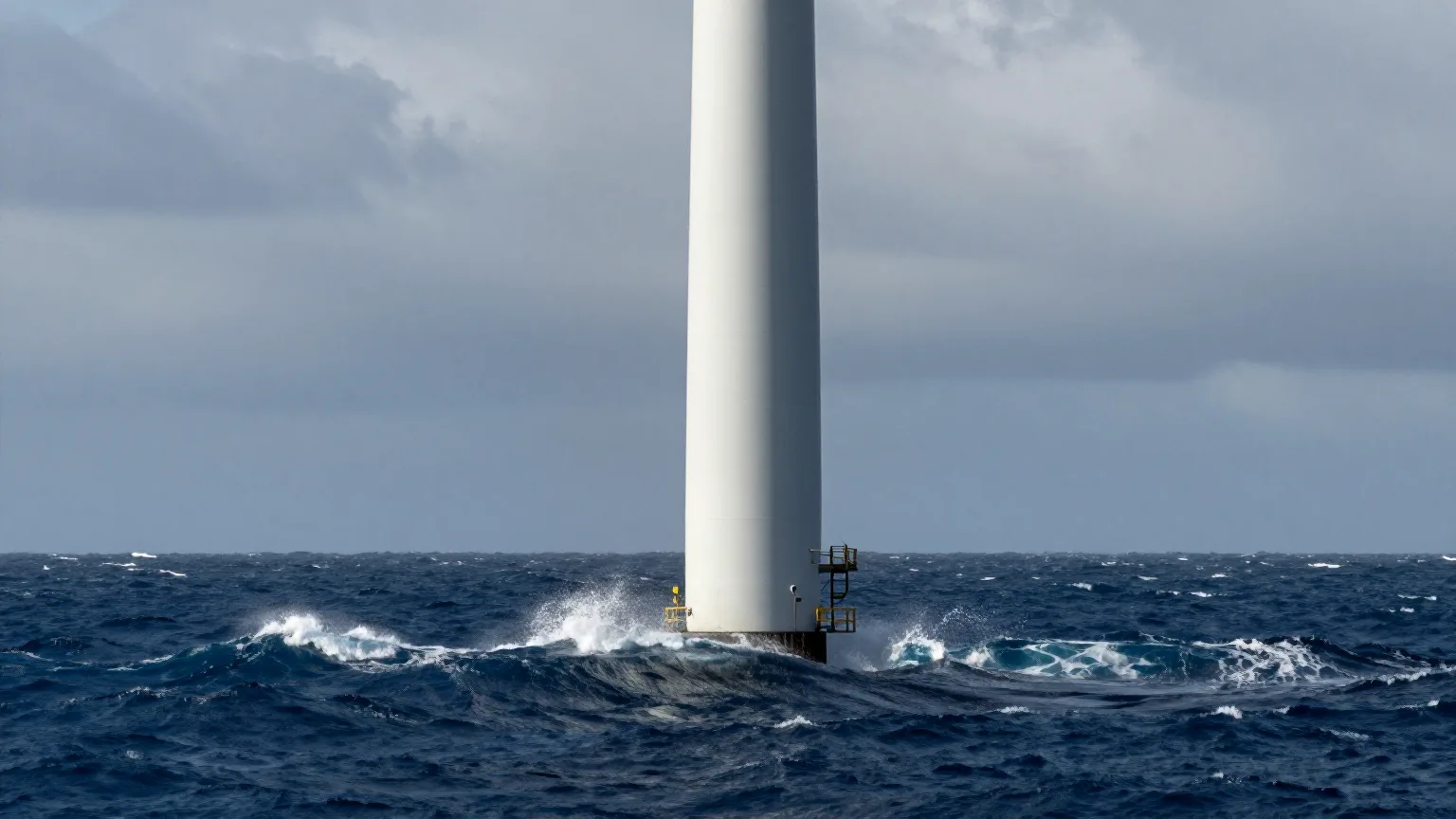
To understand why 3D printing is such a game-changer, we first need to appreciate the sheer scale of the problem. Offshore wind is often hailed as the cleanest and most consistent renewable energy source available. However, it has historically been the most expensive to deploy. Why? Because the ocean is a hostile environment for logistics. Every bolt, every blade, and every nacelle component must be transported by barge to remote locations, often in challenging weather conditions. Every day a vessel sits idle due to bad weather is money burning in the project’s budget.
Recent reports from major news outlets highlight the persistent pressure on developers to reduce the "Levelized Cost of Energy" (LCE) [1]. The cost of the turbine itself, particularly the gearbox and the rotor, has become a bottleneck. Traditional manufacturing methods, while proven, are inherently inefficient when dealing with complex geometries. They require massive molds, extensive machining, and the transportation of heavy intermediate components. It is a process that leaves a lot of material waste and labor hours on the table. Enter 3D printing, which promises to turn that inefficiency into a competitive advantage.
What is Additive Manufacturing in This Context?
For those unfamiliar with the term, Additive Manufacturing (AM) is the broad term for 3D printing. Unlike traditional "subtractive" methods, where you start with a large block of metal and cut away everything you don’t need, AM builds objects layer by layer from digital files. In the context of wind turbines, we are talking about large-scale metal 3D printing. We are not printing plastic prototypes here; we are printing high-strength steel, titanium, and nickel superalloys that can withstand the immense forces of the ocean.
The technology allows engineers to design parts with internal structures that would be impossible to create using traditional casting or machining. Think of it as the difference between building a house by carving a block of marble and building one by stacking bricks. The latter allows for much more flexibility in design and far less waste. In the wind industry, this means lighter parts, stronger connections, and a supply chain that can be localized near the assembly site rather than relying on global shipping networks.
Printing the Giants: The Nacelle Revolution
The nacelle is the box at the end of the wind turbine’s tower that houses the gearbox, generator, and control electronics. It is one of the heaviest and most complex components of the entire machine. Traditionally, the main housing of the nacelle is cast from large blocks of steel, a process that is energy-intensive and prone to defects. 3D printing allows for the creation of the nacelle housing in a single piece, or in fewer, larger pieces, significantly reducing the number of welds required. Welds are potential points of failure, so fewer of them mean a more robust structure.
Companies have been experimenting with printing the main structural frame of the nacelle. By using powder bed fusion, where a laser melts metal powder layer by layer, engineers can create lattice structures inside the frame. These lattices provide maximum strength with minimum weight. This weight reduction is critical for offshore turbines, as lighter components require smaller foundations and less energy to transport and install. It’s a bit like the difference between carrying a solid iron bar and a honeycomb structure of the same dimensions; the honeycomb is just as strong but much lighter. This efficiency is what is driving the current wave of innovation in the sector [4].
Blades: The Aerodynamic Game Changer
If the nacelle is the engine, the blades are the wings. And in the world of wind energy, the blades are where the magic happens. Traditional blade manufacturing involves laying down layers of fiberglass or carbon fiber in a mold. It’s a labor-intensive process that takes weeks to complete. 3D printing offers a different approach. Researchers and manufacturers are now developing techniques to print blade molds themselves, and in some cases, the blade components directly.
One of the most exciting developments is the use of 3D printing to create variable geometry blades. Traditional blades have a fixed shape, but 3D printed blades can have internal channels and structures that allow for slight adjustments in their shape during operation. This can optimize the angle of attack to the wind, capturing more energy in low-wind conditions and reducing stress in high-wind conditions. It’s like giving the turbine the ability to "tune" its wings in real-time, much like an aircraft adjusts its flaps. This level of customization is virtually impossible with traditional mass-production methods, but it is a natural fit for the flexible nature of additive manufacturing [5].
Logistics: The Hidden Killer
Let’s talk about the boring but crucial part of offshore wind: logistics. The cost of transporting a 100-ton blade from a factory in Denmark to a site off the coast of Texas is a nightmare for project managers. It requires specialized vessels, careful planning, and a lot of good weather luck. 3D printing disrupts this by enabling "distributed manufacturing." Instead of building everything in one central factory and shipping it out, you can place large-scale 3D printers directly on the offshore platform or on a nearby barge.
This concept, known as "on-site manufacturing," allows for the printing of spare parts or even entire components as needed. If a gearbox housing cracks, you don’t wait six weeks for a replacement to be shipped. You print a new one in a few days. This drastically reduces the downtime of the turbine and the associated loss of revenue. It transforms the supply chain from a long, fragile line into a robust, localized network. This shift is being increasingly discussed in industry forums as a key strategy for reducing the overall lifecycle cost of offshore wind farms [2].
Material Science: Beyond Steel
3D printing isn’t just about using the same materials in a new way; it’s about unlocking new materials. Traditional casting and forging are limited in the types of alloys they can work with. AM allows for the use of superalloys and composites that have exceptional resistance to corrosion and fatigue. For offshore turbines, which are constantly exposed to salt spray and harsh weather, material durability is paramount.
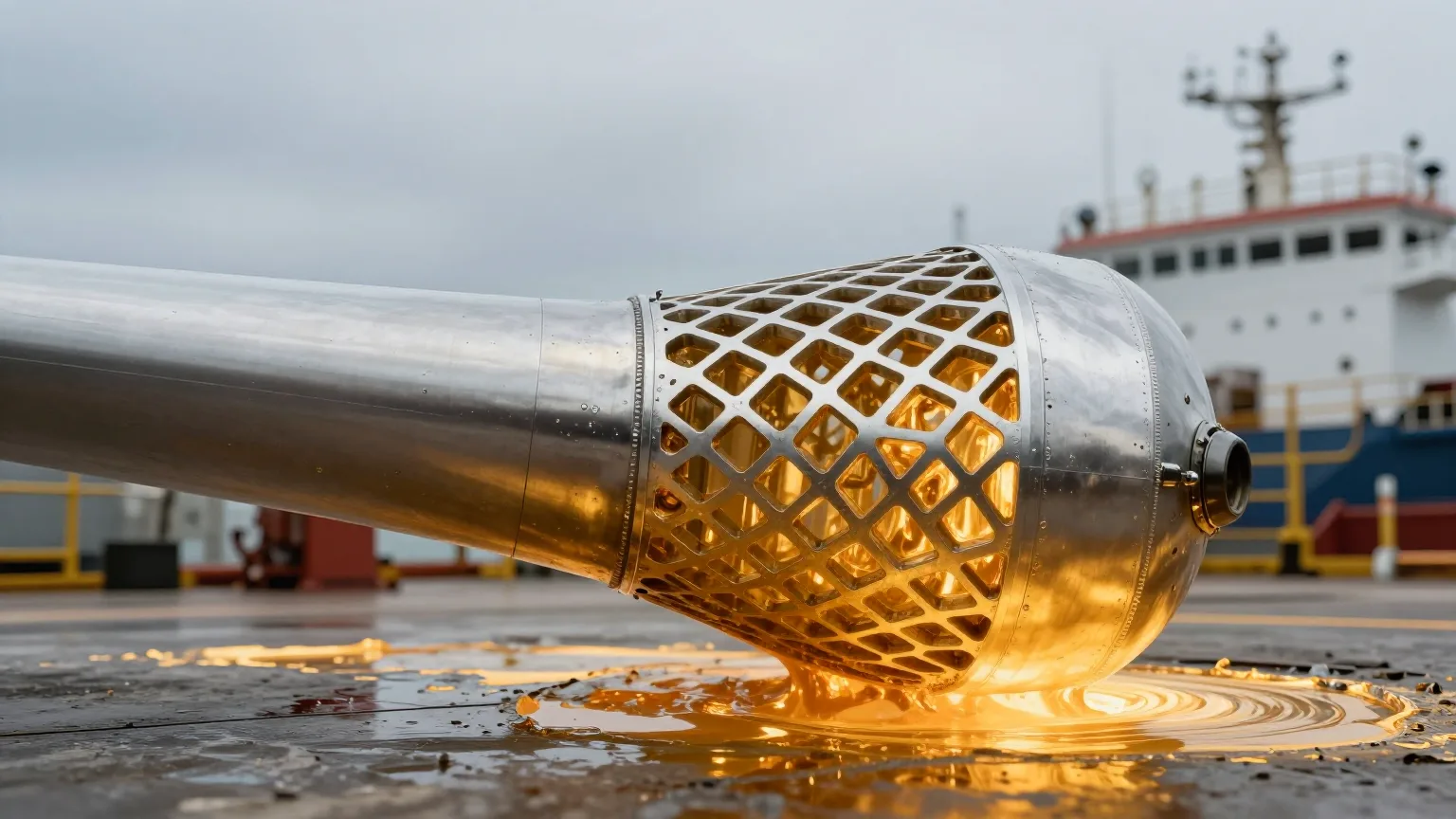
Engineers are now experimenting with printing parts using titanium-aluminum-vanadium alloys, which offer a superior strength-to-weight ratio compared to traditional steel. These materials are expensive, but when you factor in the reduced weight, the improved performance, and the longer lifespan, the economics start to make sense. Furthermore, AM allows for "functionally graded" materials, where the composition of the part changes from one layer to the next. For example, a blade root might be made of a highly wear-resistant alloy, while the tip is made of a lighter, more flexible material. This level of material optimization is a unique advantage of 3D printing that traditional methods simply cannot match [3].
Sustainability: The Green Side of Green Energy
It would be ironic if the technology that powers our green energy future was itself a major contributor to carbon emissions. Fortunately, 3D printing is often more sustainable than traditional manufacturing. It uses only the material needed for the part, resulting in near-zero waste. Traditional machining can waste up to 90% of the raw material. In AM, that waste is virtually non-existent. Additionally, the ability to print parts on-site reduces the carbon footprint associated with transportation.
Furthermore, the longevity of 3D printed parts is impressive. Because they can be designed with optimized stress distribution, they often outlast their traditionally manufactured counterparts. This means fewer replacements and less material consumption over the life of the turbine. As the world moves towards a circular economy, the ability to recycle 3D printed metal parts is also becoming more feasible. The metal powder used in AM can be collected and reused, creating a closed-loop manufacturing system. This aligns perfectly with the sustainability goals of the renewable energy sector [1].
Challenges and Hurdles
Of course, it’s not all smooth sailing. 3D printing large-scale metal components comes with its own set of challenges. One of the biggest is scalability. While we can print small parts with high precision, printing a 10-meter blade or a 50-ton nacelle housing requires massive printers and long print times. A single large component can take weeks to print, which is a significant bottleneck for mass production. The industry is working on developing larger, faster printers, but there is still a long way to go.
Another challenge is quality control. 3D printed parts can have internal defects, such as porosity or cracks, that are difficult to detect without expensive inspection methods like X-ray or ultrasound. For safety-critical components like wind turbine gears, these defects are unacceptable. The industry is developing new inspection techniques and process controls to ensure that 3D printed parts meet the same high standards as traditionally manufactured ones. Certification bodies are also still catching up, and getting 3D printed parts certified for use in critical infrastructure is a slow and complex process [4].
Case Studies: Who is Leading the Way?
Several companies are at the forefront of this revolution. One notable example is the collaboration between wind turbine manufacturers and AM specialists to print gearbox components. These components are highly complex and traditionally difficult to machine. By using 3D printing, they have reduced the number of parts from dozens to just a few, simplifying assembly and maintenance. Another example is the use of 3D printing to create custom molds for blade manufacturing. This allows for rapid prototyping and testing of new blade designs, significantly shortening the development cycle.
In Europe, where offshore wind is a major priority, several pilot projects are underway to test 3D printed components in real-world conditions. These projects are providing valuable data on the performance and durability of 3D printed parts in the harsh offshore environment. The results so far have been promising, with many projects reporting reduced costs and improved reliability. As these projects mature, we can expect to see more widespread adoption of 3D printing in the wind industry [5].
The Future: Intelligent Turbines
Looking ahead, the integration of 3D printing with other technologies is opening up exciting possibilities. Imagine wind turbines with 3D printed sensors embedded directly into the structure. These sensors could monitor the health of the turbine in real-time, detecting potential failures before they occur. This would enable predictive maintenance, reducing downtime and extending the life of the turbine. 3D printing allows for the integration of these sensors in a way that is seamless and invisible, something that is difficult to achieve with traditional manufacturing.
Furthermore, the use of 3D printing could enable the creation of "smart" blades that can change their shape in response to wind conditions. This would require the use of shape-memory alloys or other advanced materials that can be printed with high precision. The potential for this technology is enormous, and it could lead to a new generation of wind turbines that are more efficient, reliable, and adaptable than anything we have seen before. The convergence of AM, AI, and materials science is creating a perfect storm of innovation in the energy sector [2].
Conclusion: The Wind of Change
As we look towards the latter half of the 2020s, it is clear that 3D printing is not just a niche technology for hobbyists and prototyping. It is a fundamental shift in how we build the infrastructure of the future. For the offshore wind industry, it offers a path to reducing costs, improving efficiency, and enhancing sustainability. It is a technology that can help us meet our climate goals without compromising on economic viability.
The challenges are real, but the opportunities are even greater. As the technology matures and the industry scales up, we can expect to see 3D printed components becoming a standard part of the wind turbine supply chain. This will not only benefit the wind industry but also serve as a model for other sectors that are looking to modernize their manufacturing processes. The wind of change is blowing, and 3D printing is at the heart of it.
Call to Action: If you are an engineer, a policymaker, or simply someone interested in the future of energy, now is the time to pay attention to the additive manufacturing revolution. Follow the developments in this space, support the companies that are pushing the boundaries of what is possible, and advocate for policies that encourage the adoption of new technologies. The future is being printed, layer by layer, and we all have a role to play in shaping it.