Prusa Patched: How a Hacker Rickrolled 3D Printers via RCE
Imagine this: you are sitting at your desk, watching the progress bar of a complex, multi-hour 3D print. The machine is humming, the extruder is clicking rhythmically, and everything seems perfect. Suddenly, your printer stops. The screen flickers. Instead of the status message you expect, a video of Rick Astley begins to play on the printer’s interface, accompanied by the iconic "Never Gonna Give You Up" melody. You haven’t just had a malfunction; you have been Rickrolled. And not just by a prankster in the room, but by a remote code execution (RCE) vulnerability that allowed a software engineer to hijack your hardware from miles away.
While this sounds like a plot from a cyber-thriller movie, it is a very real security incident that recently made headlines in the 3D printing community. As our workshop machines become increasingly connected to the internet, the line between a manufacturing tool and a smart device blurs, bringing with it a new class of vulnerabilities. This incident, involving Prusa Research, serves as a critical wake-up call for the entire additive manufacturing industry. It highlights the urgent need for security hygiene in a field that has historically prioritized mechanical innovation over software security.
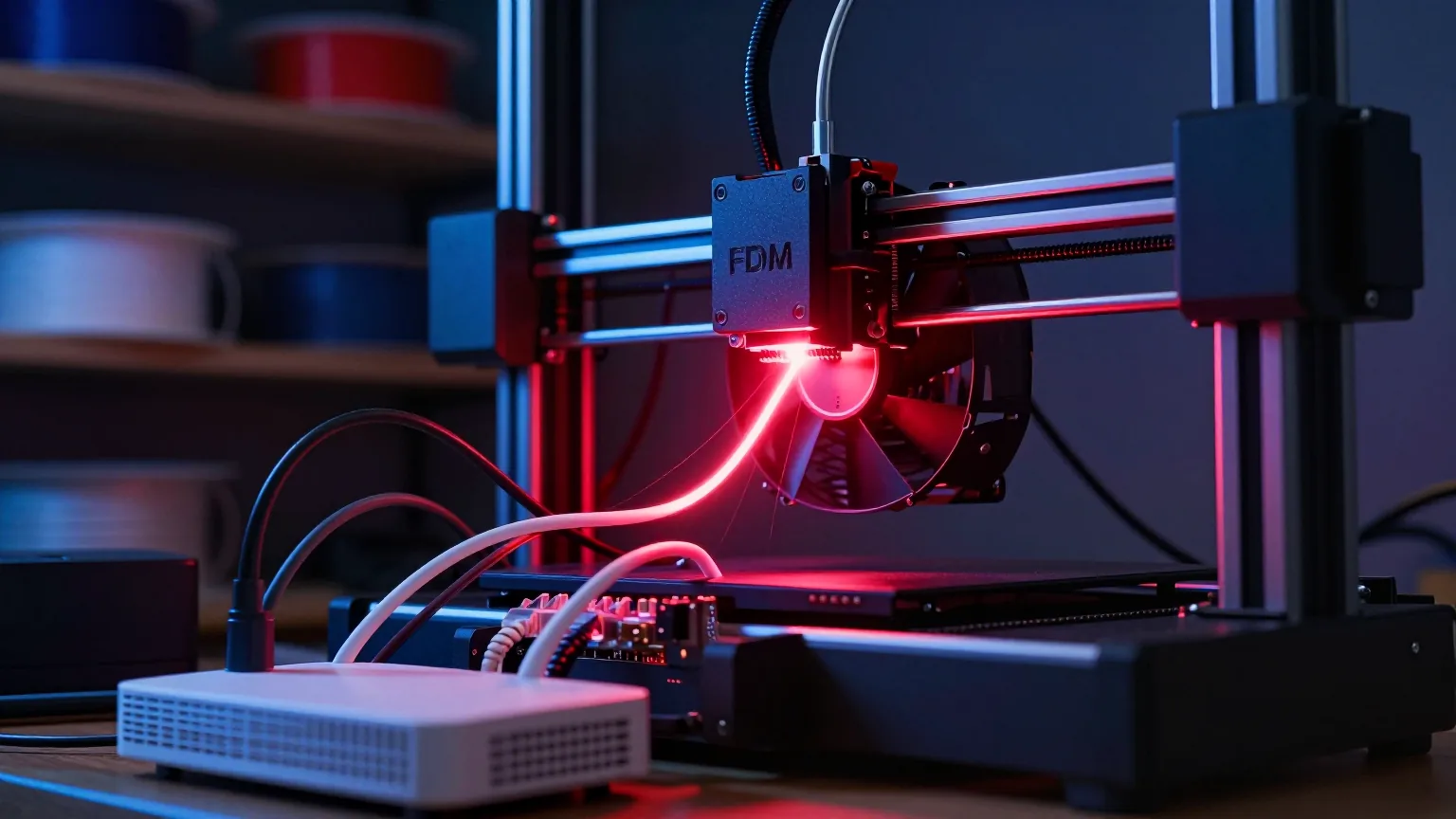
The Anatomy of a Digital Heist
To understand why this event is significant, we first need to unpack what actually happened. A software engineer demonstrated the ability to exploit a security flaw in the latest Prusa software. This flaw was classified as a Remote Code Execution (RCE) vulnerability. In simple terms, RCE allows an attacker to execute arbitrary code on a remote computer without prior legitimate user interaction.
In the context of a 3D printer, this is dangerous. A 3D printer is not just a computer; it is a computer with moving parts, heating elements, and high-voltage connections. If an attacker can take control of the printer's operating system, they can potentially stop the print, alter the G-code, disable safety features, or, as demonstrated in this case, play a video on the screen. The Prusa incident was not just about annoyance; it was a proof of concept that these devices are not isolated islands. They are nodes in a network, and if one node is weak, the entire network is at risk. The company has since fixed this flaw in the latest software updates, but the lesson remains: if it is connected, it is hackable [4].
The Rise of the "Smart" Printer
The 3D printing industry has undergone a massive transformation in the last decade. We have moved from the era of the "hacker box," where users manually uploaded G-code via USB and monitored prints through a simple LCD screen, to the era of the "smart printer." Modern machines, including those from Prusa, Bambu Lab, and Creality, come equipped with Wi-Fi capabilities, cloud connectivity, and even artificial intelligence features for error detection [1].
This shift was driven by convenience. Users wanted to start prints from their phones, receive notifications when a job was finished, and access a library of models directly from the manufacturer’s cloud. However, every new feature that adds convenience also adds an attack surface. When a printer connects to the internet to check for updates or sync data, it opens a door that was previously closed. The more "smart" the printer becomes, the more it resembles a smart TV or a smart fridge, devices that have historically been notorious for poor security practices. The Prusa incident is a stark reminder that in the race to innovate, security cannot be an afterthought [4].
Why RCE is a Nightmare for Manufacturers
Remote Code Execution is considered one of the most severe types of vulnerabilities in cybersecurity. Unlike a simple bug that might crash a program, an RCE flaw gives the attacker full control over the system. For a consumer device, this might mean data theft. For an industrial 3D printer, the implications are far more severe. Consider a scenario where a factory is using a network of metal 3D printers to produce critical aerospace components. If an attacker gains RCE access to one of these machines, they could potentially alter the build parameters. They might change the laser power, the layer height, or the feed rate, resulting in a part that looks perfect on the outside but is structurally compromised on the inside.
As the industry moves toward large-scale industrial applications, such as the 12,649-square-foot exhibition and training center currently being printed by ICON for ASCO Equipment, the stakes are higher than ever [2]. In such projects, the printed walls carry a steel superstructure. A compromised printer that alters the material density or the bonding strength of the concrete could lead to catastrophic structural failures. The post-processing and inspection steps that follow the print are crucial, but they cannot fix a part that was built with maliciously altered parameters [3]. Therefore, the security of the printer itself is as critical as the precision of its mechanics.
The Human Element: Why We Love to Prank
Let’s take a step back and appreciate the cultural context of the "Rickroll." The Rickroll is one of the internet’s most enduring memes, dating back to the early 2000s. It is a harmless, humorous prank that involves luring someone into clicking a link that leads to the music video for "Never Gonna Give You Up." It is a symbol of digital playfulness and community.
When a hacker uses this specific meme to demonstrate a serious security flaw, it creates a dissonance that is both amusing and unsettling. It suggests that the attacker may have been a white-hat hacker or a security researcher who wanted to demonstrate the vulnerability in a non-threatening, memorable way. Or, it could be a sign that the line between "prank" and "attack" is becoming increasingly thin. In the past, hacking was often associated with political activism or cyber-warfare. Today, it is also associated with digital art, social engineering, and playful disruption. The fact that this RCE was used for a Rickroll rather than to steal data or destroy hardware is a relief, but it does not diminish the severity of the underlying vulnerability. It simply highlights the creativity of modern attackers [4].
Comparing the Landscape: Who Else is Vulnerable?
Is Prusa alone in this vulnerability? Almost certainly not. The 3D printing industry is fragmented, with thousands of manufacturers ranging from massive corporations like Creality and Bambu Lab to small boutique firms. Many of these companies are hardware-first organizations that have only recently begun to invest in software and cloud services. This transition period is a breeding ground for security flaws.
For example, the growing field of kid-focused machines, such as Creality’s mBox and Toybox’s Luna, presents an even more concerning risk profile [1]. These printers are often used in schools and homes by children who may not understand the risks of connecting a device to an unsecured Wi-Fi network. If a kid-focused printer is compromised, the attacker could potentially access the local network, putting other devices at risk. Furthermore, if these printers are used in educational settings, a security breach could expose the personal data of students and teachers. The Prusa incident serves as a benchmark for the entire industry: if a leader like Prusa, known for its open-source ethos and community support, can be vulnerable to RCE, then no one is safe [4].
The Industrial Context: Beyond the Hobbyist
While hobbyists might only lose a few hours of print time and their dignity, the industrial implications of printer hacking are vast. The additive manufacturing sector is increasingly being integrated into critical supply chains. Companies are using 3D printing to produce spare parts for machinery, medical implants, and even architectural structures. The news from 3dprinting.com highlights that ICON has begun 3D printing a large-scale exhibition center, with printed walls carrying a steel superstructure [2]. This is not a toy; it is infrastructure.
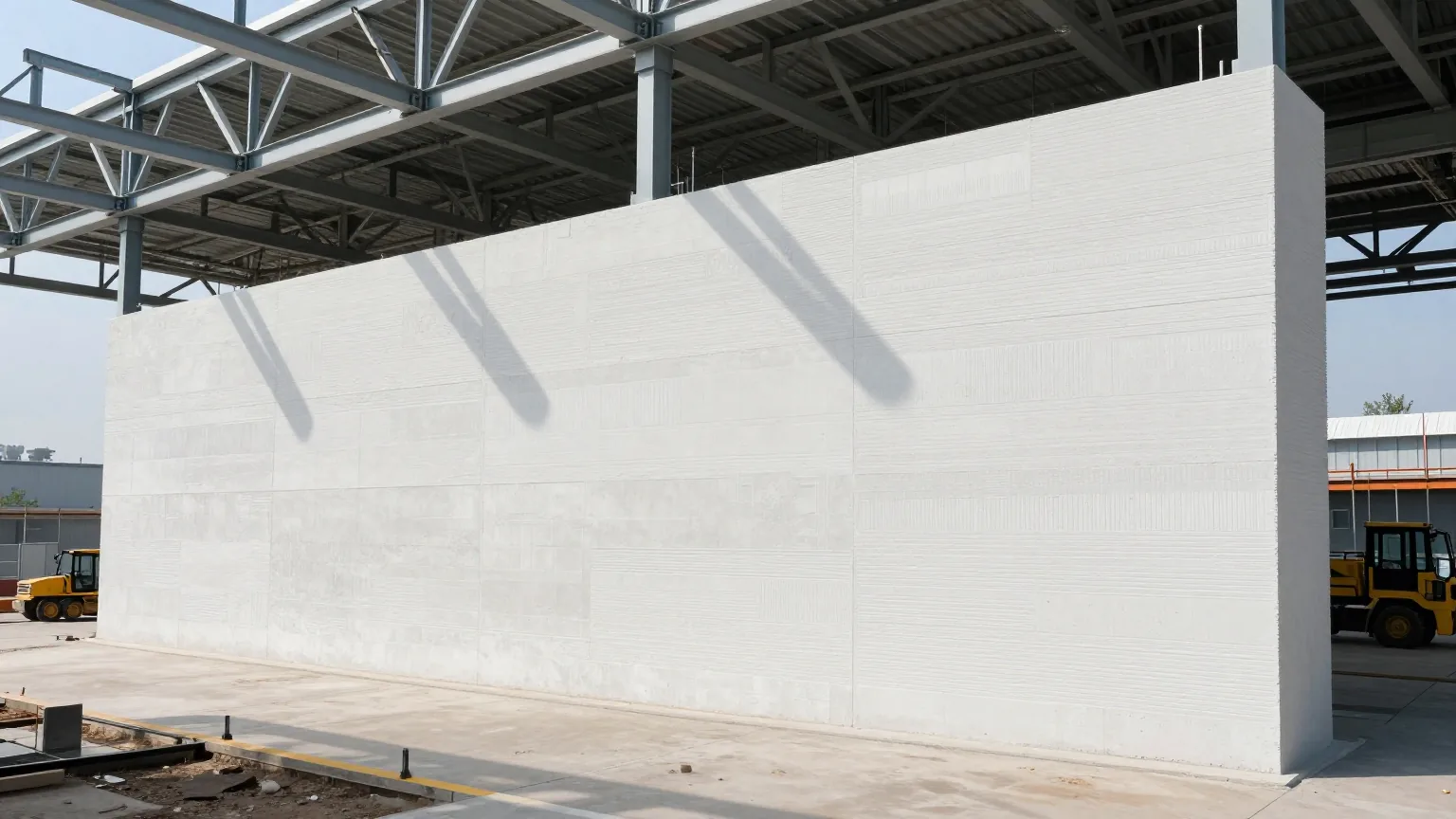
In these high-stakes environments, the process rarely ends at the printer. As noted by 3D Printing Industry, the printed piece enters a chain of post-processing and inspection steps [3]. However, if the initial print is compromised by a hacked printer, these downstream steps may not detect the issue if the structural integrity was subtly altered during the build process. For instance, in Wire Arc Additive Manufacturing (WAAM), companies like ABS and Radian Forge are testing whether process settings, sensor data, and material tests can be used to qualify metal parts [2]. If the sensor data is manipulated by a hacker, the qualification process will fail to catch the defect. This underscores the need for secure, tamper-proof data logs that can verify the integrity of the entire manufacturing process from start to finish.
Lessons from the Past: The IoT Security Blunder
The 3D printing community is not the first to fall into the trap of prioritizing connectivity over security. We can look to the history of the Internet of Things (IoT) for lessons. In 2016, the Mirai botnet hijacked hundreds of thousands of insecure IP cameras and routers, launching a massive Distributed Denial of Service (DDoS) attack against Dyn, a major domain name system provider. This attack brought down major websites, including Twitter, Netflix, and Spotify, for hours.
The Mirai botnet exploited weak default passwords and open telnet ports on consumer devices. Similarly, 3D printers often come with default credentials or open ports for remote access. If manufacturers do not force users to change these credentials or encrypt their communications, they are inviting trouble. The Prusa RCE incident is a modern echo of these past failures. It reminds us that security is not a feature that can be bolted on at the end of the product cycle; it must be designed into the system from the very beginning. As the number of connected 3D printers grows, the potential for a "Mirai" event in the 3D printing industry becomes a real possibility, with attackers using compromised printers to launch attacks on other networks or to spread malware [4].
How to Protect Your Printer: A Practical Guide
So, what can you do to protect your 3D printer from becoming the next victim of a hack? While you cannot control the code that the manufacturer writes, you can take several steps to minimize your risk. First and foremost, keep your software updated. When Prusa released a patch for the RCE vulnerability, users who ignored the update remained exposed [4]. Manufacturers regularly release security patches, and ignoring them is an invitation for trouble.
Second, isolate your printer on a separate network. If possible, do not connect your 3D printer to the same Wi-Fi network as your personal laptops, phones, and smart home devices. Create a dedicated guest network for IoT devices, including your printer. This way, even if your printer is compromised, the attacker cannot easily pivot to your more sensitive devices. Third, change all default passwords. If your printer allows you to set a Wi-Fi password or a user account password, do not leave it as "admin" or "1234." Use a strong, unique password. Finally, be cautious with third-party plugins or cloud services. Only use official, well-vetted services provided by your manufacturer. Avoid installing unknown firmware or plugins from untrusted sources, as these are common vectors for malware.
The Role of the Community in Security
The 3D printing community is known for its collaborative and open-source spirit. This culture is a strength, but it also presents unique security challenges. Open-source hardware allows for transparency and innovation, but it also means that the code is public, making it easier for bad actors to identify vulnerabilities. However, the community also has a built-in system of peer review and rapid response. When the Prusa RCE vulnerability was discovered, the community quickly shared information, and the fix was disseminated widely [4].
This rapid response is a testament to the power of community. In a proprietary, closed-source environment, a vulnerability might remain hidden for months, allowing attackers to exploit it in the dark. In the open-source 3D printing world, information flows freely, and patches are developed quickly. However, this also means that users must stay informed. Follow news sources like All3DP, 3D Printing Industry, and Tom’s Hardware to stay up to date on security advisories [1][3][4]. Engage in forums and communities where users share tips on securing their setups. By working together, the community can create a more secure ecosystem for everyone.
Future-Proofing: What Comes Next?
As we look to the future, the 3D printing industry must evolve its approach to security. We can expect to see more advanced security features in upcoming printers, such as hardware-based encryption, secure boot processes, and automated vulnerability scanning. Manufacturers will likely begin to offer security certifications, similar to those seen in the automotive and medical device industries. For industrial users, this will be a requirement, not an option.
Furthermore, we may see the emergence of "security-as-a-service" for 3D printing farms. Companies that operate large numbers of printers will need specialized security teams to monitor their networks and detect anomalies. This could lead to new business models where cybersecurity firms partner with 3D printing manufacturers to provide end-to-end security solutions. The goal is to create a trusted environment where users can rely on their printers to produce high-quality parts without worrying about malicious interference. The Prusa incident is a milestone in this journey, marking the moment when the industry began to take security seriously [4].
Conclusion: A Call to Action for Makers
The story of the Rickrolled 3D printer is more than just a funny anecdote; it is a pivotal moment in the history of additive manufacturing. It highlights the dual nature of our connected tools: they are powerful, creative machines that can bring our ideas to life, but they are also vulnerable nodes in a vast digital network that can be exploited by malicious actors. The fact that this vulnerability was used for a harmless prank is a blessing, but it should not lull us into a false sense of security. The next attacker may not be so kind.
As makers, engineers, and enthusiasts, we have a responsibility to secure our tools. We must demand better security practices from our manufacturers, keep our software updated, and educate ourselves on the risks of connected devices. The 3D printing industry is on the verge of a major transformation, moving from hobbyist workshops to industrial heartlands. In this new era, security is not just an IT issue; it is a core engineering requirement. Let us learn from the Rickroll. Let us never give up on security. Let us build a future where our 3D printers are not just smart, but also safe.
Call to Action: Check your 3D printer’s firmware version today. If it is not up to date, update it immediately. Review your network settings and isolate your printer if possible. Share this article with your local 3D printing club or online community to raise awareness about the importance of device security. Together, we can ensure that the next surprise from our printers is a perfectly printed object, not a song we can’t escape.