3D Printing Market Booms: Robust Q1 2026 Growth Amid Awards
For years, the narrative surrounding additive manufacturing was a tale of two stories: the hype and the reality. On one side, we had the promise of printing houses, cars, and even hearts; on the other, the cold, hard truth of slow print times, expensive materials, and industrial adoption that often moved at a glacial pace. But if you have been watching the data closely, you know that the tide has turned. We are no longer in the "will it?" phase; we are firmly in the "how fast?" phase.
As we navigate the latter half of 2026, the signals from the industry are not just positive—they are robust. The latest figures published by CONTEXT reveal that global 3D printing hardware revenues saw significant "robust growth" in the first quarter of 2026 [1]. This is not a marginal uptick; it is a structural shift. While the world debates other economic headwinds, the additive manufacturing sector is bucking the trend, driven by a perfect storm of material science breakthroughs, cost reductions, and a maturing ecosystem that is finally ready for scale. To understand why this boom is happening now, and what it means for the future of production, we need to look beyond the headlines and into the mechanics of this growth.
The Numbers Behind the Hype: A Q1 2026 Deep Dive
Let’s start with the hard data, because in the world of business, numbers don’t lie. According to CONTEXT, the global 3D printing hardware market experienced what they described as "robust growth" in the first quarter of 2026 [1]. This terminology is significant. In economic reports, "robust" implies more than just a good quarter; it suggests resilience against external shocks. It indicates that demand is not just present, but is outpacing supply in certain segments, particularly in metal additive manufacturing.
This growth is not isolated to a single region or a single technology. It is a broad-based expansion. While Fused Deposition Modeling (FDM) and Stereolithography (SLA) have long been the workhorses of the desktop and mid-range industrial markets, the real engine of this Q1 boom appears to be in the high-end industrial sectors, specifically metal AM. The convergence of capital investment and technological maturity has created a feedback loop: as machines get faster and more reliable, manufacturers are willing to invest more, which drives further R&D, which leads to even better machines.
It is important to contextualize this growth. We are seeing this in a global economic environment that is still cautious. The fact that 3D printing hardware revenues are growing robustly suggests that companies are viewing additive manufacturing not as a discretionary luxury, but as a critical operational asset. It is moving from the R&D lab to the factory floor, and that transition is driving the revenue spikes we are seeing in the data [1].
The Role of Metal Additive Manufacturing
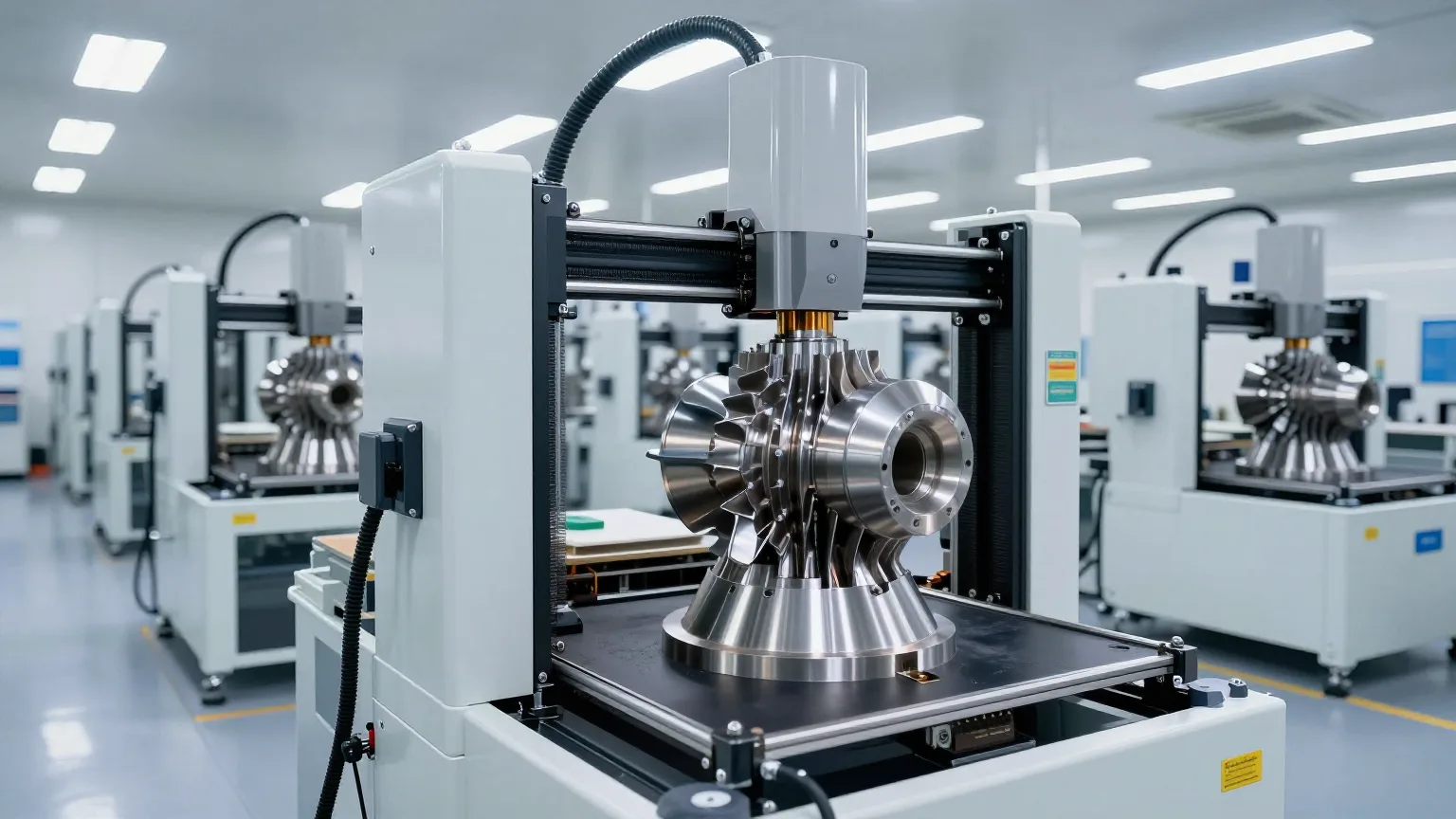
If you want to understand where the money is going in 2026, look at metal. For a long time, plastic 3D printing dominated the conversation because it was cheaper, faster, and more accessible. But the real heavy lifting—literally—is happening in metal. The CONTEXT report specifically highlights Metal Additive Manufacturing as a key driver of the robust growth seen in Q1 [1].
Why is metal AM booming now? It’s because the technology has finally solved the two biggest pain points: speed and post-processing. In the past, printing a metal part was a slow, expensive ordeal that required extensive manual finishing. Today, with advancements in laser powder bed fusion (LPBF) and electron beam melting (EBM), we are seeing print speeds that rival traditional machining for certain geometries. Furthermore, the development of new metal powders and binders has reduced defects, making the parts not just visually appealing, but structurally reliable enough for aerospace, automotive, and medical applications.
This shift is changing the supply chain. Instead of sending a part to a machine shop, waiting three weeks for it to be milled, and then shipping it back, companies are printing critical components in-house. This reduces lead times from weeks to days, and in some cases, hours. That is a massive competitive advantage, and it is driving the hardware sales numbers we are seeing.
Awards Season: Celebrating Innovation at Formnext 2026
While the revenue data tells us how much is growing, the industry awards tell us why it is growing. One of the most significant events in the 3D printing calendar is Formnext, the world’s largest additive manufacturing trade show. In late November 2026, the industry gathered to celebrate the best of the best, and the 2026 Formnext Awards provided a snapshot of where the technology is heading [3].
The winners of the 2026 Formnext Awards were not just about the slickest interface or the fastest print speed. They were about solutions. As reported by 3DPrint.com, the awards recognized innovations that address real-world problems, such as an "unpacking solution" debuted by AM Solutions [3]. This might sound mundane, but in the world of industrial automation, the ability to seamlessly integrate printed parts into a production line without manual intervention is a game-changer. It reduces labor costs, minimizes human error, and speeds up the overall production cycle.
These awards serve as a bellwether for the market. When companies invest time and money into creating solutions that win top industry honors, it signals to investors and enterprise buyers that the technology is ready for prime time. The 2026 winners showcased a maturity that was absent just five years ago. They were not experimental; they were practical, scalable, and profitable.
From Lab to Line: The Industrial Shift
The transition of 3D printing from a prototyping tool to a production tool is the defining trend of 2026. For decades, 3D printing was synonymous with "prototype." You printed a model to test the fit, to show the client, or to test the form. But you never printed the final product because it was too slow or too expensive.
That paradigm has shifted. In Q1 2026, we saw a surge in "print-and-ship" models, where manufacturers print final, end-use parts directly from the machine. This is particularly evident in the medical and dental sectors, where patient-specific implants and prosthetics are now routinely printed on-demand. The ability to customize a product for a specific individual without the cost of tooling is a value proposition that traditional manufacturing simply cannot match.
This shift is also visible in the automotive industry. Companies are no longer just printing concept cars; they are printing functional components like intake manifolds, brackets, and even structural elements. The weight savings and design freedom offered by additive manufacturing are allowing engineers to create parts that are stronger and lighter than their traditionally manufactured counterparts. This is not just about making things faster; it is about making things better.
The Rise of Desktop and Prosumer Power
While the industrial sector is making headlines with multi-million dollar deals, the prosumer and desktop markets are also experiencing a renaissance. The barrier to entry for high-quality 3D printing has never been lower. In 2026, you can buy a printer for less than $500 that produces results that would have been impossible just a few years ago.
This democratization is driving a cultural shift. 3D printing is no longer the exclusive domain of engineers and designers. It is a tool for makers, educators, artists, and hobbyists. This broad base of users is creating a vibrant ecosystem of content, tutorials, and community support. It is also driving innovation from the ground up. Many of the materials and techniques being developed for desktop printers are eventually making their way up to the industrial level, and vice versa.
The "dog orthotics" mentioned in the 3D Printing News Briefs from November 21, 2026, is a perfect example of this [3]. While it may seem like a niche application, it represents the power of personalized manufacturing. A pet owner can now 3D scan their dog’s paw, design a custom orthotic, and print it in their home. This level of customization and speed is a hallmark of the modern 3D printing experience, and it is contributing to the overall growth of the market by keeping the technology top-of-mind for consumers.
Material Science: The Silent Engine of Growth
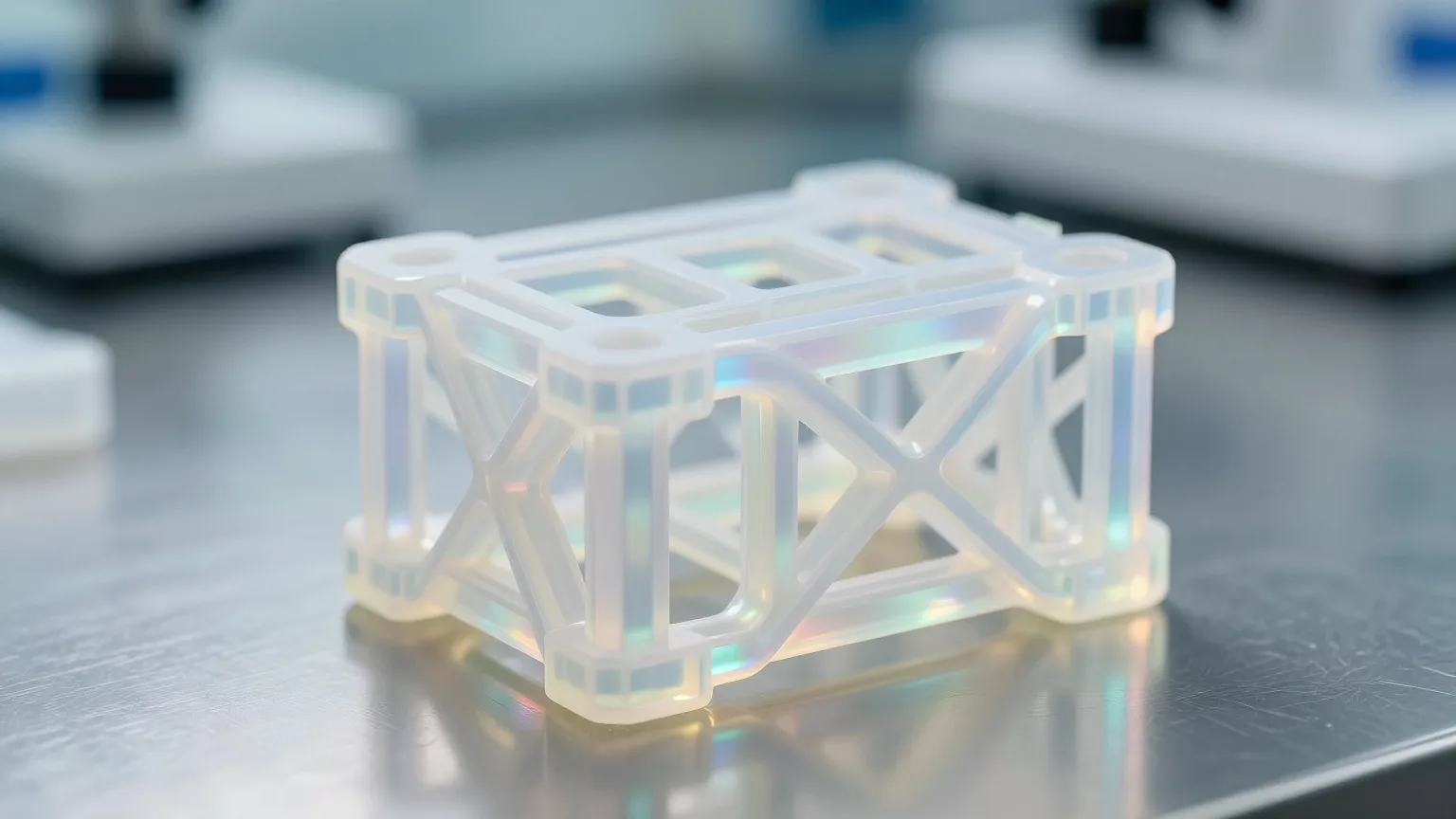
One of the most underappreciated drivers of the 3D printing boom is material science. For years, the limitation of 3D printing was the materials. You could only print with a limited range of plastics, and the metal options were expensive and difficult to source. In 2026, that has changed.
We are seeing a proliferation of new materials that offer specific properties. There are now high-temperature plastics that can withstand extreme conditions, biodegradable materials that are environmentally friendly, and metal alloys that offer specific strength-to-weight ratios. The development of "smart materials" that change properties in response to external stimuli, such as temperature or pressure, is also gaining traction. These materials are opening up new applications for 3D printing that were previously unimaginable.
Furthermore, the cost of materials has decreased significantly. As the market has grown, the economies of scale have kicked in, making high-quality filaments and powders more affordable. This is a crucial factor in the robust growth seen in Q1 2026 [1]. When the cost of input materials drops, the total cost of ownership for 3D printers decreases, making them more attractive to a wider range of businesses.
Sustainability and the Green Advantage
In an era where sustainability is a board-level priority, 3D printing is increasingly being viewed as a green technology. Traditional manufacturing, particularly subtractive methods like milling and turning, generates a significant amount of waste. Up to 90% of the material can be lost as chips and dust. In contrast, additive manufacturing is a "near net shape" process, where material is added only where it is needed. This results in significantly less waste.
Moreover, 3D printing allows for the creation of lightweight parts. In the aerospace and automotive industries, weight is money. Lighter parts mean less fuel consumption, which translates to lower carbon emissions. This is a major selling point for companies looking to meet their sustainability goals. The robust growth in the 3D printing market in Q1 2026 [1] is partly driven by this environmental imperative. Companies are not just adopting 3D printing because it is faster; they are adopting it because it is cleaner.
Additionally, the ability to print on-demand reduces the need for inventory. Traditional manufacturing requires large batches to be produced and stored, which ties up capital and space. With 3D printing, you can print exactly what you need, when you need it. This "just-in-time" production model reduces waste and improves cash flow, making it an attractive option for businesses of all sizes.
Challenges Remain: The Road Ahead
While the news is overwhelmingly positive, it is important to acknowledge the challenges that remain. The 3D printing industry is still maturing, and there are hurdles that need to be overcome. One of the biggest challenges is standardization. There is no universal standard for 3D printing files, materials, or quality control. This makes it difficult for companies to switch between different printers or materials, and it can lead to inconsistencies in part quality.
Another challenge is the shortage of skilled labor. While the technology is becoming more user-friendly, operating and maintaining industrial 3D printers still requires specialized knowledge. There is a growing demand for "3D printing technicians" and "additive manufacturing engineers," but the supply of these professionals is not keeping up with the demand. This is a bottleneck that could slow down the growth of the industry if not addressed.
Furthermore, intellectual property and security are concerns. As 3D printing becomes more widespread, the risk of counterfeiting and piracy increases. Companies need to ensure that their designs are protected, and that the parts being printed are authentic and safe. This is a complex legal and technical challenge that the industry is still working through.
Looking Ahead: The Future of Additive Manufacturing
So, where do we go from here? The outlook for 3D printing in 2027 and beyond is bright. The robust growth seen in Q1 2026 [1] is just the beginning. We expect to see further consolidation in the market, with larger companies acquiring smaller, innovative startups. This will lead to a more integrated ecosystem, where software, hardware, and materials are seamlessly connected.
We will also see the rise of "distributed manufacturing." Instead of having a few massive factories that produce goods and ship them around the world, we will see a network of smaller, local 3D printing hubs that can produce goods on-demand. This will reduce shipping costs, improve lead times, and increase resilience in the supply chain.
In the medical field, we expect to see the widespread adoption of bioprinting, where living tissues and organs are printed using cells and biological materials. This could revolutionize healthcare, eliminating the need for organ transplants and reducing the risk of rejection. While this is still in the early stages, the progress being made is promising.
In the consumer market, we expect to see 3D printing become even more integrated into daily life. Imagine a world where you can print a new phone case, a replacement part for your appliance, or a custom piece of jewelry in your living room. This level of convenience and personalization is not far off.
Conclusion: Join the Movement
The 3D printing market is booming, and the data from Q1 2026 confirms it [1]. We are in a period of rapid growth, driven by technological innovation, material science breakthroughs, and a shift in industrial mindset. The awards at Formnext 2026 [3] celebrate the best of this innovation, and the news from the industry [3] shows that the technology is being applied in creative and practical ways every day.
Whether you are a business owner looking to optimize your supply chain, an engineer looking to push the boundaries of design, or a hobbyist looking to bring your ideas to life, now is the time to get involved. The tools are more powerful than ever, the costs are lower than ever, and the community is more supportive than ever.
Don’t just watch the 3D printing boom from the sidelines. Explore the technology, experiment with new materials, and consider how additive manufacturing can solve problems in your industry. The future is being printed, one layer at a time. What will you print?
Call to Action: If you are interested in learning more about how 3D printing can benefit your business or creative projects, consider attending the next industry event, such as Formnext, or exploring the latest resources from leading industry publications like CONTEXT [1] and 3DPrint.com [3]. The conversation is happening now—join in.