2026 Formnext Winners: Top 3D Printing Awards & New AM Solutions
The Weekend That Redefined Additive Manufacturing
If you think 3D printing is still stuck in the "cool science fair project" phase, you are living in the past. In fact, you might be living in the past of 2025. By November 2026, the narrative has shifted dramatically. The industry has moved from a question of "Can we print it?" to a complex discussion of "How do we scale, sustain, and standardize it?" This shift was on full display this past week, culminating in the prestigious 2026 Formnext Awards and a series of high-profile product debuts that promise to reshape the workflow for engineers, designers, and manufacturers alike [3].
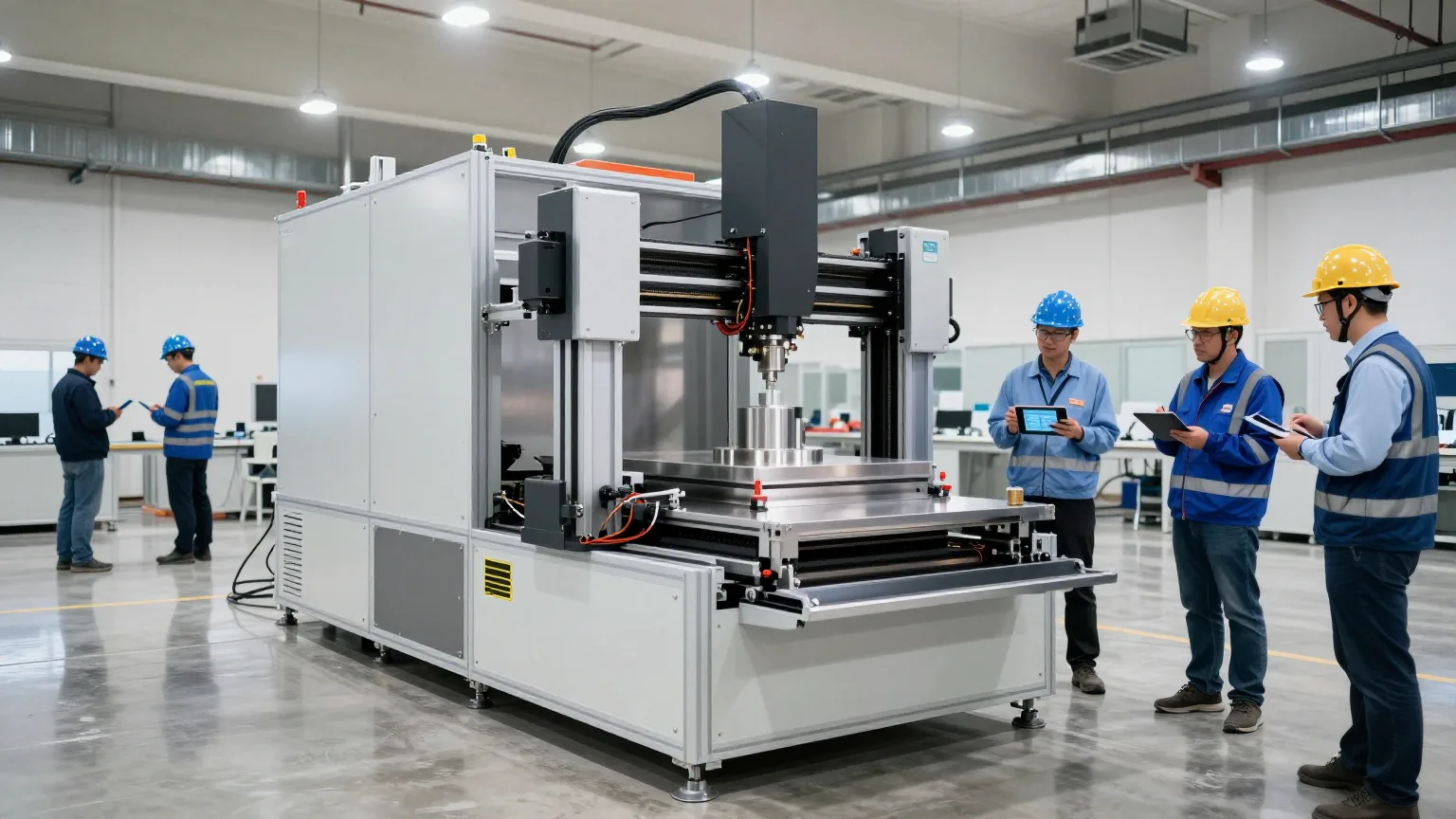
Formnext has long been the "Oscars" of the additive manufacturing world, a trade show that serves as the industry's pulse check. But in 2026, the stakes feel higher. With global 3D printing hardware revenues seeing what analysts are calling "robust growth" in the first quarter of this year, the market is no longer a niche curiosity; it is a critical pillar of modern supply chains [2]. As we unpack the winners and the new solutions debuted at this year’s event, we aren't just looking at shiny new gadgets. We are looking at the blueprint for the next decade of industrial production.
The Context of Growth: Why 2026 is Different
Before we dive into the specifics of the awards, it is crucial to understand the macroeconomic backdrop. According to the latest figures published by CONTEXT, global 3D printing hardware revenues experienced robust growth in the first quarter of 2026 [2]. This is not a slight uptick; it is a signal of maturation. For years, the additive manufacturing (AM) sector was criticized for high costs and limited material options. Today, those barriers are dissolving.
The "robust growth" mentioned in recent reports suggests that adoption has crossed a threshold from early adopters to the majority of mid-sized enterprises and large-scale industrial players [2]. This means the technology is no longer just for prototyping or low-volume, high-complexity parts. It is entering the realm of serial production, where speed, consistency, and cost-efficiency are king. The winners of the 2026 Formnext Awards, therefore, are not just celebrating technical novelty; they are validating solutions that solve real-world scaling problems.
The 2026 Formnext Awards: A Look at the Winners
As reported in the 3D Printing News Briefs for November 21, 2026, the winners of the 2026 Formnext Awards have been announced, setting the tone for the remainder of the year [3]. While specific categories vary from year to year, the overarching theme of this year’s winners appears to be integration. We are seeing fewer standalone machines and more integrated ecosystems. The jury, composed of industry leaders and academic experts, likely prioritized solutions that offer a complete package: hardware, software, and material science working in harmony.
One of the most significant trends in the award categories this year is the emphasis on "post-processing automation." For a long time, the "last mile" of 3D printing—the removal of support structures, sanding, and finishing—was the bottleneck that made AM look uncompetitive compared to traditional manufacturing. The winners this year seem to have tackled this head-on, showcasing systems that can take a part from the build plate to a finished, ready-to-ship state with minimal human intervention. This is a game-changer for labor costs and quality control.
Unpacking the Future: AM Solutions’ New Debut
Perhaps the most buzzed-about new entrant at this year’s Formnext was the debut of an unpacking solution by AM Solutions [3]. In the world of additive manufacturing, "unpacking" refers to the complex process of separating a printed part from its support structures and, in some cases, from other parts in the same build volume. It is a delicate operation. Remove too much, and you risk damaging the part. Remove too little, and the part is unusable. Manual unpacking is tedious, slow, and prone to error. Automated solutions have existed, but they have often been rigid and specific to certain machine types or geometries.
AM Solutions’ new debut, as highlighted in recent news briefs, appears to be a modular, AI-driven system that can adapt to various build geometries [3]. Imagine a robotic arm that scans the build plate, identifies the optimal paths for support removal, and executes the process with precision that a human hand simply cannot match. This isn't just about saving time; it's about saving material. In metal additive manufacturing, where raw material costs are high, reducing waste during the post-processing stage is a significant financial benefit. This solution represents a shift toward "smart" post-processing, where the software knows as much about the part's final shape as the printer does about its creation.
Protolabs and the Shift to Rapid Production
Also making headlines in the November 21 news cycle is Protolabs, a major player in the rapid prototyping and manufacturing space [3]. While the specific details of their latest announcement are being unpacked by the industry, Protolabs’ continued presence at Formnext signals a broader trend: the convergence of prototyping and production. Protolabs has long been known for offering a vast array of manufacturing processes, including 3D printing, under one roof. Their recent moves suggest an aggressive push to offer "end-to-end" solutions where a customer can upload a CAD file and receive a finished part, regardless of whether it was printed, milled, or injection molded.
This "agnostic" approach to manufacturing is powerful. It allows engineers to choose the best process for each part of an assembly, rather than being locked into one technology. For 3D printing, this means it will increasingly be used in hybrid assemblies, where printed components are combined with traditionally manufactured parts. This hybridization is key to the "robust growth" seen in the sector, as it allows AM to complement, rather than compete with, traditional methods [2].
Metal Additive Manufacturing: The Heavy Hitter
While plastic 3D printing (often called FDM or SLA) gets a lot of media attention due to its accessibility, metal additive manufacturing is where the real industrial impact is happening. The CONTEXT report on robust growth in hardware revenues likely includes a significant portion from metal AM systems [2]. These machines are expensive, complex, and capable of producing parts with mechanical properties that rival or exceed those of cast or forged metals.
In 2026, the focus of metal AM is shifting from "can we print a turbine blade?" to "how do we print it consistently every single time?" Quality assurance is the new frontier. Technologies like in-situ monitoring, where sensors inside the build chamber track the laser power, powder bed level, and thermal history in real-time, are becoming standard. This data allows for predictive maintenance and quality control, ensuring that every part meets the stringent requirements of industries like aerospace and medical devices. The 2026 Formnext winners likely included systems that excel in this area of data-driven reliability.
Beyond the Factory: Cultural and Historical Context
To truly appreciate the significance of these developments, we must look at the history of manufacturing. For over a century, manufacturing was defined by subtraction (machining) or deformation (stamping). You started with a block of material and removed what you didn't need. This was efficient for mass production of simple parts, but it was inherently wasteful and limited in complexity. Additive manufacturing flips this paradigm. It is additive; you start with nothing and build up, layer by layer.
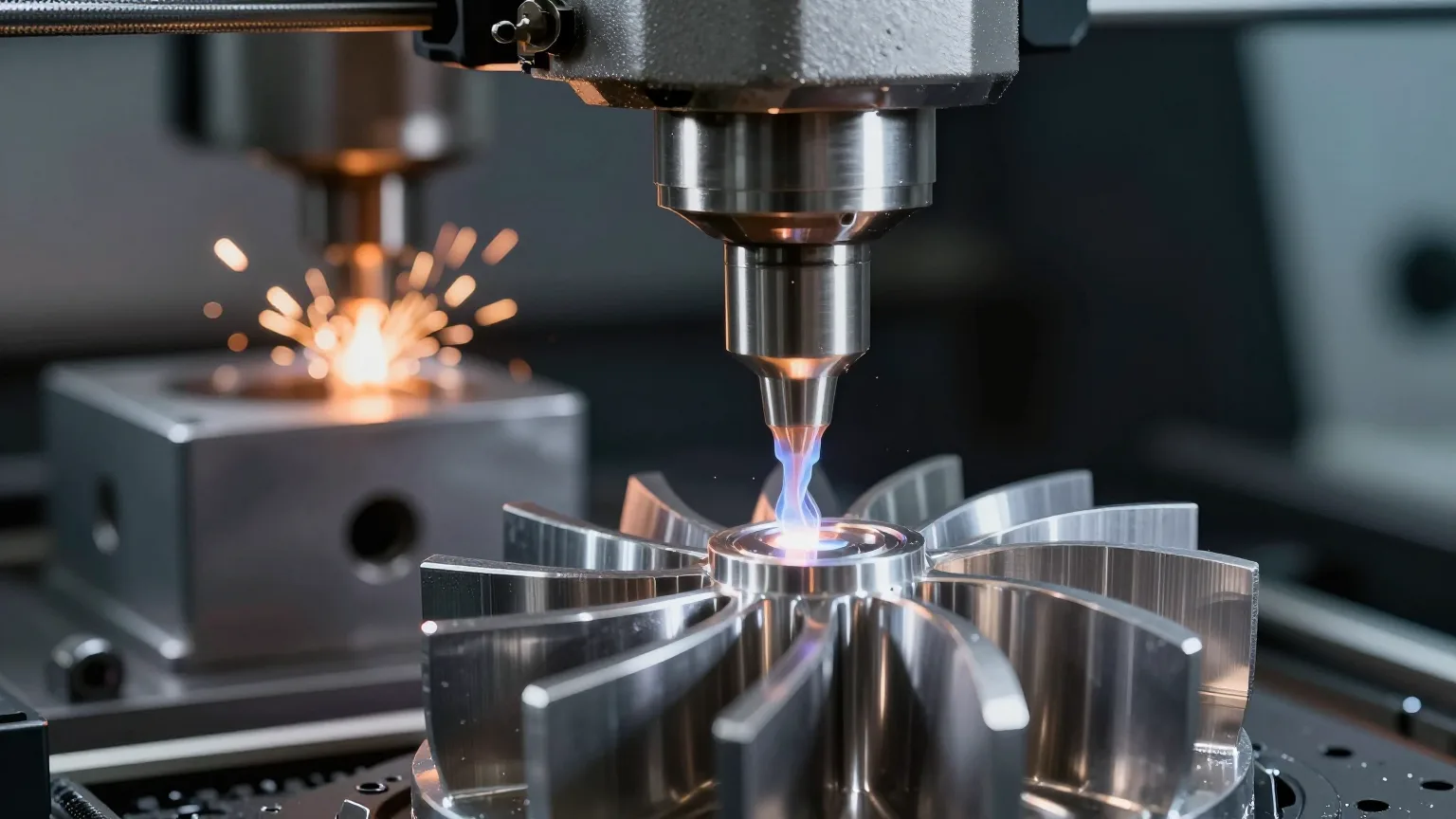
This shift is not just technological; it is cultural. It represents a move toward a "design-first" mentality. In traditional manufacturing, you design a part, then you spend weeks figuring out how to make it. In additive manufacturing, you design the part, and the machine makes it. This lowers the barrier to entry for innovation. A small startup can now design and produce a complex, high-performance component in days, not months. This democratization of manufacturing is one of the most profound changes happening in the industrial world. It is reshaping how we think about product development, supply chains, and even sustainability.
Sustainability: The Green Angle
As the world grapples with climate change, the sustainability of manufacturing processes is under the microscope. Additive manufacturing has a unique advantage here: it is inherently less wasteful. Traditional machining can waste up to 90% of the raw material in some cases. Additive manufacturing uses only the material needed for the part, plus the support structures, which can often be recycled. In metal AM, the unused powder is often reclaimed and reused, further reducing waste.
However, the energy consumption of 3D printers, particularly metal systems, is a concern. The high-power lasers and the need for controlled atmospheres require significant energy. The industry is responding with more efficient machine designs and a push toward renewable energy sources. The "robust growth" in the sector must be balanced with a commitment to reducing the carbon footprint of AM. The 2026 Formnext event likely featured several solutions aimed at improving energy efficiency, from smarter laser control algorithms to more sustainable material formulations. This is not just a marketing point; it is a requirement for future regulatory compliance and corporate social responsibility.
Medical and Orthotic Applications: Humanizing the Technology
While the industrial applications of 3D printing are impressive, some of the most heartwarming stories come from the medical field. In the November 21 news briefs, there was a mention of "Dog Orthotics" [3]. While this might seem like a niche application, it highlights the broader trend of personalized medical devices. 3D printing allows for the creation of custom orthotics, prosthetics, and implants that fit the specific anatomy of the patient (or in this case, the pet).
This personalization is something that traditional manufacturing cannot easily achieve. It is expensive and time-consuming to create a unique mold for every patient. 3D printing eliminates the need for molds. You can scan a patient’s limb, design a custom device in hours, and print it in a day. This speed and customization are life-changing for patients with rare conditions or unique anatomical needs. The medical industry is increasingly turning to AM for surgical guides, dental aligners, and even bioprinting of tissues. This sector is a testament to the human impact of the technology, reminding us that behind the hardware revenues and industrial applications, there are real people (and pets) whose lives are being improved.
The Role of AI and Software in the AM Ecosystem
Hardware is only half the story. The other half is software. In 2026, the most competitive 3D printing companies are not just selling printers; they are selling data platforms. The ability to simulate print processes, predict failures, and optimize part design before the printer even turns on is becoming a standard expectation. This is where AI is making a significant impact. Machine learning algorithms can analyze thousands of previous print jobs to identify patterns that lead to success or failure. They can recommend optimal print parameters, such as laser speed and layer height, to maximize part quality and reduce build times.
Furthermore, generative design, powered by AI, is allowing engineers to create parts that humans would never conceive. By defining the functional requirements and constraints, the AI can generate hundreds of design options, selecting the one that is optimal for additive manufacturing. This synergy between AI and AM is accelerating the innovation cycle, allowing for parts that are lighter, stronger, and more efficient than their traditionally manufactured counterparts. The winners of the 2026 Formnext Awards likely included software solutions that excel in this area, demonstrating the power of data-driven design.
Challenges and Criticisms: The Other Side of the Coin
It would be irresponsible to discuss the 2026 Formnext winners without acknowledging the challenges that still face the industry. Despite the "robust growth," there are hurdles. Standardization remains a major issue. There is no single standard for file formats, material properties, or quality assurance. This makes it difficult for companies to switch between different printer manufacturers or to move production from one site to another. The industry is working on addressing this, with organizations like ASTM International developing standards, but progress is slow.
Additionally, the talent gap is widening. As the technology becomes more complex, the demand for skilled operators and engineers is growing. There is a need for professionals who understand both the physics of material deposition and the software of process control. Universities are beginning to offer specialized programs in additive manufacturing, but the industry needs to invest in training and upskilling its workforce. Without a skilled talent pool, the potential of the technology will remain untapped. The 2026 Formnext event likely featured numerous educational sessions and workshops aimed at addressing this gap, recognizing that technology alone is not enough; people are the key to success.
Looking Ahead: The Road to 2027 and Beyond
As we look beyond the 2026 Formnext Awards, the trajectory of the additive manufacturing industry is clear. The "robust growth" in hardware revenues is just the beginning [2]. We are moving into an era where 3D printing is no longer a special tool but a standard manufacturing process. The integration of AI, the advancement of materials, and the automation of post-processing will continue to drive down costs and increase quality. The winners of this year’s awards are the pioneers of this new era, setting the standards that others will follow.
In the next few years, we can expect to see further convergence between AM and traditional manufacturing. Hybrid machines that combine 3D printing with CNC machining will become more common, allowing for the production of complex parts with high surface finish and tight tolerances in a single setup. We will also see the expansion of AM into new industries, such as construction, where large-scale 3D printing of buildings is becoming a reality. The cultural shift toward design-first manufacturing will continue to accelerate, enabling faster innovation and more sustainable production.
Conclusion: A Call to Action for the Industry
The 2026 Formnext Awards and the new solutions debuted at the event are not just news items; they are a call to action. For businesses, the message is clear: now is the time to integrate additive manufacturing into your core operations. The technology has matured, the costs have come down, and the benefits are tangible. For engineers, the message is to embrace the new tools and workflows that are available. Learn generative design, master the software, and think beyond the limitations of traditional manufacturing.
For the industry as a whole, the challenge is to continue to drive down costs, improve quality, and expand the range of materials available. We must also work to address the sustainability and talent gaps that still exist. The future of manufacturing is additive, and it is here. The 2026 Formnext winners have shown us what is possible. Now, it is up to the rest of us to build on their foundation and create a future where 3D printing is as common and essential as the computer. Let us not just watch this revolution; let us participate in it. The tools are in our hands, the materials are ready, and the future is being printed, one layer at a time.