AI-Driven Design & Low-Waste Multicolor: 2026's Top 3D Innovations
The End of the "Wartime" Era: Why 2026 is the Year 3D Printing Got Serious
If you were holding your breath waiting for 3D printing to stop being a novelty and start being a utility, you can exhale now. For decades, additive manufacturing has existed in a strange limbo. On one hand, we had the promise of infinite customization; on the other, we were stuck with brittle prototypes, slow print times, and a waste problem that looked like a landfill’s worst nightmare. But as we navigate through October 2026, the landscape has shifted dramatically. The "hobbyist phase" is officially over, and the "industrial integration phase" is in full swing.
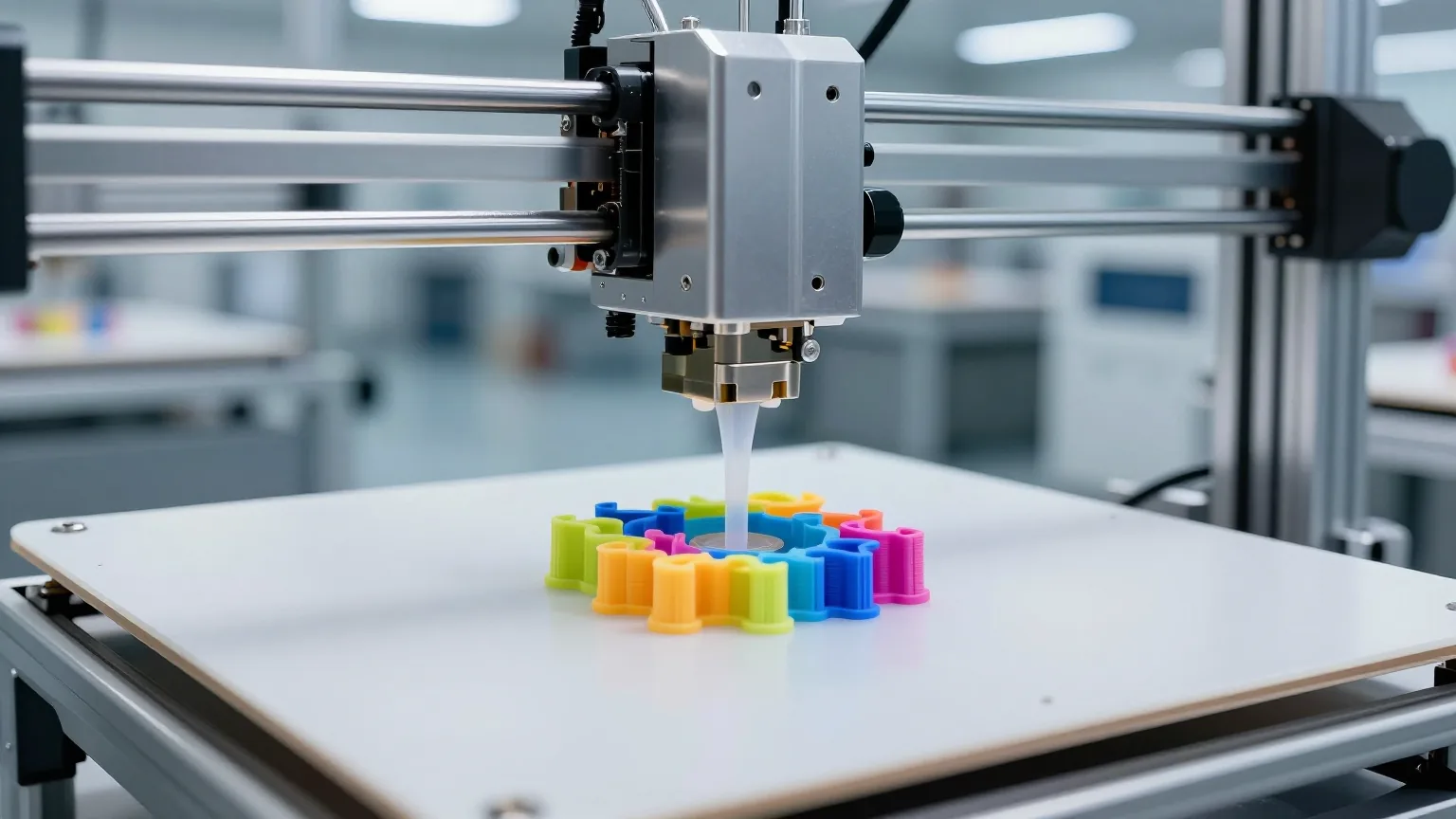
The latest news from the additive manufacturing sector paints a picture of a technology that has matured beyond recognition. We are no longer just talking about faster printers or stronger filaments. We are talking about a fundamental restructuring of how products are designed and how materials are utilized. The two biggest drivers of this shift? AI-driven design and low-waste multicolor printing. These aren't just buzzwords; they are the structural pillars holding up the industry's recent breakthroughs [1].
Let’s dive into what is actually changing, why it matters, and what it means for makers, engineers, and businesses looking to stay relevant in a world that is increasingly built, layer by layer.
From CAD to AID: The Rise of AI-Assisted Design
Historically, the bottleneck in 3D printing wasn't the printer; it was the designer. Creating a complex, topology-optimized part required hours of manual tweaking in CAD software. In 2026, that workflow has been revolutionized by AI-assisted design tools. These systems don't just help you draw lines; they understand physics, material constraints, and manufacturing limitations simultaneously [2].
Imagine describing a bracket that needs to hold 50kg of force while weighing as little as possible. An AI engine can now generate dozens of viable geometries in minutes, optimizing for stress distribution in a way that a human designer might never conceive. This isn't science fiction; it is the standard operating procedure for many mid-to-large enterprises today. The result is parts that are not only lighter and stronger but also significantly faster to produce. The "design phase" has compressed from weeks to hours, creating a feedback loop where iteration is virtually cost-free [2].
The Death of the "Support Nightmare"
Let’s address the elephant in the room: support structures. For years, the most dreaded part of FDM and SLA printing was the spaghetti-like support material that had to be painstakingly removed. It was time-consuming, it often left scars on the final part, and it generated massive amounts of plastic waste. In 2026, AI is solving this problem at the source.
Modern AI slicers and design assistants now predict where supports are strictly necessary and where they can be eliminated through clever orientation and geometry modification. Some advanced systems even generate self-supporting geometries, designing overhangs that are structurally sound without external aid. This reduces post-processing time by up to 40% in some industrial cases, a statistic that has made additive manufacturing far more competitive with traditional injection molding [2].
Multicolor Without the Mess: The Low-Waste Revolution
If AI is the brain of the new 3D printing era, low-waste multicolor technology is its heart. For a long time, multicolor printing was synonymous with waste. Early systems used spools that had to be changed manually, leading to "purge" towers—ugly, multi-colored plastic towers that were discarded every time a color changed. If you printed a complex, multi-colored model, you might throw away more plastic than you actually used in the final object.
The innovations of 2026 have changed this narrative entirely. New hardware and software integrations allow for near-zero-waste color changes. By utilizing advanced purge systems that recycle or minimize the transition material, manufacturers can now produce vibrant, multi-color parts with material efficiency comparable to single-color prints [2]. This is a game-changer for industries like medical devices, where multi-material parts (e.g., rigid housing with soft grip zones) are essential, and for consumer goods, where aesthetics matter as much as function.
Why Waste Matters More Than Ever
You might wonder why we are obsessing over a few grams of plastic. The answer lies in scale and sustainability. As 3D printing moves from prototyping to end-use production, the volume of material used increases exponentially. If every print generated 10% waste, a factory running 24/7 would be producing tons of scrap material daily. This not only drives up costs but also conflicts with the strict environmental regulations and corporate ESG (Environmental, Social, and Governance) goals that dominate business strategy in the 2020s.
Low-waste multicolor printing allows companies to claim a "green" manufacturing process without compromising on design complexity. It aligns the technology with the circular economy principles that are increasingly mandated by governments worldwide. In short, being efficient is no longer just a nice-to-have; it is a regulatory requirement and a marketing advantage [5].
The Hardware Behind the Magic
None of this software innovation would be possible without significant hardware advancements. The 2026 market is seeing a proliferation of printers that are specifically designed to handle high-resolution multicolor and AI-optimized geometries. These machines feature faster extrusion mechanisms, more precise motion control systems, and integrated sensors that monitor print quality in real-time [3].
For example, newer FDM printers feature "smart" nozzles that can detect clogs or material inconsistencies before they ruin a print, automatically adjusting parameters to compensate. SLA (Stereolithography) machines have seen improvements in UV light uniformity, allowing for faster curing times without sacrificing detail. These hardware upgrades work in tandem with AI software to create a seamless production pipeline that is both fast and reliable [3].
Bioprinting: The Next Frontier
While consumer and industrial 3D printing are making headlines, the most profound applications of these technologies are happening in the lab. Bioprinting is moving from the "wow" factor stage to the clinical trial phase. The same AI-driven design principles used for mechanical parts are now being applied to biological tissues. AI algorithms help optimize the density of cells in a printed tissue, ensuring that the vascular network is sufficient to keep the cells alive [3].
Furthermore, low-waste principles are critical in bioprinting. "Waste" in this context means dead cells or failed prints, which are not only a loss of expensive biological material but also a potential ethical concern. New bioprinters utilize multi-material heads that can switch between different cell types and bio-inks with minimal purge, allowing for the creation of complex, multi-tissue organs with unprecedented efficiency [3]. This is where the convergence of AI, hardware, and material science truly shines.
Historical Context: From Holography to Hardware
To appreciate how far we’ve come, it’s worth looking back. When Chuck Hull invented stereolithography in the 1980s, the goal was simple: to create a prototype quickly. The technology was seen as a tool for engineers, not a mass production method. For decades, the industry struggled with the "valley of death"—the gap between a working prototype and a scalable, cost-effective production process [4].
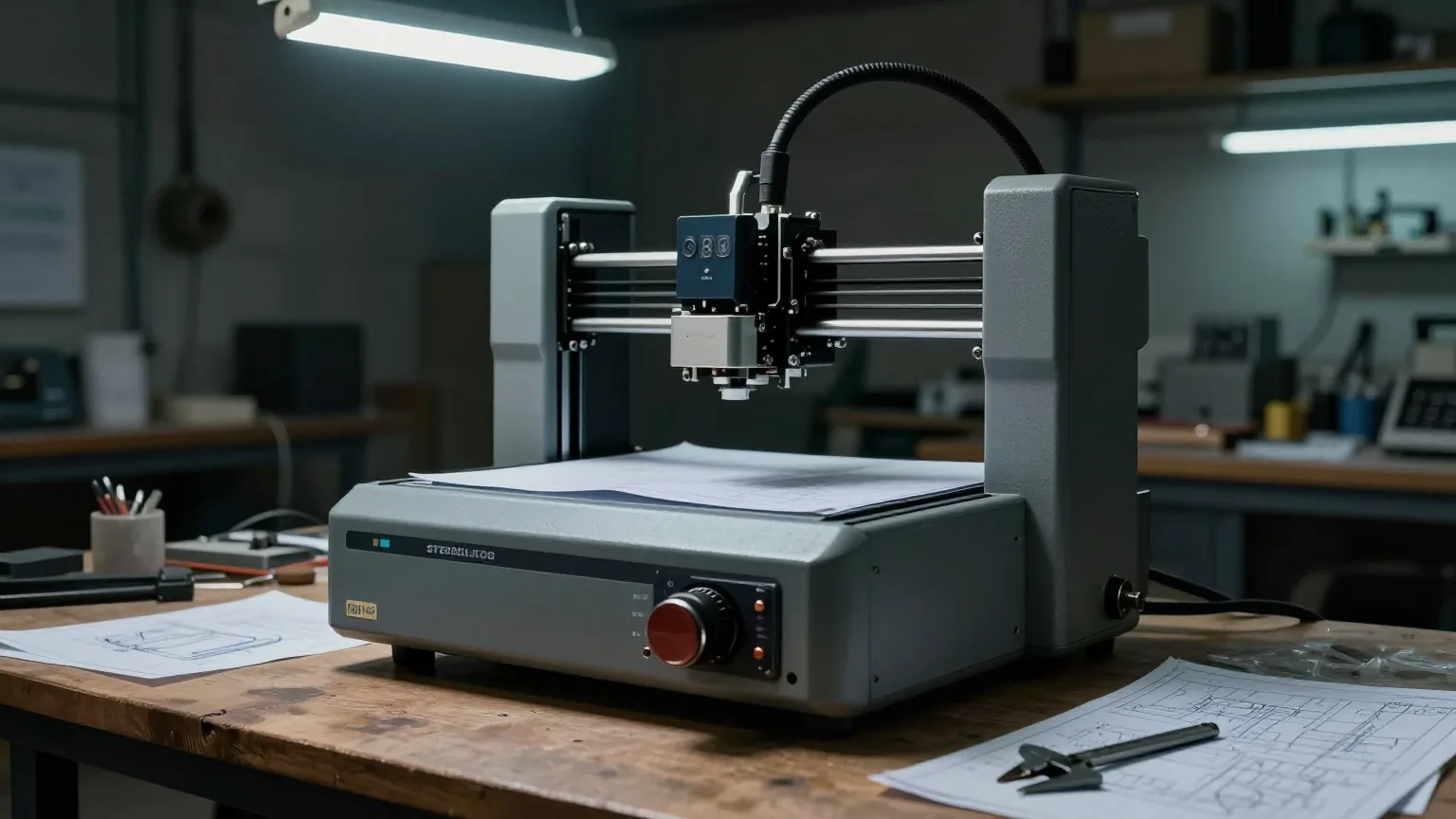
The 2026 era marks the crossing of this valley. The integration of AI and waste-reduction technologies has made additive manufacturing not just faster, but economically viable for larger production runs. We are seeing a shift from "printing when you can't mold" to "printing when it’s better to print." This philosophical shift is as important as the technological one. It changes the mindset of designers and manufacturers, encouraging them to think in terms of additive possibilities rather than subtractive limitations [4].
Case Study: The Automotive Industry
One of the clearest examples of these innovations in action is in the automotive sector. Major OEMs are using AI-driven design to create lightweight, custom-fit components for electric vehicles. EVs have different weight distribution requirements than gas-powered cars, and 3D printing allows for the creation of complex, integrated parts that reduce the number of assembly steps. For instance, a battery housing that is printed with multiple materials (rigid outer shell, thermal-conductive inner lining) can be produced in one go, with minimal waste, thanks to the new multicolor/multi-material capabilities [5].
These parts are not just prototypes; they are end-use components. The cost savings from reduced assembly time and material efficiency are substantial. Moreover, the ability to customize parts for specific vehicle models or even specific drivers (e.g., custom seat supports) is a value proposition that traditional manufacturing simply cannot match at scale [5].
Case Study: Medical Implants
In the medical field, the precision of AI-assisted design is saving lives. Orthopedic implants are now being designed using AI algorithms that analyze a patient’s CT scans to create a perfect fit for their bone structure. This reduces the risk of rejection and improves the longevity of the implant. The printing process itself is highly optimized, with low-waste techniques ensuring that the expensive titanium or biocompatible polymers are used with maximum efficiency [3].
Furthermore, the ability to print porous structures with specific pore sizes allows for better bone integration. AI helps determine the optimal pore size and distribution, a task that would be incredibly difficult to achieve manually. This level of customization and efficiency is transforming personalized medicine, making high-quality, tailored implants accessible to a wider range of patients [3].
The Role of Community and Open Source
It’s easy to focus on the big corporations and high-tech labs, but the community of makers and open-source developers plays a crucial role in driving these innovations forward. Online forums, GitHub repositories, and maker spaces are where many of the AI tools and low-waste techniques are first tested and refined. The democratization of 3D printing means that a hobbyist in a garage can access the same AI design tools as a Fortune 500 company, albeit with different hardware [1].
This community-driven approach fosters rapid innovation. When a new technique for reducing waste is discovered, it spreads quickly through online communities, leading to widespread adoption. The "maker movement" continues to be a vital engine for progress, ensuring that 3D printing remains accessible and adaptable to a wide range of needs and budgets [1].
Challenges and Limitations
It would be disingenuous to paint an entirely rosy picture. There are still challenges to overcome. AI models require large amounts of data to train, and in some niche applications, this data may not yet exist. There is also a learning curve for designers who are used to traditional CAD workflows. Not everyone is ready to hand over control to an AI, and there is a valid concern about losing the "human touch" in design [2].
Additionally, while low-waste multicolor printing is improving, it is not yet perfect. Some complex color transitions can still result in minor artifacts, and the hardware required to support these advanced features is often more expensive than standard printers. For small businesses and hobbyists, the cost barrier remains a significant hurdle. However, the trend is clearly moving toward affordability and accessibility, with new mid-range printers entering the market that offer many of these advanced features [2].
The Future: What’s Coming in 2027 and Beyond?
Looking ahead, the integration of AI and low-waste technologies will only deepen. We can expect to see AI systems that not only design parts but also predict and prevent print failures before they happen. Imagine a printer that analyzes the material batch, the environmental conditions, and the design file to automatically adjust all parameters for the optimal print. This level of autonomy will make 3D printing even more reliable and user-friendly [4].
We will also see further advancements in materials. New bioplastics, recycled filaments, and high-performance composites will be developed specifically to work with AI-optimized designs and low-waste processes. The goal will be to create a closed-loop system where waste from one print is recycled and used in the next, minimizing the environmental footprint of the entire process [5].
Moreover, the convergence of 3D printing with other technologies like robotics and IoT will create new possibilities. Imagine a factory where robots handle the material loading and unloading, while AI manages the print queue and quality control. This fully automated, low-waste production line will be the standard for high-volume additive manufacturing in the near future [4].
Conclusion: Embracing the Change
The 3D printing industry in 2026 is no longer a distant promise; it is a present reality. AI-driven design and low-waste multicolor printing are not just incremental improvements; they are transformative shifts that are redefining what is possible with additive manufacturing. They are making 3D printing faster, cheaper, more sustainable, and more accessible than ever before.
For makers, engineers, and businesses, the message is clear: the time to adapt is now. Waiting for the technology to mature further is a luxury that can no longer be afforded. The tools are available, the knowledge is shared, and the benefits are tangible. Whether you are printing a single prototype or a million end-use parts, embracing these innovations will give you a competitive edge in an increasingly complex world.
So, what’s your next move? Are you ready to let AI help you design smarter? Are you prepared to cut your waste and boost your bottom line with low-waste multicolor printing? The future of 3D printing is here, and it is waiting for you to take the first layer. Dive in, experiment, and share what you learn. The community is watching, and the industry is moving fast. Don’t get left behind.
For more daily updates on the latest breakthroughs in FDM, SLA, SLS, and bioprinting, keep an eye on the latest news feeds. The next innovation is just a print away [3].