2026: The Top 3D Printing Trends You Can't Ignore
It’s October 2026, and if you think 3D printing is still just about printing out a slightly warped action figure in your garage, you are living in the past. The additive manufacturing landscape has shifted beneath our feet with a speed that makes the early 2020s look like the dawn of the industrial revolution. We are no longer in the "proof of concept" phase. We are in the "proof of performance" phase, and the gap between the two is wider than ever.
Over the last few years, the industry has matured from a novelty for hobbyists into a critical infrastructure for global supply chains, healthcare, and aerospace. As we navigate the second half of 2026, the conversation has moved away from what we can print to how we integrate printing into the daily fabric of manufacturing. The experts at Design News and 3Dnatives have been tracking these shifts closely, noting a distinct pivot toward sustainability, material science, and industrial automation [1][2]. This isn't just a trend; it's a transformation. Let’s dive into the technologies and shifts that are defining this moment, and why ignoring them could leave your business—or your personal workflow—behind.
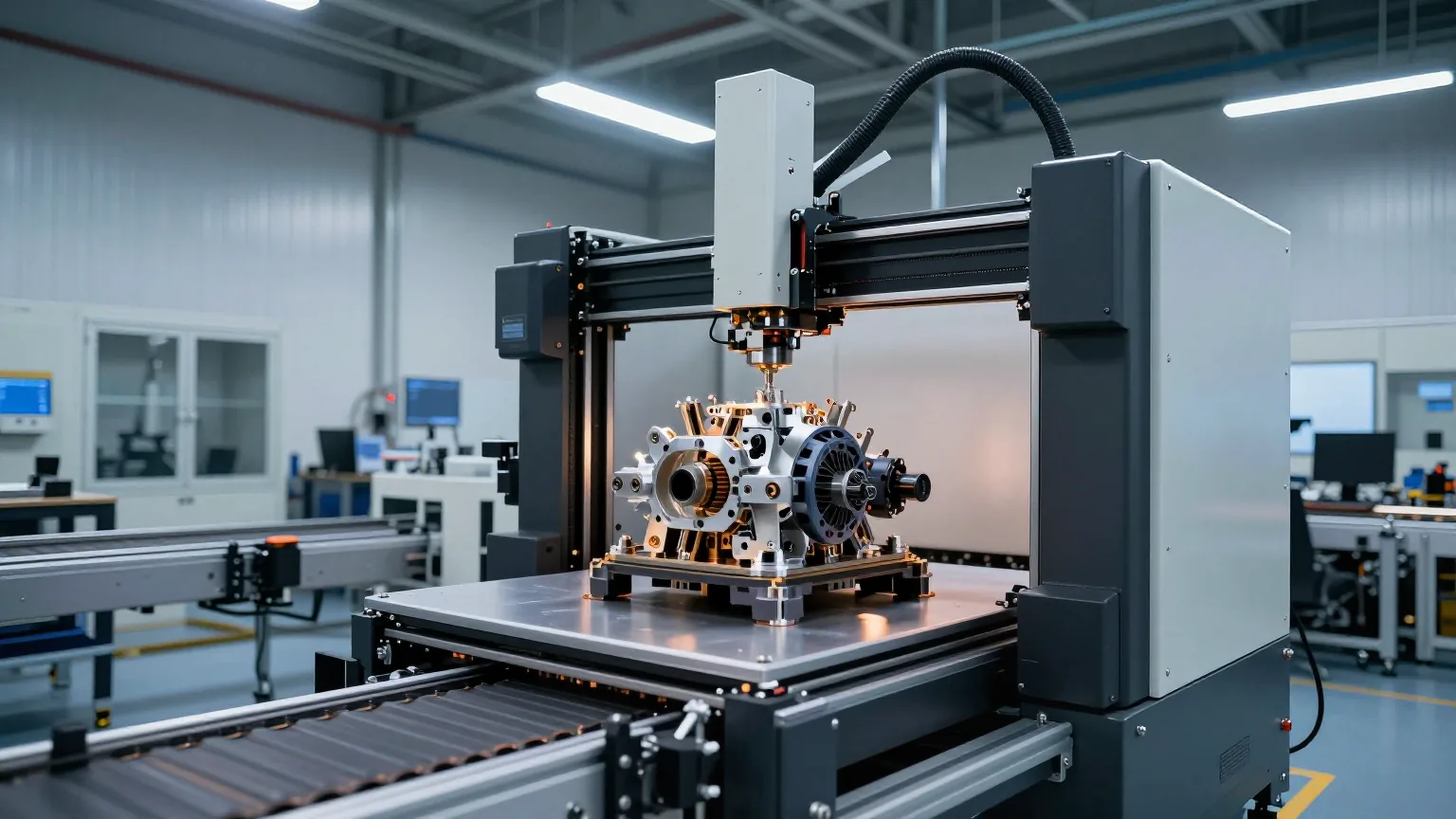
The Death of the "Toy" Stereotype
Historically, the biggest hurdle for 3D printing was perception. It was seen as slow, brittle, and expensive. In 2026, that narrative is effectively dead. The industry has successfully shed its "hacker space" label and embraced a serious industrial identity. This shift is driven by a convergence of hardware reliability and software maturity. According to recent reports from 3dprinting.com, the focus has shifted heavily toward press releases and research papers that highlight commercial viability rather than just technical novelty [3].
This isn't just about big companies; it's about the entire ecosystem. The "maker" community and the "enterprise" community have merged. The same underlying technologies that allow a startup to prototype a medical device overnight are now being used by Fortune 500 companies to produce end-use parts at scale. The line between prototyping and production has blurred, if not disappeared entirely. When we look at the latest news cycles, we see less talk about "breaking barriers" and more talk about "scaling operations." This is a crucial cultural shift. 3D printing is no longer the exception to the manufacturing rule; it is increasingly becoming the rule for complex geometries.
Material Science: Beyond the Plastic Norm
If you only know PLA and ABS, you are missing out on the most exciting frontier of 2026. The material landscape has exploded. While desktop FDM (Fused Deposition Modeling) still relies heavily on thermoplastics, the industrial sector has moved deep into composites, metals, and even biological materials. 3D Printing Daily has been covering the breakthroughs in metal printing and bioprinting, highlighting how these sectors are moving from labs to factories [4].
Consider the rise of continuous fiber composites. In 2020, printing a part with carbon fiber reinforcement was a challenge that required specialized, expensive equipment. In 2026, mid-range industrial printers can handle carbon fiber, aramid, and glass fiber composites with ease. This means that 3D printed parts can now compete with, and often outperform, traditionally machined aluminum or steel in specific applications. The specific gravity of these parts is lower, their strength-to-weight ratio is higher, and they can be printed in complex, single-piece geometries that would require dozens of welded or bolted components in traditional manufacturing.
Beyond composites, we are seeing a surge in "smart materials." These are materials that change properties in response to external stimuli. Imagine a 3D printed drone wing that stiffens when it hits turbulence, or a medical implant that releases medication over a controlled period. All3DP has noted that breakthroughs in the production space are increasingly focused on these functional materials, not just structural ones [5]. This is where the magic happens. We are moving from printing shapes to printing functions.
The Rise of Generative Design and AI Integration
Here is where the "wisdom" of the industry comes into play. As 3Dprint.com synthesized in their recent outlook, the key thing to watch in 2026 is the synthesis of human expertise and artificial intelligence [6]. Generative design is no longer a futuristic concept; it is a daily tool for engineers. But in 2026, AI has taken it a step further.
Generative design algorithms take a set of constraints—load, weight, cost, material—and generate hundreds of possible part designs. In the past, an engineer would have to sift through these manually. Now, AI models trained on thousands of successful 3D printing jobs can predict which designs will fail during the printing process due to warping, delamination, or thermal stress. This "predictive printing" is a game-changer. It reduces trial-and-error, saving time and material. It also allows for designs that are structurally efficient in ways that human intuition would never conceive. These parts often look like alien geometry—organic, lattice-like structures that are incredibly strong yet lightweight.
This trend is particularly impactful in aerospace and automotive sectors, where weight reduction is critical. A 3D printed bracket that is 30% lighter than its machined counterpart isn't just a novelty; it translates to fuel savings and increased payload capacity. The integration of AI doesn't replace the engineer; it augments their ability to explore the design space. It turns the engineer into a curator of possibilities rather than a creator of them. This shift in workflow is one of the most significant operational changes in manufacturing history.
Bioprinting: From Lab to Clinic
While industrial printing gets the headlines for its economic impact, bioprinting is making waves for its humanitarian potential. In 2026, we are seeing the first approved clinical trials for bioprinted tissues. This isn't science fiction; it's a reality being tracked by major news outlets like 3Dnatives, which frequently feature stories on the intersection of additive manufacturing and healthcare [2].
The breakthrough in 2026 is not just about printing skin or cartilage, but about printing vascularized tissues. For years, the lack of a blood supply was the limiting factor for bioprinted organs. If you print a liver, it dies without blood flow. Recent advances in "bio-inks" and multi-material printing have allowed researchers to print intricate vascular networks alongside the organ tissue. This means that the tissues can survive and function.
Imagine a future where a patient doesn't wait years for a kidney transplant, but instead has a kidney grown from their own cells, printed to fit their specific anatomy, and transplanted within days. While we are not quite there for full organ replacement, the technology is already being used for skin grafts, bone repair, and drug testing. This is a cultural shift as profound as it is technical. We are moving from a model of "treating symptoms" to "regenerating function." The ethical and regulatory frameworks are still catching up, but the technology is leading the way.
Sustainability: The Green Print Revolution
You cannot talk about 2026 trends without talking about sustainability. The pressure to reduce carbon footprints is no longer optional; it is a regulatory and market requirement. 3D printing, once criticized for being energy-intensive, is now being positioned as a key solution for sustainable manufacturing. Design News has highlighted expert commentary on how additive manufacturing is reducing waste and supply chain emissions [1].
Traditional manufacturing is subtractive. You start with a block of metal and cut away 90% of it to get the part you want. 3D printing is additive. You build the part layer by layer, using only the material you need. This results in significantly less waste. But it goes deeper than that. 3D printing allows for localized manufacturing. Instead of shipping heavy parts across the globe, you can ship the digital file and print the part locally. This reduces transportation emissions dramatically.
Furthermore, the materials are becoming more sustainable. We are seeing the rise of recycled filaments and bio-based plastics. Companies are now offering PLA made from agricultural waste or recycled PET bottles. In the industrial sector, there is a push for "closed-loop" recycling, where failed prints or off-cuts are shredded, re-pelletized, and printed again. This circular economy model is becoming a standard expectation for industrial customers. The "green" argument for 3D printing is no longer a side note; it is a primary driver for adoption in sectors like automotive and consumer goods.
Desktop Democratization: The Prosumer Boom
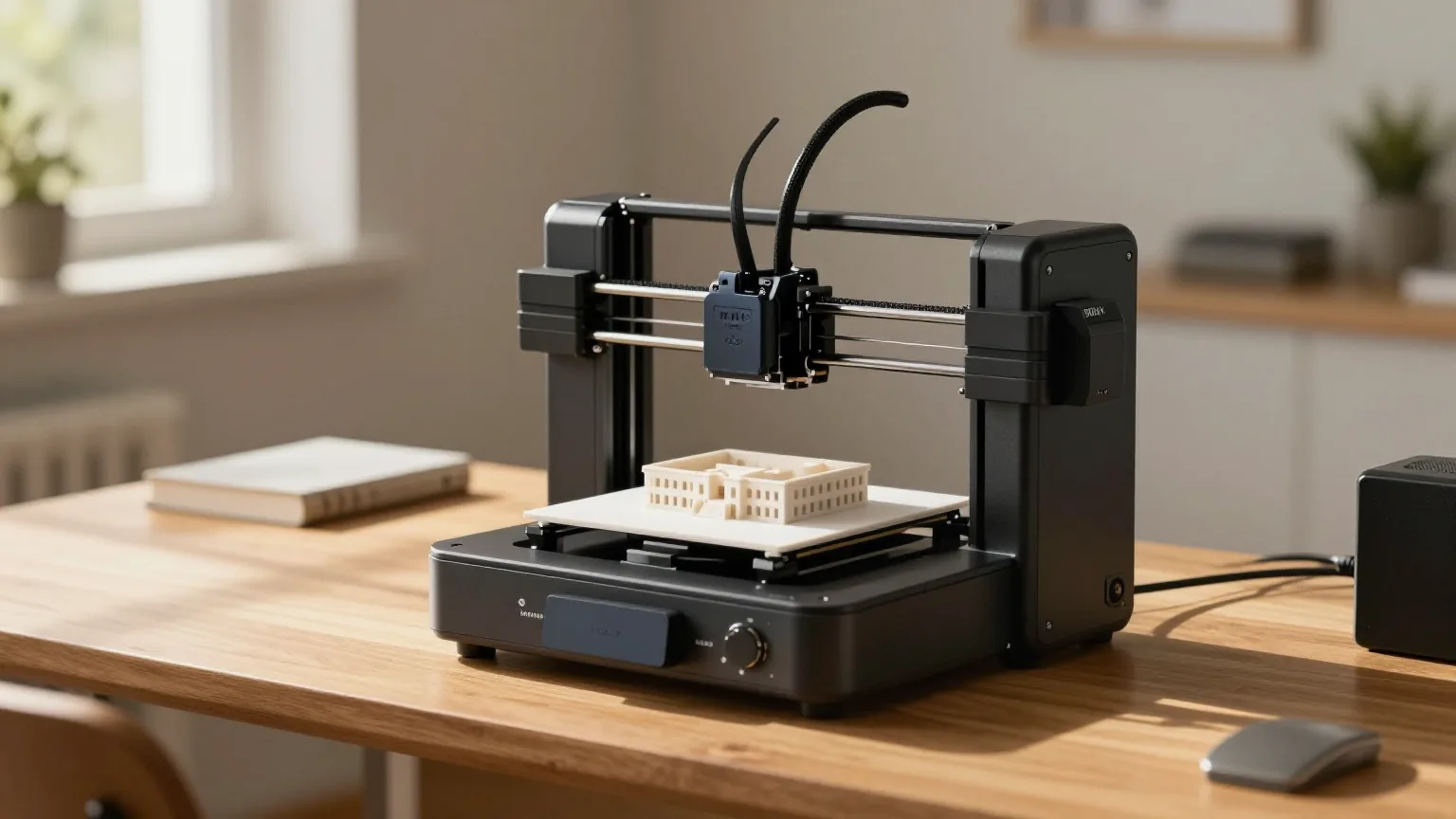
While the industrial sector gets the headlines, the desktop market is experiencing a quiet revolution. The "prosumer" segment—professional users who are not quite industrial, but not casual hobbyists—is booming. These are engineers, architects, and designers who need high-quality, fast, and reliable prints for their daily work. 3D Printing Daily has covered the breakthroughs in FDM, SLA, and SLS technologies that are making high-end capabilities accessible at consumer price points [4].
Two main technologies are driving this: High-Speed FDM and Desktop SLA. High-Speed FDM printers, once the domain of expensive industrial machines, are now available for under $1,000. They use enclosed environments, heated beds, and advanced motion control to print at speeds that were unimaginable five years ago. This means that a designer can print a functional prototype in an hour, not a day.
Desktop SLA (Stereolithography) is also improving. Resin printers are becoming faster, more reliable, and easier to use. The quality of detail is now high enough for jewelry, dental applications, and high-fidelity models. This democratization is creating a new class of "maker-engineers." These are individuals who have the skills of a professional engineer but the resources of a hobbyist. They are pushing the boundaries of what is possible with desktop technology, often developing new materials and techniques that are later adopted by the industrial sector. This feedback loop between the desktop and industrial markets is accelerating innovation across the board.
Multi-Material and Multi-Color Printing
For a long time, 3D printing was limited to single-material prints. You could print a part in white, but you couldn't print it in red and blue. Or you could print a part in plastic, but you couldn't print a part in plastic and metal. In 2026, multi-material printing is becoming the norm, not the exception. All3DP has noted that breakthroughs in the production space are increasingly focused on multi-material capabilities [5].
This is achieved through several methods. One is the use of multi-nozzle printers, which can switch between different filaments. Another is the use of "multi-material" resins, which can be mixed and cured to create parts with varying properties. The most advanced systems use a single nozzle that can deposit different materials in the same layer. This allows for parts with gradient properties, where one end is flexible and the other is rigid. Or parts with integrated sensors, where the structural material is printed alongside a conductive material.
The applications are vast. In consumer electronics, this allows for the printing of devices with integrated circuits. In automotive, it allows for the printing of parts with different stiffnesses in different areas. In healthcare, it allows for the printing of implants with varying biocompatibility. The ability to print multi-material parts in a single job is a massive leap forward. It eliminates the need for assembly, reduces part count, and increases reliability. It is one of the most underappreciated trends in 2026, but it is rapidly becoming a standard requirement for industrial users.
Standardization and Interoperability
A major bottleneck for 3D printing in the past has been the lack of standardization. Every printer had its own file format, its own software, and its own quirks. This made it difficult to move designs from one printer to another, or from one factory to another. In 2026, this is changing. The industry is moving toward open standards and interoperability. 3Dnatives has reported on the efforts to standardize file formats and process parameters [2].
The adoption of standards like 3MF (3D Manufacturing Format) is widespread. This format supports metadata, multi-material, and multi-color information, making it a robust container for 3D printing data. But it’s going beyond just file formats. There are now efforts to standardize process parameters. This means that a "print profile" for a specific material and printer can be shared and reused across different machines. This is a huge step toward automation and scalability.
Interoperability is also key for the software side. CAD models are now being designed with 3D printing in mind from the start. This is known as "Design for Additive Manufacturing" (DfAM). DfAM guidelines are being integrated into CAD software, allowing engineers to check their designs for printability in real-time. This reduces the need for manual adjustments and post-processing. The result is a smoother workflow, from design to production. This standardization is essential for the widespread adoption of 3D printing in regulated industries like aerospace and medical, where consistency and reproducibility are critical.
The Workforce Shift: From Operators to Engineers
As the technology becomes more automated, the role of the 3D printing operator is changing. In the past, operators were responsible for loading filaments, monitoring prints, and removing parts. In 2026, these tasks are largely automated. The operator is now more of a "process engineer." They are responsible for optimizing print settings, troubleshooting issues, and ensuring quality control. 3D Printing Daily has noted that the industry is seeing a shift in the skills required for 3D printing jobs [4].
This shift is creating a new demand for skills. Companies are looking for engineers who understand both traditional manufacturing and additive manufacturing. They are looking for data scientists who can analyze print data and optimize processes. They are looking for material scientists who can develop new bio-inks and composites. This is a positive trend, as it creates high-skill, high-paying jobs. It also means that the barrier to entry for 3D printing is rising. It’s no longer enough to know how to load a filament; you need to understand the physics of the process.
Education is also catching up. Universities are offering degrees in additive manufacturing. Vocational schools are training technicians in 3D printing operations. This pipeline of skilled workers is essential for the continued growth of the industry. Without it, we would have a technology that is too complex for most companies to use effectively. The workforce shift is a crucial part of the 2026 landscape, and it is one that is often overlooked in favor of the hardware and software discussions.
Conclusion: The Next Decade is Now
As we look at the trends shaping 3026, one thing is clear: 3D printing is no longer a niche technology. It is a foundational pillar of modern manufacturing. The integration of AI, the advancement of material science, the push for sustainability, and the democratization of desktop technology are all converging to create a new paradigm. This is not a future we are waiting for; it is a present we are living in.
The question is no longer whether 3D printing will change the world, but how quickly you will adapt to it. Whether you are an engineer, a business owner, or a hobbyist, the tools are available now. The knowledge is accessible. The barriers are lower than ever before. The time to experiment, to learn, and to integrate 3D printing into your workflow is now. Don’t wait for the next big announcement. The revolution is happening in your garage, in your lab, and in your factory floor. Embrace it.
Call to Action: If you haven’t explored the latest 3D printing technologies in 2026, now is the time. Start by identifying a pain point in your current manufacturing or design process. Then, research the specific 3D printing technology that can solve it. Connect with the community. Read the latest news from sources like Design News, 3Dnatives, and 3D Printing Daily [1][2][3]. Experiment with new materials. Learn about generative design. The future of manufacturing is additive, and it’s waiting for you to join in.